How to Organize Your Living Room for Maximum Space invites you to embark on a journey of transformation, where every square foot is cherished and utilized effectively. A well-organized living room not only enhances aesthetic appeal but also fosters a welcoming environment, making it the heart of your home. This guide provides insightful strategies and practical tips to help you create a functional and inviting living room, ensuring you make the most of your available space.
From understanding the layout and traffic flow to selecting multi-functional furniture and optimizing vertical space, every aspect is covered to help you declutter and design a room that reflects your personal style while maximizing functionality.
Assessing Your Living Room Space
Assessing your living room space is the first crucial step towards achieving an organized and efficient layout. Understanding the dimensions, layout, and traffic flow of your living area can significantly impact the functionality and aesthetic appeal of your home.Identifying the dimensions and layout of your living room is essential in creating a harmonious environment. Taking precise measurements allows for better planning regarding furniture placement and overall design.
It is advisable to measure the length and width of the room, as well as the height of the walls. Additionally, note the locations of doors, windows, and any architectural features such as built-in shelves or fireplaces, as these elements can influence furniture arrangement.
Understanding Traffic Flow
Recognizing traffic flow within your living room is vital for ensuring a comfortable and functional space. Traffic flow refers to how people move through the room and interact with the furniture and decor. A well-thought-out flow can prevent congestion and promote an inviting atmosphere.To assess traffic flow effectively, consider the following guidelines:
- Identify the primary entrance points to the living room and the pathways people are likely to take.
- Ensure that furniture placement does not obstruct these pathways, allowing for easy movement.
- Create designated conversation areas that encourage interaction without compromising accessibility.
Recognizing Underutilized Areas
Identifying underutilized areas within your living room can lead to more efficient use of space. Often, there are neglected corners or awkward nooks that can be transformed into functional spots.Consider evaluating these aspects to uncover potential areas:
- Inspect corners that are not currently serving a purpose; adding a small bookshelf or plant can enhance the space.
- Look for vertical space, such as walls, where shelving units or hanging decor can be introduced.
- Assess the potential for multi-functional furniture, such as ottomans with storage or coffee tables that can double as workspaces.
“An organized living room reflects your lifestyle and enhances your overall well-being.”
By systematically assessing your living room space, including the dimensions, traffic flow, and underutilized areas, you can create a more inviting and functional environment that meets your needs.
Decluttering Techniques
Decluttering is a crucial step in creating an organized and maximized living space. It involves not only removing unnecessary items but also establishing an efficient system for what remains. By employing effective decluttering techniques, you can transform your living room into a more functional and aesthetically pleasing area.Sorting items by category is an effective way to approach decluttering. This method allows you to see similar items together, which can aid in making decisions about what to keep, donate, or discard.
Categories may include books, electronics, decorative items, furniture, and personal belongings.
Methods for Sorting Items by Category
Utilizing specific categories when sorting can streamline the decluttering process. Start by designating a space where you can sort your items. Each category should have a designated area for sorting. The following categories are often helpful:
- Books: Gather all books from shelves, tables, and other areas. Decide on the ones you frequently read or cherish.
- Electronics: Collect all gadgets and cords. Assess their functionality and whether they are still used.
- Decorative Items: Remove all decor pieces. Evaluate if they add value to your space or if they are simply taking up space.
- Furniture: Consider whether your furniture serves its intended purpose or if it has become more of a hindrance in the layout.
- Personal Belongings: Sort through personal items such as clothing, bags, and shoes. This is often the most challenging category but can yield significant space.
Deciding What to Keep, Donate, or Discard
Once items are sorted into categories, the next step involves a thoughtful evaluation of what to keep, donate, or discard. This process can be streamlined by following some established criteria:
“Keep only those items that spark joy or serve a practical purpose in your life.”
When evaluating items, consider the following questions:
- Usage: Have you used this item in the past year? If not, it may be time to let it go.
- Sentimental Value: Does this item hold significant emotional value? If it is merely sentimental, assess if it deserves space in your living room.
- Condition: Is the item damaged or worn? Items that are beyond repair may need to be discarded.
After this assessment, items that are in good condition can be set aside for donation, while those that are no longer usable can be discarded responsibly.
Checklist for Decluttering the Living Room
To facilitate a successful decluttering process, it is beneficial to have a checklist. This provides structure and ensures that no area is overlooked. The following checklist Artikels practical steps to follow:
- Gather sorting boxes or bags for keeping, donating, and discarding.
- Set a timer for focused decluttering sessions to maintain momentum.
- Clear out furniture and accessories that obstruct movement.
- Evaluate and sort through miscellaneous items like magazines, remote controls, and miscellaneous knick-knacks.
- Organize the kept items back into their designated spaces efficiently.
By implementing these decluttering techniques, you will not only reclaim valuable space in your living room but also create an environment that promotes relaxation and functionality.
Furniture Arrangement Strategies

Arranging furniture effectively can greatly enhance the functionality and aesthetic appeal of your living room. A well-planned layout not only maximizes the available space but also creates a welcoming environment conducive to relaxation and social gatherings. Understanding various furniture arrangement strategies allows you to utilize your living space to its fullest potential while ensuring comfort and style.
Designing a Layout for Maximum Space and Functionality
The arrangement of furniture in your living room plays a crucial role in both its appearance and functionality. A thoughtful layout can facilitate movement, enhance the flow of conversation, and optimize the use of space. Consider the following key strategies when designing your layout:
- Define Purpose Zones: Identify areas for specific activities such as lounging, entertainment, and reading. For instance, use a sofa and chairs to create a conversation area, while a media console can anchor the entertainment zone.
- Leave Room for Movement: Ensure that pathways between furniture pieces are clear and wide enough for comfortable movement. Aim for at least 18 inches of space between chairs and coffee tables.
- Anchor with Rugs: Use area rugs to define different sections of the living room visually. A large rug can unify a seating area, creating an inviting space.
The Impact of Furniture Scale on the Living Room’s Appearance
The scale of furniture is vital in determining the overall look and feel of the living room. Oversized furniture can overwhelm a small space, while too-small pieces can make a large room feel empty. Achieving balance is essential for a harmonious design.
“Selecting furniture that complements the dimensions of your living room can significantly enhance its visual appeal and comfort.”
When choosing furniture, consider the following aspects related to scale:
- Proportions: Furniture should be proportionate to the room size. For instance, a large sectional sofa is more suitable for a spacious living room than for a tiny apartment.
- Height Variation: Mixing furniture heights can create visual interest. Incorporate low-profile sofas with tall bookcases or decorative lamps to add depth to the room.
- Visual Weight: Select furniture with varying visual weights. A chunky coffee table can be balanced with slim chairs, preventing a cluttered appearance.
Examples of Different Furniture Arrangements for Various Room Sizes
Different room sizes require tailored furniture arrangements to maximize both space and functionality. Here are a few examples illustrating how to achieve effective layouts in various living room dimensions:
- Small Living Rooms: Opt for a compact sofa with a pair of accent chairs or poufs that can be easily moved. Consider wall-mounted shelves for storage without occupying floor space.
- Medium Living Rooms: A traditional setup might include a sofa facing a focal point such as a fireplace or television, accompanied by side chairs and a coffee table in the center. Ensure an open flow to maintain accessibility.
- Large Living Rooms: Divide the space into multiple zones. Create a conversation area with a sectional sofa and armchairs, and designate a separate nook with a reading chair and floor lamp for quiet activities.
Multi-Functional Furniture Solutions

In today’s fast-paced world, maximizing space in our living rooms is essential for creating a comfortable and functional environment. Multi-functional furniture solutions are an excellent way to achieve this goal, as they offer versatility and efficiency. By incorporating furniture that serves multiple purposes, homeowners can enhance their living space while minimizing clutter and disorganization.A variety of furniture pieces are designed to serve more than one function, providing both utility and style.
Utilizing such furniture not only saves space but can also add an element of sophistication to your living room. Here are some key types of multi-functional furniture solutions that can transform your living room:
Types of Multi-Functional Furniture
The following furniture pieces are particularly effective in maximizing space while meeting various needs:
- Ottomans: Ottomans can serve as footrests, extra seating, or even a coffee table. Many ottomans come with hidden storage compartments, which can be used to stow away blankets, books, or games, providing a tidy solution for living room clutter.
- Coffee Tables: Coffee tables that double as storage units or feature lift-top designs can be immensely beneficial. They can house magazines, remote controls, or even serve as a casual dining space when needed.
- Sofa Beds: Perfect for accommodating guests, sofa beds allow for seamless transitions between seating and sleeping arrangements. They are an excellent choice for smaller living rooms where dedicated sleeping space is limited.
Each of these furniture types highlights the importance of adaptability in living spaces. Implementing multi-functional furniture enables homeowners to maximize their living area without sacrificing style or comfort.
Innovative Storage Ideas within Furniture
Incorporating storage within furniture pieces can significantly streamline the organization of your living room. Here are some innovative ideas for integrating storage seamlessly:
- Storage Benches: These versatile seating solutions can be placed against walls or at the foot of a sofa, providing both seating and a space to store items such as shoes, toys, or seasonal decor.
- Bookshelves with Drawers: Combining open shelving with drawers allows for the display of decorative items while providing concealed storage for miscellaneous objects, creating a clean and organized look.
- Convertible Furniture: Furniture that can easily change form, such as a coffee table that transforms into a dining table, can maximize function without occupying additional space.
Implementing these innovative storage ideas will not only enhance the functionality of your living room but will also contribute to a more aesthetically pleasing environment. By selecting the right multi-functional furniture, you can create a space that is both stylish and practical.
Utilizing Vertical Space
Maximizing vertical space is essential for enhancing the functionality and aesthetic of your living room. By strategically using your walls, you can create additional storage, display areas, and visual interest without consuming precious floor space. This approach not only optimizes your living area but also contributes to a more organized and inviting environment.
Effective Use of Wall-Mounted Shelves and Cabinets
Incorporating wall-mounted shelves and cabinets is a practical solution for utilizing vertical space while maintaining a clean and uncluttered look. These installations allow for the display of decorative items, books, and other essentials, all while freeing up floor space. To maximize the effectiveness of wall-mounted options, consider the following points:
- Select Appropriate Heights: Install shelves at varying heights to create visual interest and accommodate different items. For example, place frequently used items lower for easy access, while decorative pieces can be positioned higher.
- Consider Weight Capacity: Ensure that the wall-mounted shelves are properly anchored and capable of holding the weight of the items you intend to display. Heavy items should be stored on sturdier shelves or cabinets.
- Utilize Corner Spaces: Take advantage of corner areas with corner shelves or cabinets to maximize storage potential without intruding on the central floor space.
- Group Items Strategically: When arranging items on shelves, group them by color, size, or theme to create a cohesive look. Use decorative boxes or baskets to conceal smaller items, maintaining a tidy appearance.
Importance of Hanging Art and Decor at Eye Level
The placement of art and decor can significantly impact the overall ambiance of your living room. Hanging artwork and decorative pieces at eye level not only draws attention but also enhances the room’s aesthetic appeal. When arranging art, consider the following recommendations:
- Standard Eye Level: The general guideline for optimal height is to hang artwork so that the center of the piece is approximately 57 to 60 inches from the floor. This height allows for comfortable viewing from seated or standing positions.
- Create a Gallery Wall: Use a wall to showcase a collection of artwork or photos. Arranging them in a cohesive manner, such as in a grid or salon-style, can create a stunning focal point in the room.
- Vary Framing Styles: Mixing different frame styles can add character and interest to your gallery wall. Choose frames that complement the overall decor style of the living room.
- Incorporate Decorative Shelves: Install floating shelves to display smaller art pieces, plants, or decorative objects at eye level, enhancing the room’s texture and depth.
Maximizing Storage with Tall Furniture
Tall furniture pieces are invaluable in small living rooms as they provide ample storage without occupying significant floor space. By selecting tall bookcases, cabinets, or storage units, you can leverage vertical dimensions for enhanced organization.Consider these strategies for effective use of tall furniture:
- Opt for Open Shelving: Open tall shelves can display attractive items while providing storage for less visually appealing items, blending utility with style.
- Choose Multi-Functional Pieces: Look for tall furniture that serves dual purposes, such as a cabinet that provides both storage and a display area for decorative items.
- Utilize Baskets or Boxes: Use stylish baskets or storage boxes on higher shelves to keep smaller items organized and easily accessible yet visually appealing.
- Layered Lighting: Incorporate lighting elements such as wall sconces or LED strips on tall furniture to highlight your displayed items and create a warm atmosphere.
Color and Lighting Considerations
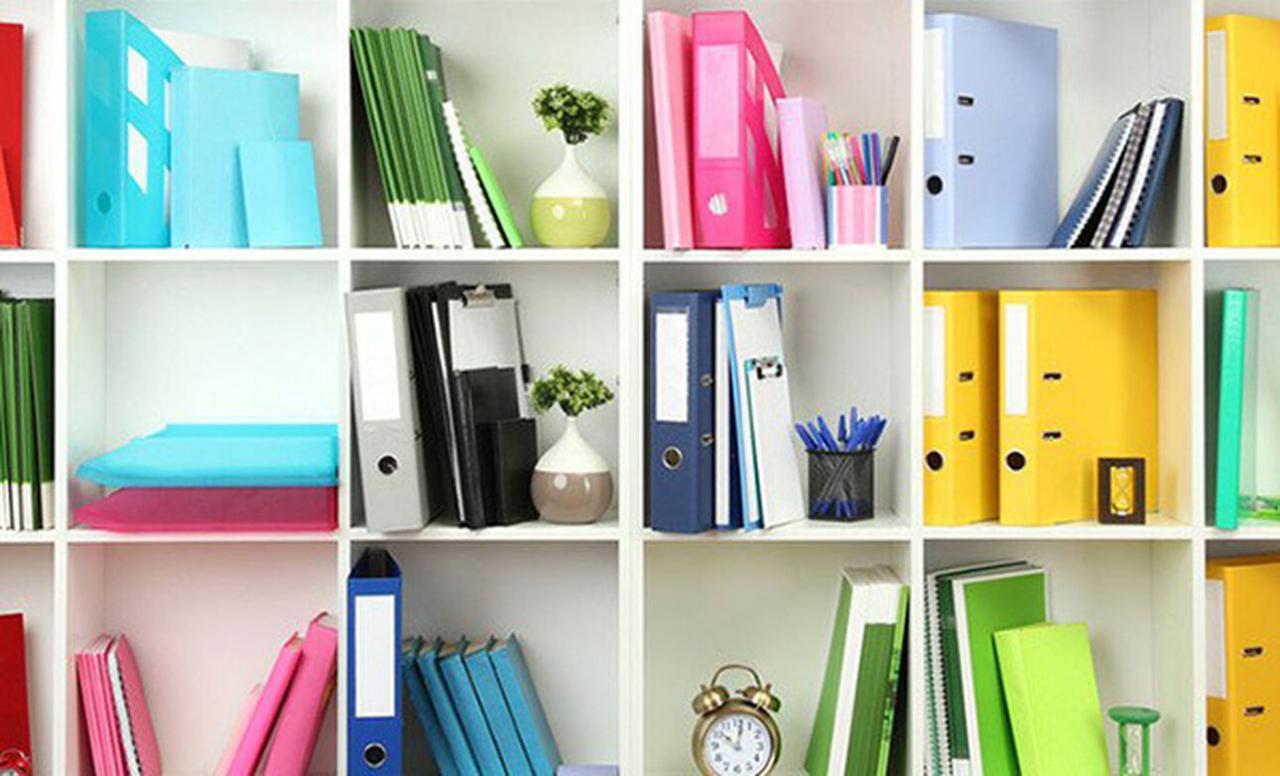
The selection of colors and lighting in your living room plays a critical role in establishing an inviting atmosphere and optimizing the perception of space. Thoughtful choices can make a room feel larger, more open, and more comfortable, while poor selections can create a cramped and unwelcoming environment. Understanding how these elements interact can elevate your living area, making it a true reflection of your style and functionality needs.Color choices significantly influence how space is perceived.
Light and neutral tones tend to reflect more light, making a room feel airy and expansive. Conversely, darker hues can absorb light and give the impression of a smaller area. When selecting colors for your living room, consider the following:
Color Selection for Space Illusion
Implementing a strategic color palette can help enhance the dimensions of your living room. Here are key considerations for achieving an open feel:
- Use Light Colors: Soft whites, pale grays, and gentle pastels can make walls appear to recede, creating a sense of depth.
- Accent Walls: A single wall painted in a bold color can add character without overwhelming the space, especially when the other walls are light.
- Ceiling Colors: Painting the ceiling a lighter shade than the walls can draw the eye upward, enhancing the feeling of height.
- Monochromatic Schemes: Utilizing varying shades of a single color can create a cohesive look that feels spacious and organized.
Lighting is equally essential in shaping the perception of space. Choosing the right lighting can enhance the dimensions of the room and set the desired mood. Effective lighting strategies include:
Lighting Selection for Enhancing Room Dimensions
Selecting appropriate lighting is crucial for enhancing the spatial experience in your living room. Here are some tips for achieving the desired effect:
- Natural Light: Maximizing natural light through window treatments can significantly brighten the room and create a feeling of openness.
- Layered Lighting: Incorporating multiple light sources, such as ambient, task, and accent lighting, offers flexibility in adjusting the atmosphere.
- Use of Mirrors: Strategically placing mirrors can reflect light and create an illusion of larger space, while also enhancing brightness.
- Lighting Fixtures: Choose fixtures that are visually light and airy. Pendant lights or wall sconces can free up floor space and avoid crowding the room.
Layering light sources is essential for creating a versatile ambiance in your living room. By utilizing different types of lighting, you can establish various moods and functions within the same space.
Layering Light Sources for Versatile Ambiance
Creating a well-lit living room involves layering various light sources to achieve functional and aesthetic balance. Here are effective strategies for accomplishing this:
- Ambient Lighting: This serves as the foundation for overall illumination, typically provided by ceiling fixtures or recessed lights.
- Task Lighting: Incorporate lamps and focused lighting for specific activities such as reading or working, which adds functionality to the space.
- Accent Lighting: Use spotlights or decorative lamps to highlight artwork or architectural features, adding interest and depth to your living room.
- Smart Lighting Solutions: Consider smart bulbs or dimmers that allow you to adjust brightness levels according to the time of day or occasion.
Incorporating these color and lighting strategies can transform your living room into a more spacious and inviting area, catering not only to aesthetic preferences but also to the practical needs of daily living.
Personalizing Your Space
Creating a personalized living room is essential for making the space feel like home. Integrating personal items can enhance the atmosphere, reflect your personality, and provide comfort. However, it is crucial to incorporate these elements thoughtfully to maintain a clutter-free environment. Striking a balance between aesthetic appeal and functionality is vital in achieving a harmonious design that serves your needs.
Incorporating Personal Items
To effectively incorporate personal items without cluttering the space, consider the following strategies. These techniques allow you to showcase your personality while keeping the area organized and visually appealing.
- Select Meaningful Items: Choose items that hold sentimental value or represent your interests, such as framed photographs, travel souvenirs, or artwork. Limit these items to a few focal pieces to prevent overcrowding.
- Create Display Zones: Designate specific areas for personal items, such as shelves, mantels, or coffee tables. This organization helps create visual interest while ensuring items are easily accessible and displayed attractively.
- Use Decorative Storage: Incorporate decorative boxes or baskets to store smaller personal items. This approach not only keeps your living room tidy but also adds additional texture and color to your decor.
Balancing Aesthetic and Functionality
In decor, a balance between aesthetic appeal and functionality is essential for a cohesive living space. This balance ensures that your living room is both visually pleasing and practical for everyday use.
- Prioritize Essential Furniture: Select furniture that serves multiple purposes, such as a coffee table with storage or an ottoman that doubles as seating. This reduces clutter while enhancing functionality.
- Mindful Color Coordination: Choose a color palette that reflects your style while ensuring harmony throughout the room. Neutral backgrounds with pops of color in textiles or accessories can create an inviting atmosphere without overwhelming the senses.
- Strategic Layering: Layer textures and materials to create depth while maintaining functionality. For instance, a soft area rug can provide comfort, while throw pillows add color and coziness.
Creating a Cohesive Design Theme
Achieving a cohesive design theme requires attention to detail and a consistent approach throughout the room. Implementing the following techniques can help unify different elements in your living space.
- Establish a Central Theme: Define a design theme, whether it be modern, rustic, or eclectic. Use this theme as a guideline for selecting colors, materials, and decor items to ensure coherence.
- Maintain Consistent Patterns: Utilize similar patterns across textiles and decor items, such as curtains, cushions, and artwork. This repetition creates visual continuity and reinforces the chosen theme.
- Incorporate Unifying Elements: Use common materials or colors in different areas of the room, such as wood accents, metal finishes, or shades of a specific color. This approach ties the design elements together and fosters a sense of unity.
“A well-personalized living room reflects individuality while providing a functional space for relaxation and gathering.”
Maintenance for a Clutter-Free Living Room
Maintaining a clutter-free living room is essential for creating a serene environment that reflects your style and enhances the functionality of your space. A systematic approach to upkeep ensures that your living area remains organized, inviting, and enjoyable for both residents and guests alike. Regular maintenance not only preserves the aesthetic appeal but also significantly contributes to a more relaxed and stress-free lifestyle.Regular upkeep hinges on establishing a routine that addresses the necessities of space management and organization.
It is important to regularly assess how the space is being utilized, identifying areas that may require reorganization or decluttering. Such assessments help in adapting the living room to evolving needs while preventing accumulation of unnecessary items.
Routine Checklist for Upkeep
Implementing a checklist for regular maintenance can significantly streamline the process of keeping your living room clutter-free. The following checklist Artikels essential tasks to incorporate into your routine:
- Daily:
- Clear surfaces such as coffee tables, side tables, and shelves of any clutter.
- Return items to their designated places after use to maintain order.
- Weekly:
- Dust and wipe down furniture and surfaces to keep them clean.
- Vacuum or sweep floors to remove dirt and debris.
- Assess decorative items and remove any that no longer fit your aesthetic.
- Monthly:
- Review and reorganize books, magazines, and other media.
- Check storage areas for items that can be donated or discarded.
- Seasonally:
- Conduct a thorough assessment of the entire living room space.
- Engage in deep cleaning, including carpets and upholstery.
- Re-evaluate functionality and aesthetic appeal, making adjustments as necessary.
Importance of Regular Assessments
Conducting regular assessments of your living room space is vital for maintaining an organized environment. These evaluations help in understanding how the space is being used and highlight areas that may need improvement. By identifying what items are frequently used and which are seldom touched, residents can make informed decisions regarding storage solutions and furniture arrangement. This proactive approach minimizes the risk of clutter accumulation and enhances the overall functionality of the space.
Schedule for Seasonal Decluttering and Reorganization
Establishing a schedule for seasonal decluttering and reorganization promotes a fresh start and encourages mindfulness about possessions. Here is a suggested timeline to guide you through the process:
- Winter:
- Focus on clearing out holiday decorations and items that are no longer used.
- Assess any winter clothing or accessories stored in the living room.
- Spring:
- Embrace spring cleaning by deep cleaning the room and refreshing decor.
- Evaluate furniture placement to optimize space for warmer months.
- Summer:
- Review summer decor and remove items that are too heavy or clutter the space.
- Consider swapping out heavier fabrics for lighter materials.
- Fall:
- Prepare for the upcoming winter by assessing comfort items like blankets and cushions.
- Declutter any items that did not serve their purpose over the summer.
“Regular maintenance transforms a living room from simply a space to a sanctuary.”
Outcome Summary

In conclusion, organizing your living room for maximum space is an exciting opportunity to redefine your living area into a harmonious blend of comfort and practicality. By implementing the strategies discussed, you can maintain a clutter-free environment that not only looks great but also supports your lifestyle. Remember, a well-organized living room is not just about aesthetics; it’s about creating a space where you can relax, entertain, and truly feel at home.