How to Minimize and Organize Kids’ Toys is a crucial topic for parents seeking to create a harmonious play environment for their children. An organized toy space not only enhances creativity and playtime but also reduces the stress of managing clutter. By implementing effective strategies and solutions, parents can transform toy chaos into a streamlined system that is both functional and visually appealing.
Understanding the importance of organization, along with practical methods to minimize excess toys, can lead to a more enjoyable parenting experience. From engaging children in the decluttering process to utilizing innovative storage solutions, this guide will provide valuable insights and actionable steps to help families maintain an organized and inviting play space.
Importance of Organizing Kids’ Toys
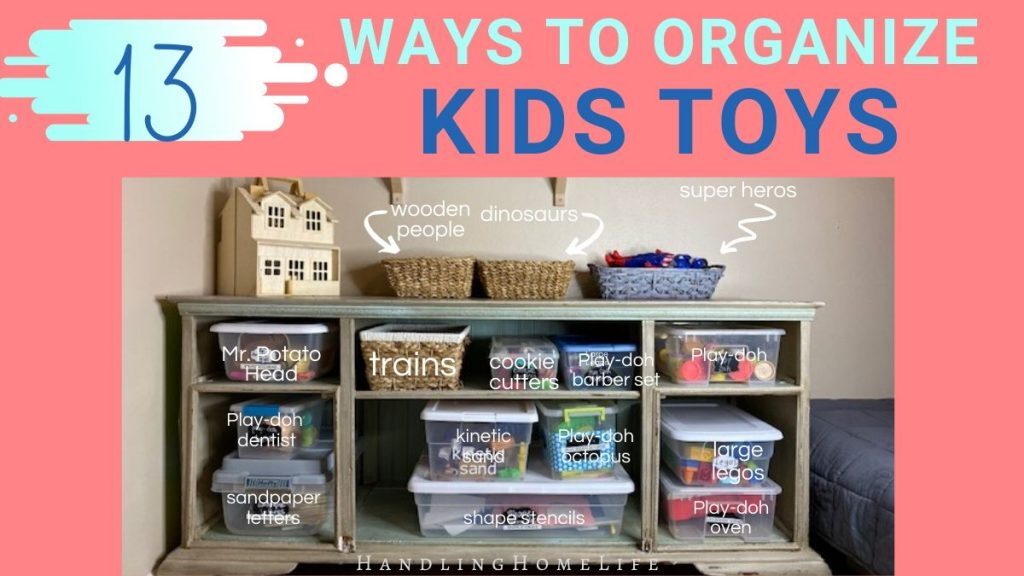
An organized toy space plays a crucial role in enhancing both the functionality and enjoyment of children’s play areas. By creating an orderly environment, parents can significantly improve their children’s play experience, fostering creativity and independence. Moreover, a well-maintained space reduces stress for both children and parents, making playtime more enjoyable and educational.The benefits of an organized toy space extend beyond visual appeal.
When children can easily access their toys, they demonstrate increased focus and creativity during playtime. An organized environment encourages children to explore their imaginations, as they can quickly locate the items they need to embark on various adventures. For instance, when building with blocks or engaging in role-play, having toys neatly arranged allows children to transition seamlessly between activities, maintaining their interest and enthusiasm.
Challenges of Toy Clutter
Parents often face several common challenges when it comes to managing the clutter associated with children’s toys. Understanding these obstacles can help develop effective solutions to minimize chaos and promote organization.One significant challenge is the sheer volume of toys that accumulate over time. Birthdays, holidays, and special occasions often lead to an influx of new toys, which can quickly overwhelm available storage spaces.
Additionally, children can develop strong attachments to their belongings, making it difficult for parents to encourage purging of unused items.Another challenge is the diverse nature of toys, which often includes various shapes, sizes, and materials. This diversity complicates the organization process, as parents need to find suitable storage solutions that accommodate different types of toys. For example, small action figures may require distinct storage compared to larger plush toys, making categorization essential.Moreover, children’s play habits can change rapidly, leading to a scenario where toys that were once popular are now neglected.
This constant shift in preferences can create piles of unused toys, contributing to clutter and making it challenging for parents to maintain organization.In summary, the importance of organizing kids’ toys lies not only in aesthetic appeal but also in fostering a conducive environment for creativity, play, and learning. Recognizing the common challenges associated with toy clutter empowers parents to create and maintain an organized play space that benefits both children and the entire family.
Strategies for Minimizing Toy Clutter
Minimizing toy clutter is essential for creating a more organized and peaceful home environment. By implementing effective strategies, parents can significantly reduce the number of toys in their living spaces and encourage children to take part in maintaining an organized play area. This section will explore various methods to declutter, the advantages of a toy rotation system, and tips for involving children in the decluttering process.
Effective Methods to Reduce the Number of Toys
To effectively minimize toy clutter, consider the following strategies that can be easily integrated into your household routine. These methods not only promote organization but also encourage mindful consumption among children.
- Conduct Regular Toy Audits: Set a schedule for regular assessments of toys, perhaps every six months. During these audits, evaluate which toys are being used frequently and which are merely collecting dust.
- Implement the One In, One Out Rule: For every new toy that comes into the house, ensure that one old toy is donated or discarded. This helps maintain a balanced number of toys.
- Choose Quality Over Quantity: Focus on purchasing fewer, high-quality toys that offer greater educational value and longevity rather than numerous inexpensive items.
- Establish a Donation Box: Keep a designated box for toys that are no longer needed. When the box is full, donate the contents to local charities or shelters.
Benefits of a Toy Rotation System
A toy rotation system can significantly reduce clutter while keeping children’s interest alive in their toys. This method involves organizing toys into different sets and rotating them periodically. The benefits of this approach include:
- Reduced Overwhelm: By limiting the number of toys available at any given time, children can focus on the toys they have, resulting in more engaged play.
- Encouraged Imagination: Rotating toys can spark renewed interest, enabling children to rediscover toys they may have forgotten.
- Easier Cleanup: With fewer toys out at once, cleanup becomes a more manageable task, teaching children responsibility and organization skills.
Involving Children in the Decluttering Process
Involving children in the decluttering process is crucial for teaching them valuable life skills and fostering a sense of responsibility. Here are some effective strategies for engagement:
- Make It a Fun Activity: Turn the decluttering process into a game. Set a timer and challenge your children to sort toys within a specific timeframe.
- Empower Decision Making: Allow children to choose which toys to keep or donate. This helps them feel a sense of ownership over their belongings.
- Use Visual Tools: Create charts or checklists that visually track the progress of decluttering. This can motivate children to participate actively.
- Discuss the Value of Giving: Teach children about the importance of sharing and giving to those in need, instilling values of empathy and generosity as they choose toys to donate.
Creative Storage Solutions
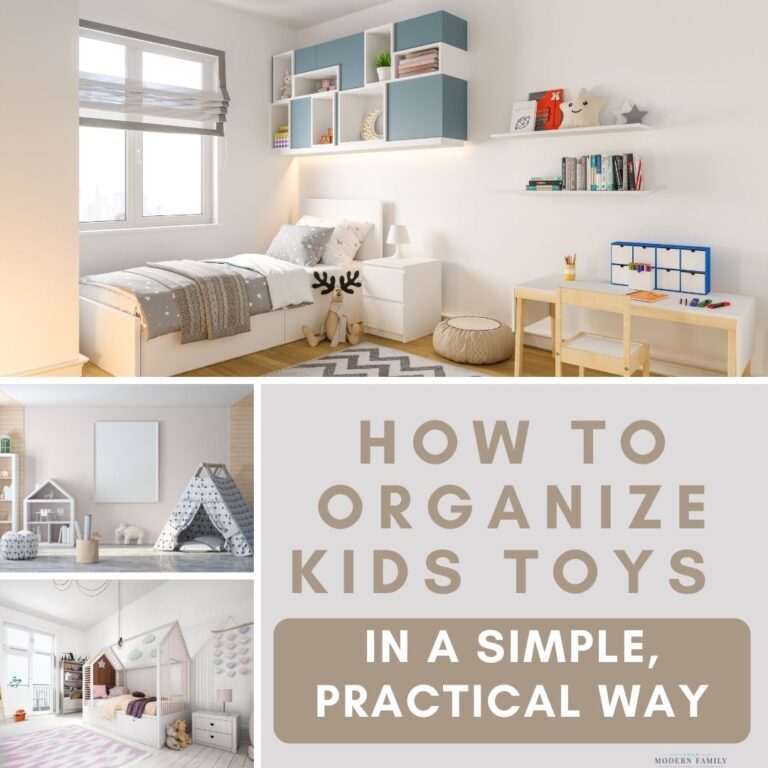
In managing the clutter of children’s toys, innovative storage solutions play a pivotal role in transforming chaotic spaces into organized, functional areas. By employing creative methods that align with children’s play styles and preferences, parents can not only minimize clutter but also encourage children to develop organizational skills. This approach fosters a tidier environment while making it inviting and accessible for play.One effective strategy in toy organization is to use furniture that doubles as storage.
This not only saves space but also integrates storage seamlessly into the room’s decor. For instance, benches with built-in compartments can serve as seating while housing toys, making them easily accessible. Furthermore, multi-functional furniture can enhance the aesthetic appeal of the room while providing practical storage solutions.
Innovative Storage Options for Different Types of Toys
When organizing toys, different types require tailored storage solutions to maximize functionality and efficiency. Below are some creative storage ideas categorized based on toy types:
- Building Blocks and LEGO: Use clear plastic bins with labels to keep sets organized by size or shape. Incorporate a dedicated playmat that folds up and doubles as a storage bag.
- Stuffed Animals: Hang a net or hammock in a corner to create a visually appealing display while keeping them off the floor. Alternatively, consider a large decorative basket that adds to the room’s decor.
- Art Supplies: Utilize a rolling cart with multiple tiers to keep craft materials organized and mobile. Each tier can hold different supplies while keeping messes contained.
- Board Games and Puzzles: Store these items vertically in a bookshelf, using magazine holders to keep them upright. This not only saves space but also makes it easier for children to see and select their preferred games.
Furniture that Doubles as Storage
Incorporating furniture that serves multiple purposes can amplify storage capacity while maintaining a stylish environment. Several options include:
- Ottomans: Choose ottomans with hollow interiors, perfect for stashing away toys while also providing extra seating.
- Bed Frames with Drawers: Opt for bed frames that come equipped with built-in drawers, allowing for easy storage of toys or seasonal clothing beneath the bed.
- Bookshelves with Bins: Use bookshelves fitted with fabric bins to create a tidy and organized display for various toys, making it easy for children to access items independently.
- Storage Benches: A storage bench at the foot of the bed or in play areas can serve as both a seat and a container for toys, simplifying cleanup after playtime.
DIY Storage Projects for Children’s Rooms
Engaging in DIY projects not only allows for personalization but also fosters a creative environment. Below are some simple DIY storage projects that can enhance children’s rooms:
- Painted Wooden Crates: Stack and paint wooden crates for an eye-catching toy display. These can be arranged in various configurations, offering a playful yet functional solution.
- Magnetic Storage Bins: Attach small, magnetic bins to the side of a metal shelf or play area for easy access to small toys or art supplies.
- Tension Rod for Books: Install a tension rod in a closet to hold books upright, allowing for a tidy and accessible book collection.
- Wall-Mounted Pegboards: Create a pegboard wall for hanging toys, art supplies, or even accessories. This not only saves floor space but also adds a fun design element to the room.
By implementing these creative storage solutions, organizing children’s toys becomes a more manageable and enjoyable process, contributing to a more harmonious living space that encourages play and creativity.
Organizing Toys by Category
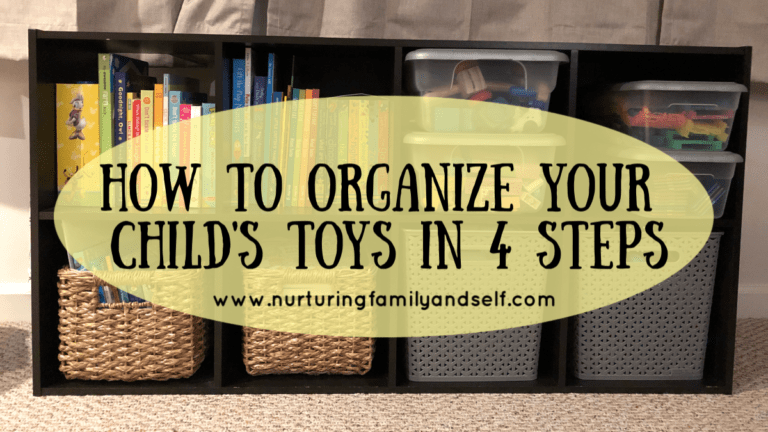
Organizing toys by category is a highly effective strategy for maintaining a tidy play area and facilitating easy access for children. By grouping similar items together, you create a system that not only helps in minimizing clutter but also enhances children’s ability to find and put away their toys independently. This method encourages responsibility in young ones and fosters a more organized environment overall.Categorizing toys can be achieved through various classifications based on type, age suitability, or even the activity they promote.
Below are some common categories and corresponding storage solutions, along with insightful tips for labeling each storage bin to enhance accessibility.
Common Categories of Toys with Storage Solutions
Organizing toys into specific categories allows for a more systematic approach to storage. This not only simplifies clean-up time but also helps children understand where items belong. Below are some effective categories along with suitable storage ideas:
- Building Blocks and Construction Toys:
Store these items in clear bins to make them visible. A large, stackable bin works well, allowing easy access while keeping them contained. - Art and Craft Supplies:
Utilize a rolling cart or a multi-drawer organizer to keep materials like crayons, markers, and paper sorted. This allows for quick access and encourages creativity. - Stuffed Animals:
A large mesh laundry bag can serve as a whimsical storage solution. It not only keeps them tidy but also doubles as a decorative element in a child’s room. - Board Games and Puzzles:
Invest in a dedicated shelf or bin with compartments to accommodate various sizes. Label each section to streamline game selection during playtime. - Outdoor Toys:
A designated outdoor storage shed or a weather-resistant bin can effectively house items such as balls, chalk, and outdoor sports equipment, protecting them from the elements.
To maximize the effectiveness of your organizational efforts, labeling storage bins is crucial. Employ the following tips for labeling:
- Visual Labels: Use pictures alongside words for younger children who may not read yet. This visual cue helps them identify where each toy belongs.
- Color-Coding: Assign different colors to each category, making it easier for kids to recognize and navigate their toys.
- Clear and Concise Text: Use large fonts and straightforward language for older children to facilitate quick identification.
- Durable Materials: Opt for laminated labels or waterproof stickers to ensure longevity, especially in areas prone to spills or dirt.
By implementing these strategies, organizing toys by category becomes a manageable task that not only enhances the aesthetic of play areas but also teaches children the value of order and responsibility.
Maintaining an Organized Play Space
Establishing and maintaining an organized play space is essential for fostering creativity and a sense of responsibility in children. An organized environment not only makes it easier for kids to find and enjoy their toys but also teaches them the importance of tidiness and respect for their belongings. Implementing consistent routines and strategies can significantly reduce clutter and promote a harmonious play area.Maintaining order in toy storage requires the establishment of effective routines.
Creating a daily or weekly schedule that involves tidying up toys can instill a sense of discipline in children. Encouraging them to participate in these routines can make the process enjoyable and engaging. Some effective routines include:
Daily Tidy-Up Routine
A daily tidy-up routine should be short and efficient, allowing children to quickly restore order before transitioning to other activities. Incorporating a few minutes of clean-up time into the daily schedule encourages children to take responsibility for their space.
Set a Specific Time
Designate a consistent time each day, such as before dinner or bedtime, for tidying up. This routine helps children anticipate and prepare for cleanup.
Involve Children in the Process
Encourage children to sort their toys into designated areas and make it a collaborative effort. Singing a clean-up song can make the activity more enjoyable.
Use Timers for Fun
Setting a timer for five to ten minutes can create a fun challenge to see how many toys can be put away in that time, fostering a sense of urgency and accomplishment.
Regular Toy Audits and Clean-Ups
Conducting regular audits of toys is important for evaluating what items are used frequently and which ones are no longer of interest. This process helps prevent clutter accumulation over time.
Schedule Regular Clean-Up Days
Set aside specific days, such as during school breaks or at the start of each season, to assess the toy collection. Involve children in deciding which items to keep or donate.
Create Criteria for Retention
Establish guidelines for keeping toys, such as whether they have been played with in the past three months or if they still hold the child’s interest.
Encourage Donation
Teach children about giving by encouraging them to select toys they no longer play with to donate to those in need. This fosters empathy and social responsibility.
Kid-Friendly Cleaning Schedule
Creating a cleaning schedule that is easily understandable for children can enhance their involvement in maintaining an organized play area. A visual chart or checklist can serve as an effective tool.
Use Visual Aids
Create a colorful chart with images depicting each cleaning task. This makes it easier for younger children to understand what is expected.
Incorporate Reward Systems
Implement a reward system for consistent participation in cleaning routines. Simple rewards like stickers or extra playtime can motivate children to adhere to the schedule.
Adapt the Schedule to Age
Tailor the complexity of tasks to the child’s age. Younger children may focus on larger items, while older children can take responsibility for more detailed organization.By establishing these routines and strategies, parents can cultivate a tidy and inviting play space that encourages creativity and responsibility in children, making the act of maintaining order a collaborative and enjoyable experience.
Teaching Kids Responsibility for Their Toys
Instilling a sense of responsibility in children regarding their toys is a crucial aspect of parenting. Teaching kids how to care for their belongings not only fosters respect for their possessions but also cultivates essential life skills such as organization and accountability. As they learn these values, children will become more adept at managing their space and belongings, leading to a more harmonious home environment.Teaching children responsibility involves active engagement and consistent reinforcement.
One effective method is to incorporate discussions about the importance of taking care of their toys. When children understand that their toys require care and maintenance, they are more likely to treat them with respect. Additionally, modeling responsible behavior by showing how to organize and care for toys sets a powerful example for children to follow.
Methods to Encourage Toy Care
Implementing specific strategies can significantly enhance children’s sense of responsibility towards their toys. The following methods can be effective:
- Establishing Clear Expectations: Clearly communicate what is expected regarding the care and organization of toys. For instance, explain that toys should be returned to their designated storage spaces after playtime.
- Incorporating Routine: Create a daily routine that includes time for toy cleanup, making it a regular part of their day. This routine helps children understand that caring for their toys is a consistent obligation.
- Encouraging Personal Ownership: Allow children to choose where to store their toys. When kids have a say in their toy organization, they are more likely to take ownership of their toys and their care.
- Positive Reinforcement: Regularly acknowledge and praise children when they demonstrate responsible behavior, such as putting toys away without being asked. This reinforcement builds their confidence and encourages continued responsible actions.
Positive Reinforcement in Developing Responsibility
Positive reinforcement plays a pivotal role in teaching children responsibility for their toys. By recognizing and celebrating small achievements, children feel encouraged to continue their responsible behavior. This practice not only motivates them but also establishes a positive association with the tasks related to toy management.For instance, a simple reward system can be implemented where children earn points for consistently cleaning up after themselves.
These points can be exchanged for small privileges or treats. This approach reinforces desirable behaviors and helps children associate responsibility with positive outcomes.
Age-Appropriate Chores Related to Toy Management
Assigning age-appropriate chores related to toy management not only teaches responsibility but also promotes independence. Here are examples of suitable chores for different age groups:
- Toddlers (Ages 2-3): Toddlers can participate by placing larger toys in designated bins or baskets with adult supervision. This introduces them to the concept of organization.
- Preschoolers (Ages 4-5): Preschoolers can help sort toys by category, such as grouping all blocks together or putting stuffed animals in one place. This activity enhances their sorting skills.
- Early School Age (Ages 6-8): Children in this age group can be responsible for organizing their toys daily, ensuring that everything is returned to its proper place. They can also help with dusting and cleaning their toy area.
- Older Children (Ages 9+): Older children can take on more complex tasks, such as donating toys they no longer play with. They can also assist in creating a toy inventory, listing what they have and determining what needs to be kept or discarded.
Utilizing Technology for Toy Management
In today’s digital age, technology offers numerous solutions to assist parents in managing and organizing their children’s toys. From apps designed to keep track of toys to online resources that provide innovative organization ideas, technology can significantly streamline the toy management process, making it simpler and more efficient.Various apps and tools have emerged to aid in tracking and organizing toys.
These digital resources can help maintain an inventory, manage donations, and even promote responsible habits among children. Leveraging technology allows families to create structured systems that are both practical and fun.
Apps and Tools for Tracking and Organizing Toys
Several applications can effectively assist in managing toy inventories. These tools simplify the process of keeping track of what toys are owned, their condition, and even when they were last played with.
- Toybox: This app allows users to catalog their toys by scanning barcodes or manually entering details, making it easier to know what is in the collection.
- Home Inventory: A comprehensive app that helps users document their belongings, including toys, and can assist in tracking their value for insurance purposes.
- Clutter-free: This app provides reminders and tips for reducing clutter and encourages users to donate toys that are no longer used.
The integration of technology into the toy management process can also facilitate the donation process, allowing families to evaluate which toys they can part with while ensuring that they find new homes where they will be appreciated.
Facilitating Toy Inventory and Donation Processes
Maintaining an organized toy inventory not only keeps play spaces tidy but also encourages charitable actions. Technology simplifies the process of assessing which toys are suitable for donation, making it easier for families to make responsible choices.
- Donation tracker apps: Apps like Give Back Box allow parents to schedule pickups or find nearby charities accepting donations, ensuring that unused toys are given to those in need.
- Social media groups: Platforms such as Facebook often have local buy/sell/trade groups where parents can list toys for sale or give away, promoting a sense of community.
- Community sharing apps: Apps like Nextdoor enable neighbors to share or swap toys, reducing waste and fostering connections.
Utilizing these tools not only helps in decluttering but also teaches children about generosity and the importance of sharing with others.
Online Resources for Toy Organization Ideas
The internet is a treasure trove of innovative ideas for organizing toys, catering to various needs and preferences. Exploring these resources can inspire parents to create personalized and effective toy management systems.
- Pinterest: A platform filled with creative DIY toy storage solutions, from repurposed furniture to creative shelving ideas.
- Organized Home: A website that offers tips and strategies specifically for toy organization, including checklists and maintenance schedules.
- Marie Kondo’s Tidying Up: The website provides principles of minimalism and tidying that can be applied to kids’ toys, emphasizing the value of keeping only what sparks joy.
- YouTube tutorials: Channels dedicated to organization provide visual guides and step-by-step instructions for creating custom toy storage solutions.
By tapping into these online resources, parents can discover a wealth of inspiration to transform their children’s play areas into organized and inviting spaces.
Summary
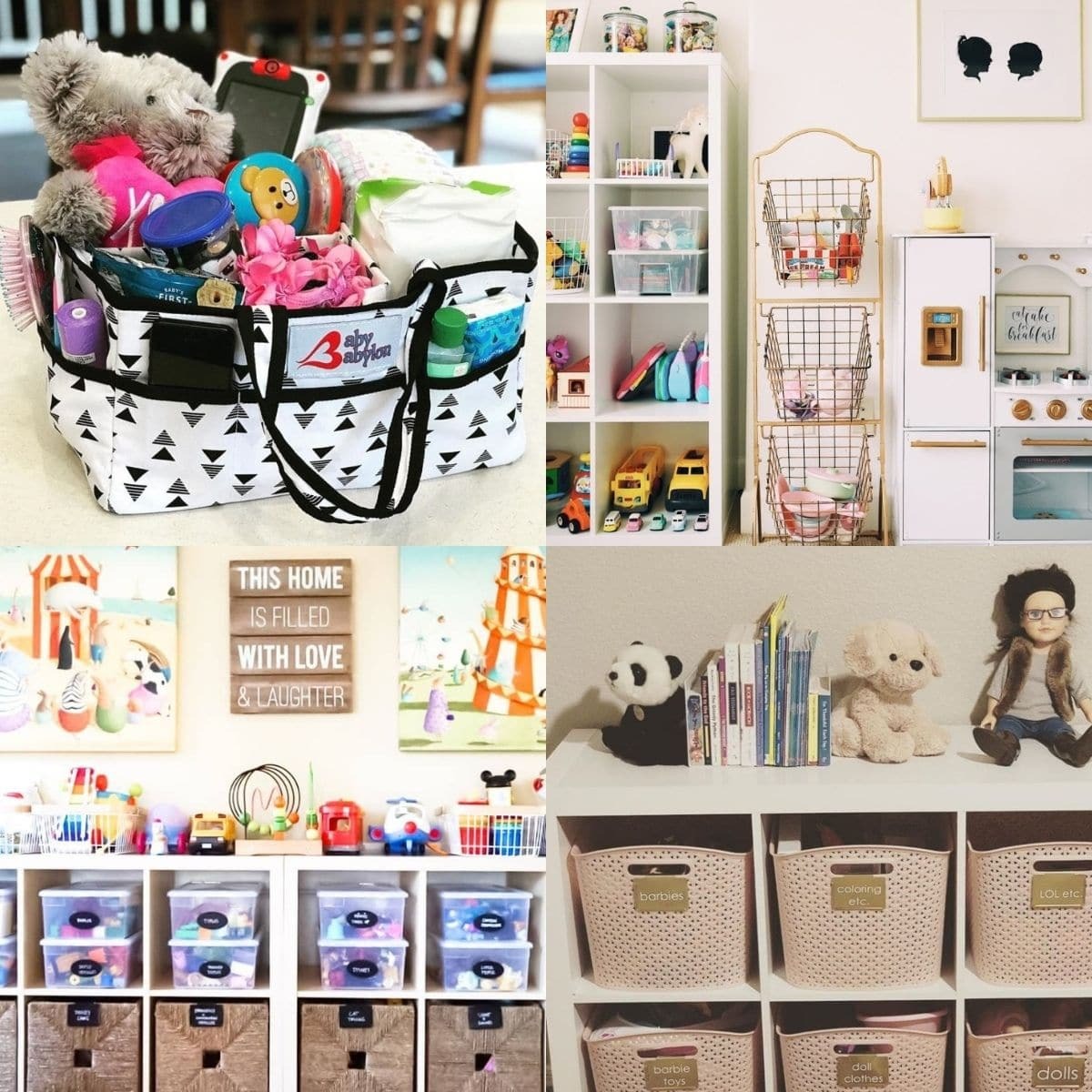
In conclusion, maintaining an organized toy environment goes beyond mere aesthetics; it fosters responsibility, creativity, and a sense of ownership in children. By adopting a systematic approach to toy management, parents can not only reduce clutter but also enhance their children’s play experiences. Embracing the strategies discussed will lead to a more enjoyable home atmosphere where children can thrive and engage in meaningful play.