Creating a minimalist and productive home office not only enhances your workflow but also promotes a serene atmosphere that fosters creativity. In today’s fast-paced world, the significance of a well-organized workspace cannot be overstated; it serves as a foundation for achieving both personal and professional goals. This guide will explore the essentials of minimalism in the home office, emphasizing how simplicity can lead to greater productivity and satisfaction.
By understanding the essential elements of a minimalist office, organizing your workspace effectively, and incorporating the right technology and routines, you can cultivate an environment that maximizes efficiency. Let us embark on this journey towards a more focused and enjoyable work experience.
Importance of a Minimalist Home Office
Creating a minimalist home office is instrumental in fostering both productivity and mental well-being. Minimalism emphasizes simplicity and functionality, stripping away excess clutter that can distract and overwhelm. By adopting a minimalist approach in the workspace, individuals can cultivate an environment that not only enhances focus but also promotes efficiency in daily tasks.Decluttering is a vital element in boosting productivity.
A clean and organized workspace minimizes distractions and allows individuals to concentrate on their work without the chaos of unnecessary items competing for attention. Research has shown that a cluttered environment can evoke feelings of stress, leading to decreased motivation and focus. Conversely, an orderly workspace has been linked to improved cognitive function and higher levels of creativity.
Benefits of Minimalism in a Workspace
The integration of minimalism into a home office brings several significant advantages:
- Enhanced Focus: A minimalist workspace reduces visual distractions, enabling individuals to concentrate better on their tasks.
- Increased Efficiency: With fewer items to manage, individuals can find necessary tools and documents quicker, streamlining their workflow.
- Improved Mental Clarity: A clean environment contributes to a clear mind, empowering individuals to think more creatively and solve problems effectively.
- Stress Reduction: A serene and organized space leads to lower stress levels, allowing for a more enjoyable working experience.
The psychological effects of a clean and organized environment cannot be understated. Studies indicate that visual clutter can significantly impact mental health, leading to feelings of anxiety and overwhelm. A well-maintained minimalist office environment fosters a sense of calm and control, which is particularly important in high-pressure work scenarios.
“An organized space is the first step towards an organized mind.”
In addition to these benefits, a minimalist approach often encourages intentionality in the selection of furnishings and tools. The focus shifts from accumulating items to choosing quality over quantity, which promotes a more thoughtful engagement with the workspace. With fewer distractions and a clear focus, individuals working in a minimalist environment often report higher levels of job satisfaction and overall well-being.
The cumulative effects of minimalism in a home office create not only a functional workspace but also a sanctuary that inspires creativity, productivity, and a positive mindset.
Essential Elements of a Minimalist Office
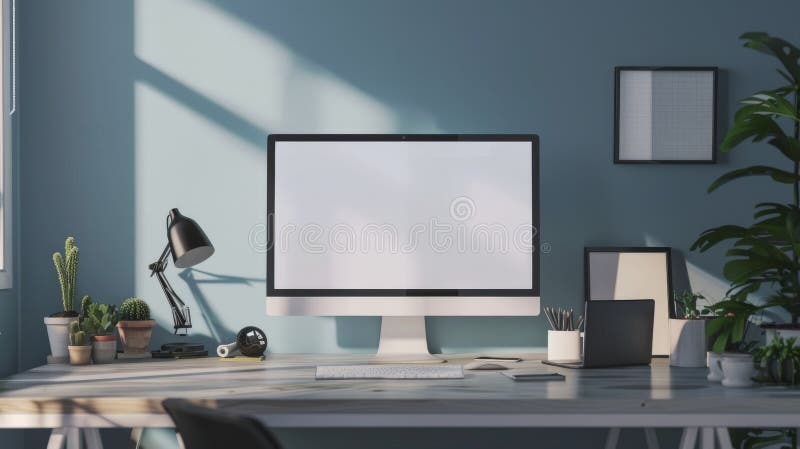
Creating a minimalist office is essential for enhancing productivity and maintaining focus in a work environment. A well-thought-out minimalist setup not only reduces distractions but also promotes a serene atmosphere conducive to creativity. The following sections detail the necessary furniture items, effective storage solutions, and ideal color schemes that collectively contribute to an efficient minimalist office space.
Necessary Furniture Items for a Minimalist Office Setup
The choice of furniture plays a pivotal role in establishing a minimalist office. It is crucial to select pieces that are functional yet simple, allowing for easy movement and maintaining a clutter-free environment. Key furniture items include:
- Desk: Opt for a simple, clean-lined desk that offers sufficient workspace without excessive features. Consider adjustable standing desks for versatility.
- Chair: Invest in an ergonomic chair that prioritizes comfort and support while maintaining a sleek design.
- Lighting: Choose a minimalistic desk lamp that provides adequate brightness. Natural light should be maximized, so arrange your desk near windows when possible.
- Monitor Stand: A straightforward monitor stand elevates the screen to eye level, helping maintain good posture.
Types of Storage Solutions that Promote Minimalism
Effective storage solutions are vital in reducing clutter and maintaining a clean workspace. Minimalism thrives on the principle of “less is more,” and the following storage options reflect this ethos:
- Wall-mounted Shelves: These shelves provide storage without taking up floor space, allowing for easy access to essential items.
- Drawer Units: Utilize sleek, multi-functional drawer units that can fit under desks or against walls, promoting hidden storage.
- File Organizers: Implement simple file organizers to keep documents sorted and reduce paper clutter.
- Storage Boxes: Clear or labeled storage boxes can help in organizing smaller items while keeping surfaces clean.
Ideas for Selecting Color Schemes that Foster Focus and Creativity
The color scheme of an office significantly influences mood and productivity. A minimalist approach to colors can create a calming yet inspiring environment. Consider the following ideas for selecting the perfect palette:
- Neutral Tones: Shades of white, beige, or gray provide a clean backdrop that enhances focus and creates a sense of spaciousness.
- Pops of Color: Incorporate accents of colors like soft blue or green through decor or art pieces to stimulate creativity without overwhelming the senses.
- Natural Hues: Earthy tones such as browns and muted greens promote a connection to nature, fostering a calming atmosphere.
- Monochromatic Schemes: A monochrome palette can create a sophisticated look while maintaining simplicity and elegance.
“A minimalist office is not just about reducing the number of items; it’s about enhancing the quality of the work experience.”
Organizing Your Workspace
A well-organized workspace is crucial for enhancing productivity and maintaining a serene environment conducive to focused work. By implementing effective organization strategies, you can create a minimalist home office that not only looks appealing but also functions efficiently. Below, we will explore methods for decluttering, incorporating functional decor, and managing both paperwork and digital files.
Steps for Decluttering and Organizing a Home Office
Creating a clutter-free workspace begins with a systematic approach to decluttering. The following steps Artikel an effective process to reorganize your home office:
- Assess Your Space: Begin by taking a comprehensive look at your current office setup. Identify areas that feel cramped or unproductive and make a note of items that are rarely used.
- Categorize Items: Sort your belongings into categories, such as essential work materials, decorative elements, and personal items. This helps in deciding what to keep, donate, or discard.
- Implement the ‘One In, One Out’ Rule: To maintain minimalism, adopt a principle where for every new item you bring in, one must go out. This helps keep the clutter at bay.
- Use Storage Solutions: Invest in functional storage solutions like drawer organizers, wall shelves, and cable management tools. A tidy environment fosters better concentration.
- Regularly Reassess: Make it a habit to review your workspace regularly. Schedule monthly check-ins to ensure that your office remains organized and clutter-free.
Incorporating Functional Decor While Maintaining Minimalism
Decorating a minimalist home office can be a delicate balance between aesthetics and functionality. Here are some methods to ensure your decor supports your work environment:
“Minimalism is not a lack of something. It’s simply the perfect amount of something.”
- Select Multi-functional Furniture: Choose furniture that serves more than one purpose. For instance, a desk with built-in storage or a chair that doubles as a decorative element can enhance both function and design.
- Opt for Simple Artwork: Incorporate art pieces that inspire you while aligning with a minimalist aesthetic. Select pieces with neutral colors or simple designs that complement the overall workspace.
- Incorporate Plants: Adding greenery can improve air quality and create a calming atmosphere. Opt for low-maintenance plants that require minimal care, such as succulents or snake plants.
- Limit Decorative Items: Keep decorative elements to a minimum. Choose a few key pieces that resonate with you emotionally or professionally, and avoid overcrowding surfaces.
Effective Management of Paperwork and Digital Files
An organized approach to handling paperwork and digital files is vital in a minimalist home office. Here are tips to streamline this process:
“A place for everything and everything in its place.”
To manage physical paperwork:
- Implement a Filing System: Create a simple filing system with clearly labeled folders for important documents, correspondence, and project materials. This prevents piles of paper from accumulating.
- Go Paperless: Whenever possible, opt for digital documentation. Use scanning apps to digitize important papers, thereby reducing physical clutter.
- Set a Weekly Review Schedule: Dedicate time each week to review your files. This helps in keeping your paperwork manageable and ensures that you promptly address any important documents.
For digital files management:
- Organize with Folders: Use a logical folder structure on your computer. Create main folders for different projects and subfolders for specific tasks or documents.
- Utilize Cloud Storage: Services like Google Drive or Dropbox provide accessible storage solutions that allow you to access files from anywhere while safeguarding against data loss.
- Regularly Clean Up Digital Space: Set reminders to declutter your digital workspace. Delete unnecessary files and organize your desktop to maintain productivity.
Designing a Productive Environment
Creating a productive environment in a minimalist home office is crucial for enhancing focus and efficiency. By incorporating specific design elements, individuals can cultivate a workspace that not only promotes productivity but also remains uncluttered and visually appealing. Key factors such as layout, use of natural elements, and optimal lighting play significant roles in the overall functionality of the office space.
Key Factors Contributing to a Productive Workspace
The layout and organization of a workspace significantly influence productivity levels. A well-thought-out design can reduce distractions and streamline workflows. Consider the following essential factors:
- Space Layout: A clear and open layout provides easy movement and access to essential tools, minimizing interruptions.
- Ergonomic Furniture: Comfortable seating and desks that promote good posture can enhance focus and reduce fatigue during long working hours.
- Minimal Distractions: Positioning work-related items within reach while keeping personal items out of sight fosters a focused environment.
Incorporating Natural Elements in a Minimalist Office
Integrating natural elements into the minimalist office design not only elevates the aesthetic appeal but also contributes to mental well-being and increased productivity. Biophilic design embraces the connection between nature and human experience, and can be achieved through various means:
- Greenery: Incorporating indoor plants, such as snake plants or pothos, improves air quality and adds a refreshing touch to the workspace.
- Natural Light: Positioning the desk near windows maximizes exposure to natural light, which can boost mood and reduce eye strain.
- Natural Materials: Utilizing furniture made from wood, bamboo, or stone fosters a sense of calm and connection to nature.
Importance of Lighting and Its Impact on Productivity
Lighting is one of the most critical aspects of a productive workspace. The right lighting can enhance concentration, boost energy levels, and improve overall comfort. Here are key considerations regarding office lighting:
- Natural Light Utilization: Maximizing natural light can lead to increased productivity and well-being, as it helps regulate circadian rhythms.
- Task Lighting: Adjustable desk lamps that provide focused light for specific tasks can enhance visibility and reduce strain.
- Color Temperature: Choosing bulbs that emit cooler light during the day can promote alertness, while warmer light in the evening aids relaxation.
Incorporating effective lighting solutions is essential for reducing fatigue and fostering an energetic atmosphere conducive to productivity.
Technology and Tools for Efficiency
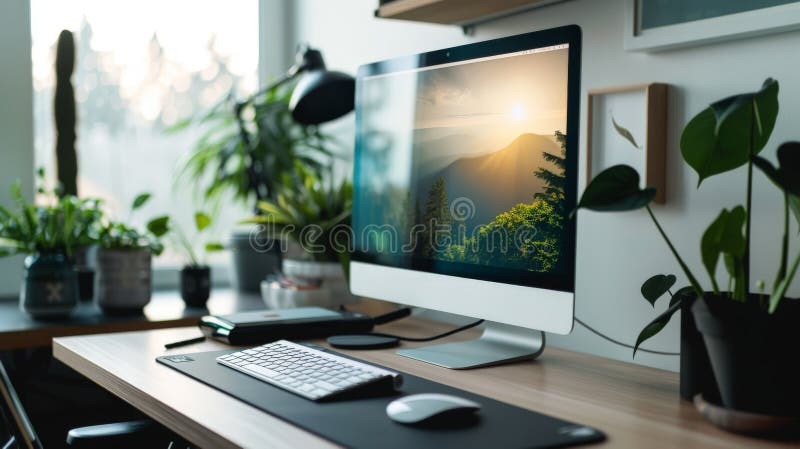
In today’s fast-paced digital world, having the right technology and tools is essential for fostering efficiency in a minimalist home office. By carefully selecting gadgets and applications, one can create a workspace that not only enhances productivity but also maintains a clutter-free environment. Below are some key components that can significantly improve your work experience.
Essential Tech Gadgets
Incorporating the right tech gadgets into your minimalist office can streamline your workflow and minimize unnecessary distractions. Here are some essential tools to consider:
- Laptop or Tablet: A lightweight device with powerful performance is crucial for mobility and efficiency.
- Wireless Mouse and Keyboard: These gadgets reduce cable clutter and can enhance comfort during prolonged use.
- Noise-Canceling Headphones: Ideal for maintaining focus in a bustling environment, these headphones help drown out distractions.
- Smartphone Stand: Keeping your phone at eye level minimizes strain and keeps your workspace organized.
- Portable SSD: A compact external storage solution enables easy access to important files while ensuring your office remains clutter-free.
Integrating Apps for Enhanced Productivity
Applications play a vital role in optimizing productivity in a minimalist workspace. The following applications can help in task management, organization, and communication:
- Todoist: A task management app that helps prioritize tasks and manage deadlines effectively.
- Evernote: This note-taking application allows users to organize notes, ideas, and documents in one place.
- Slack: A communication tool that streamlines team communication, reducing the need for excessive emails.
- Trello: A project management tool that enables visual organization of tasks and collaborative projects.
- Focus@Will: An app that provides curated music playlists designed to enhance concentration and productivity.
Ergonomic Tools for Comfort and Focus
Maintaining comfort in your workspace is crucial for sustained productivity. Ergonomic tools are designed to support better posture and reduce physical strain. Consider the following:
- Adjustable Standing Desk: Allows for flexible working positions, promoting movement throughout the day.
- Ergonomic Chair: A chair that supports natural spinal curvature and provides adequate lumbar support can significantly enhance comfort.
- Monitor Stand: Raising your monitor to eye level can help reduce neck strain and improve your overall posture.
- Wrist Rest: A wrist rest helps maintain a neutral wrist position while typing, minimizing discomfort during extended use.
“Incorporating the right technology and ergonomic tools is key to creating a productive and comfortable minimalist home office.”
Creating a Routine for Success

Establishing a daily routine is vital for enhancing productivity, particularly in a home office environment. By creating a structured schedule, individuals can optimize their working hours, ensuring that they maintain focus and efficiency throughout the day. A well-planned routine helps in managing time effectively, allowing for designated periods of work, breaks, and personal time, which collectively contribute to overall success.To maximize productivity, it is essential to Artikel a daily routine that aligns with personal working habits and preferences.
This may include setting specific start and end times for work, allocating time blocks for various tasks, and incorporating regular breaks to recharge.
Minimizing Distractions
Distractions can significantly impede productivity in a home office. Identifying and minimizing these distractions is crucial for maintaining focus and achieving work objectives. Here are several strategies to create a distraction-free environment:
- Dedicated Workspace: Establish a specific area in your home solely for work purposes. This separation helps signal to your brain that it is time to focus.
- Limit Digital Interruptions: Utilize apps that block distracting websites and notifications during work hours.
- Set Boundaries with Household Members: Communicate your working hours to family members or housemates to minimize interruptions.
- Use Noise-Canceling Headphones: These can help drown out background noise and create a more conducive working atmosphere.
Importance of Regular Breaks
Incorporating regular breaks into your work routine is essential for sustaining focus and preventing burnout. Breaks allow the brain to rest and recharge, which can enhance overall productivity when returning to tasks. The following points highlight the significance of these breaks:
- Improved Mental Clarity: Taking short breaks can enhance cognitive function, leading to clearer thinking and better problem-solving abilities.
- Increased Creativity: Stepping away from work can boost creativity, allowing new ideas to surface when you return.
- Physical Health Benefits: Regular breaks encourage movement, which is vital for physical well-being, especially for those who sit for extended periods.
- Stress Reduction: Taking time to relax and recharge can significantly reduce stress levels, promoting a healthier work-life balance.
Personalizing Without Clutter
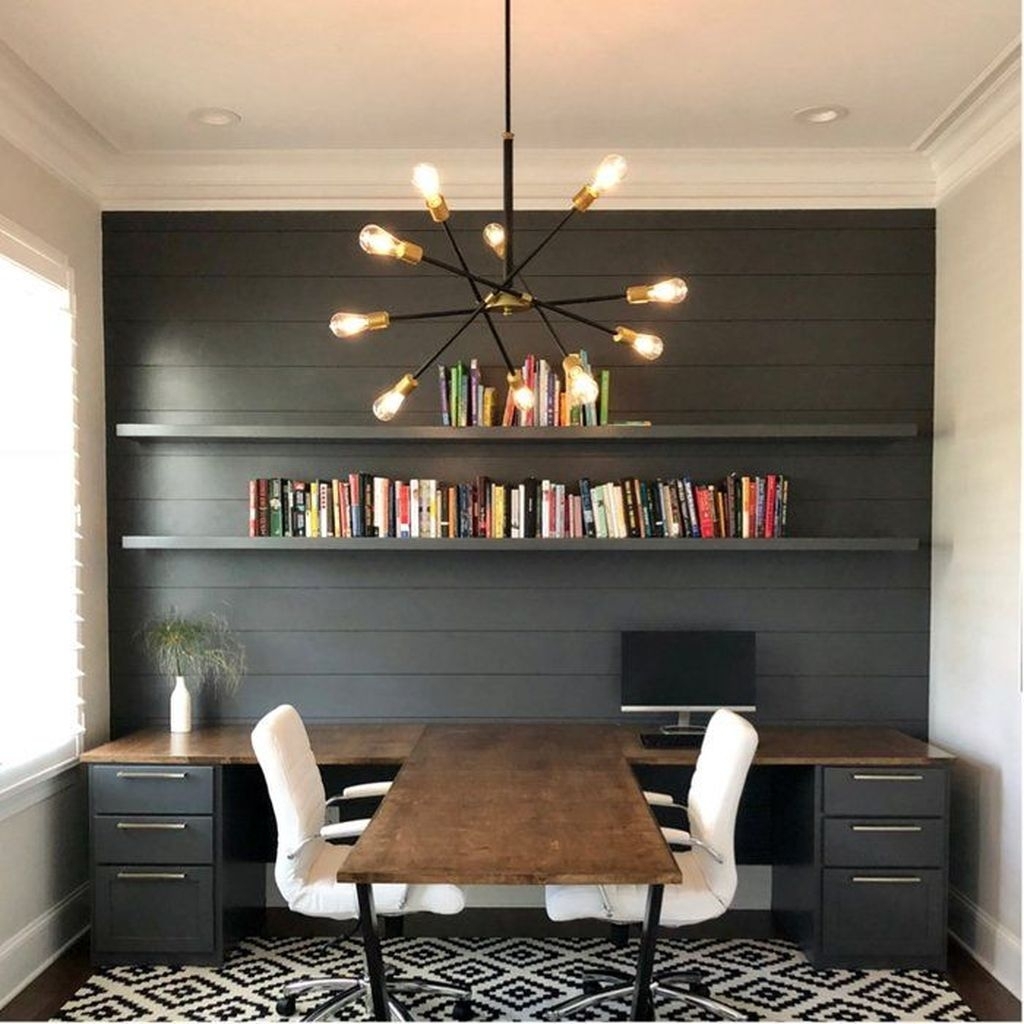
Creating a minimalist home office does not mean sacrificing personal expression. Instead, it invites a thoughtful selection of items that enhance your workspace while maintaining a clean aesthetic. Personalizing your office can help foster creativity and motivation, provided that it is done with intention and purpose.When selecting personal items for a minimalist office, the focus should be on quality and significance rather than quantity.
Items that evoke positive emotions or inspire productivity can enhance your workspace while adhering to minimalist principles. To ensure that your personal style harmonizes with a clean look, consider the following methods for balancing aesthetics and functionality.
Choosing Personal Items That Add Value
Identifying personal items that can coexist harmoniously in a minimalist office requires a careful selection process. Aim for pieces that not only reflect your personality but also contribute positively to your productivity. Here are some strategies to guide you:
- Select Meaningful Items: Choose items that hold sentimental value or serve a functional purpose. A framed photograph of a loved one or a travel souvenir can provide motivation without overwhelming the space.
- Limit Decorative Elements: Opt for a few well-placed decorative items, such as a stylish clock or a piece of minimalist art, that can enhance the visual appeal without cluttering the desk.
- Incorporate Natural Elements: Adding a small plant can introduce life into your workspace while promoting a calming atmosphere. Succulents or air plants are excellent choices as they require minimal maintenance.
Balancing Personal Style with a Clean Aesthetic
Achieving a balance between personal style and a minimalist aesthetic involves a thoughtful curation of your workspace. This balance is crucial for maintaining a serene and organized environment that still feels unique to you. Consider these approaches:
- Choose a Cohesive Color Palette: Limit your personal items to a few colors that complement the overall color scheme of your office. A cohesive palette creates visual harmony, enhancing the minimalist feel.
- Utilize Functional Storage: Implementing attractive storage solutions, such as elegant boxes or baskets, can provide a way to keep personal items organized and out of sight, preserving a clean workspace.
- Rotate Personal Items: To keep the workspace fresh and inspiring, consider rotating personal items regularly. This allows you to showcase different pieces without cluttering your desk, keeping the environment dynamic.
Examples of Minimalistic Art for Inspiration
Art can play a significant role in personalizing your workspace while adhering to minimalist principles. The right piece can inspire creativity and enhance focus. Here are some minimalistic art styles that can serve as motivation within your office:
- Abstract Geometric Art: Pieces that utilize simple shapes and neutral colors can create a striking focal point without overwhelming the space.
- Black and White Photography: Monochromatic photography can evoke emotion and stimulate creativity while maintaining an uncluttered aesthetic.
- Quote Prints: Inspiring quotes presented in a minimalist font can serve as a daily reminder of your goals and aspirations. Opt for simple frames that complement your office decor.
By thoughtfully selecting personal items, maintaining a clean aesthetic, and incorporating inspiring art, you can create a personalized workspace that enhances both productivity and comfort in your minimalist home office.
Concluding Remarks
In conclusion, mastering the art of creating a minimalist and productive home office is not merely about decluttering but also about designing a space that reflects your values and enhances your efficiency. By integrating thoughtful design choices, effective organization, and a well-planned routine, you can transform your workspace into a sanctuary of productivity. Embrace minimalism, and allow it to guide you toward achieving your goals with clarity and purpose.