How to Create a Simple Minimalist Garden invites you to explore the serene beauty and thoughtful design that minimalist gardening offers. This approach to gardening emphasizes simplicity, functionality, and a profound connection with nature, allowing individuals to create tranquil spaces that reflect their personal style. With the right planning and plant selection, a minimalist garden can transform any outdoor area into a peaceful retreat, promoting relaxation and mindfulness.
In this guide, we delve into the philosophy of minimalism in gardening, highlighting its benefits, characteristics, and the essential steps to create a garden that embodies the principles of simplicity and elegance. From designing the layout to choosing low-maintenance plants and implementing sustainable practices, you will discover how to cultivate an inviting outdoor space that is both aesthetically pleasing and easy to maintain.
Understanding Minimalism in Gardening
Minimalism in gardening is a design philosophy that emphasizes simplicity and efficiency, allowing nature’s beauty to shine without overwhelming distractions. This approach encourages gardeners to focus on essential elements, creating spaces that evoke tranquility and balance. By removing unnecessary clutter, a minimalist garden can foster a sense of peace and connection with the environment.The philosophy of minimalism in garden design is rooted in the belief that less is more.
It advocates for the use of fewer plants, materials, and decorative elements, thereby allowing each component to serve a specific purpose and become a focal point in its own right. This approach not only streamlines the aesthetic appeal of the garden but also simplifies maintenance and care, ultimately enhancing the enjoyment of the space.
Benefits of Adopting a Minimalist Approach to Gardening
Adopting a minimalist approach to gardening offers numerous advantages that can enhance both the experience and the environment. The following points highlight the key benefits associated with this style:
- Reduced Maintenance: With fewer plants and simpler designs, a minimalist garden requires less time and effort to maintain, making it ideal for busy individuals.
- Cost-Effectiveness: Minimizing plant variety and design complexity often leads to lower initial costs and ongoing expenses for garden upkeep.
- Enhanced Focus: A minimalist garden allows for a clearer focus on individual plants and features, making each element more impactful and noticeable.
- Environmental Benefits: By limiting plant choices, gardeners can select native species that require less water and support local wildlife, promoting ecological balance.
Common Characteristics of a Minimalist Garden
Understanding the defining traits of minimalist gardens is crucial for creating a cohesive and serene space. The following characteristics commonly define minimalist gardens:
- Simple Plant Selection: Minimalist gardens often feature a limited number of plant species, focusing on those that are low-maintenance and visually striking.
- Clean Lines and Shapes: The design typically incorporates geometric patterns and straight lines, which contribute to a structured and orderly appearance.
- Natural Materials: Use of stone, wood, and other natural materials is common, allowing the garden to blend seamlessly with the surrounding environment.
- Open Spaces: Ample open areas are integral to minimalist gardens, providing breathing room and avoiding feelings of overcrowding.
- Thoughtful Use of Color: A restrained color palette is often favored, allowing for the subtle interplay of hues without overwhelming the senses.
“The beauty of a minimalist garden lies in its ability to create harmony through simplicity.”
Planning Your Minimalist Garden
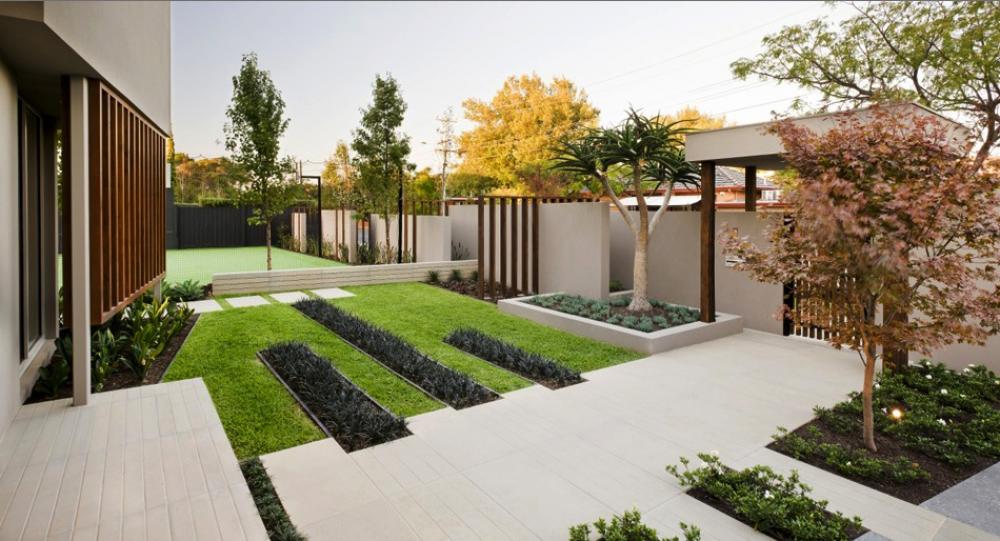
Creating a minimalist garden begins with a comprehensive assessment of your available space. This step is crucial, as it allows you to visualize the potential of your garden and lay the groundwork for a serene and uncluttered environment. In this section, we will Artikel the essential steps to effectively plan your minimalist garden, including the necessary materials and a simple layout plan that highlights focal points and open spaces.
Assessing Available Space
The first step in planning your minimalist garden involves carefully evaluating the size and layout of your available space. This assessment will guide your design choices and help you make the most of the area.
- Measure the Area: Utilize a measuring tape to determine the dimensions of your garden space. Consider both the width and length to calculate the total area.
- Observe Light Conditions: Identify areas of your garden that receive ample sunlight versus those that are shaded. This will influence your plant selection and arrangement.
- Consider Soil Type: Conduct a soil test to determine its composition and quality. This evaluation will inform you about necessary amendments for optimal plant growth.
- Note Existing Features: Take stock of any existing elements, such as trees, pathways, or structures, that can serve as focal points or need to be integrated into your design.
Essential Materials for Minimalist Garden Setup
Organizing a list of essential materials is vital for the efficient establishment of your minimalist garden. A well-prepared list ensures that you have everything you need at hand, streamlining the setup process.
- Plants: Select a limited number of plant varieties that complement each other and thrive in your specific conditions. Focus on perennials, shrubs, and grasses that require minimal maintenance.
- Soil Amendments: Gather organic compost or soil enhancers to improve soil quality and support plant growth.
- Mulch: Choose a minimalist mulch option, such as wood chips or gravel, to suppress weeds and retain soil moisture.
- Tools: Essential gardening tools include a spade, rake, trowel, and watering can. These will aid in planting and maintenance activities.
- Decorative Elements: Consider minimalistic decorative items, such as stone sculptures or simple benches, to enhance your garden without cluttering the space.
Creating a Simple Layout Plan
A well-thought-out layout plan is key to achieving a minimalist aesthetic in your garden. The layout should emphasize open spaces while incorporating focal points for visual interest.
“A minimalist garden thrives on the principle of ‘less is more,’ where each element serves a purpose and contributes to the overall harmony of the space.”
To create your layout, follow these guidelines:
- Sketch the Area: Use graph paper or digital design tools to sketch your garden layout, incorporating the measurements taken during your assessment.
- Identify Focal Points: Decide on one or two focal points, such as a striking plant or a small water feature, that will draw the eye and anchor the space.
- Design Open Spaces: Ensure ample open areas to create a sense of tranquility. Avoid overcrowding with plants or decorations.
- Plan for Accessibility: Design pathways or clear areas that allow easy access for maintenance and viewing. This enhances the functionality of the garden.
Choosing the Right Plants
Selecting the appropriate plants is a crucial step in creating a successful minimalist garden. The right choice not only enhances the visual appeal of the space but also ensures that the garden remains low-maintenance and harmonious with its surroundings. By focusing on plant selection, you can achieve a serene aesthetic while minimizing the effort required to maintain your garden.
Low-Maintenance Plant Options
In a minimalist garden, the goal is to choose plants that require minimal care while still providing structure and beauty. Below are several low-maintenance plant options that are well-suited for a minimalist aesthetic:
- Succulents: These drought-resistant plants come in various shapes and sizes, making them ideal for adding texture to your garden without demanding much water or attention.
- Ornamental Grasses: Grasses such as Festuca or Miscanthus offer movement and softness, contributing to the minimalist look while thriving in diverse climates.
- Lavender: Known for its fragrant flowers and foliage, lavender requires minimal watering and attracts pollinators, enhancing the garden’s ecological balance.
- Sedum: This versatile ground cover is hardy and drought-tolerant, making it an excellent choice for filling spaces without excessive maintenance.
- Boxwood: As a classic choice for formal gardens, boxwood provides structure and can be easily shaped to maintain a clean, minimalist line.
Importance of Color and Texture
Color and texture play pivotal roles in achieving a minimalist aesthetic. A well-considered color palette can create a sense of calm and coherence throughout the garden. Limiting the number of colors to two or three allows for a more unified appearance. Additionally, the texture of the plants adds depth to the garden design.
“Using a limited color palette and varying textures creates an effortless harmony in a minimalist garden.”
When selecting plants, consider the following aspects:
- Foliage Color: Choose plants with consistent foliage color that complements one another, such as shades of green, gray, or silver.
- Flower Colors: Opt for flowers that are either monochromatic or subtle in color, avoiding overly vibrant hues that may disrupt the tranquility of the space.
- Texture Variation: Incorporate a mix of smooth-leaved and textured plants to enhance visual interest without overcrowding the design.
Selecting Plants for Local Climate
Choosing plants that thrive in your local climate is essential for ensuring the long-term success of your minimalist garden. Researching native plants can lead to a more sustainable garden that requires less watering and care. Native species are adapted to the local soil and weather conditions, making them easier to maintain.To select the right plants for your specific climate:
- Consult Local Resources: Use local extension services, gardening clubs, or botanical gardens to find plant recommendations suited to your region.
- Consider Microclimates: Take note of variations in sunlight, moisture, and temperature within your garden to choose plants that will thrive in those specific conditions.
- Seasonal Variability: Select a combination of plants that offer visual interest throughout the seasons, ensuring your garden remains appealing year-round.
Designing the Garden Layout
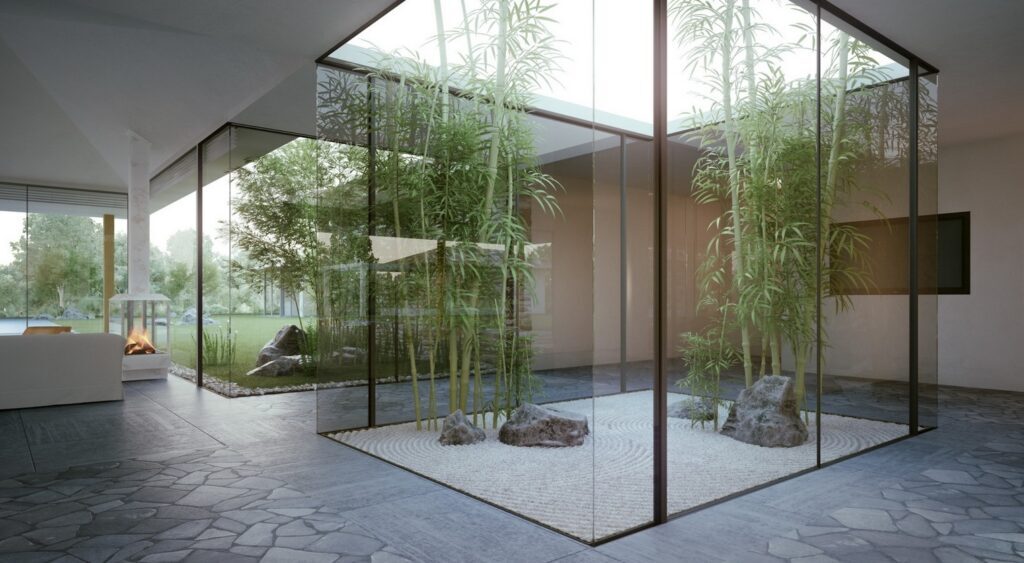
Creating a minimalist garden involves careful consideration of the layout to ensure that each element serves a purpose while maintaining a clean and uncluttered aesthetic. The design should promote tranquility and simplicity, allowing the beauty of the plants and space to shine through. Thoughtful planning will not only enhance the visual appeal of your garden but also create an inviting atmosphere for relaxation and enjoyment.The layout of a minimalist garden is defined by the arrangement of pathways, seating areas, and the use of negative space.
Pathways guide movement through the garden, while seating areas offer spots for respite and contemplation. Negative space, or the empty areas between objects, plays a crucial role in emphasizing the beauty of the plants and features that are intentionally included in the design. By thoughtfully designing these elements, one can create a harmonious environment that embodies minimalism.
Designing Pathways and Seating Areas
Pathways in a minimalist garden should be designed for both functionality and aesthetic appeal. The materials chosen for pathways can range from gravel to paving stones, and they should complement the overall design of the garden. It’s important to ensure that pathways are wide enough to allow comfortable movement while also creating visual interest. Seating areas should be strategically placed to provide views of well-maintained plantings or natural features.
Simple benches or even a few large stones can serve as minimalist seating options, encouraging relaxation without overwhelming the space.When designing pathways and seating areas, consider the following points:
- Use natural materials that blend seamlessly with the environment.
- Maintain straight lines or gentle curves to enhance flow.
- Position seating areas to take advantage of sunlight and shade throughout the day.
- Incorporate low-maintenance elements that reflect minimalist values.
Incorporating Negative Space in Your Layout
Negative space is an essential concept in minimalist gardening, as it emphasizes simplicity and allows the garden’s features to breathe. By intentionally leaving areas devoid of plants or decorations, the beauty of the existing elements is enhanced. Negative space invites the viewer’s eye to rest and appreciate the overall design rather than feeling overwhelmed by clutter.To effectively incorporate negative space into your garden layout, consider the following strategies:
- Leave gaps between plantings to highlight the individual characteristics of each plant.
- Utilize open ground to create visual breaks and prevent a crowded appearance.
- Designate areas for contemplation without plant distractions, promoting a sense of peace.
- Use hardscaping elements to create distinct areas that emphasize emptiness.
Comparing Different Garden Layout Styles for Minimalist Designs
Understanding various garden layout styles can assist in creating a minimalist design that suits your preferences. The table below compares key characteristics of different layout styles relevant to minimalist gardening.
| Layout Style | Characteristics | Suitability for Minimalism |
|---|---|---|
| Linear | Features straight lines and geometric shapes; often includes pathways and defined borders. | Highly suitable due to its simplicity and structured appearance. |
| Symmetrical | Mirrored arrangements on either side of a central axis; creates balance and harmony. | Effective for establishing order and serenity in a minimalist setting. |
| Asymmetrical | Unequal distribution of elements; creates interest while maintaining balance. | Can be used to emphasize certain features while allowing for open space. |
| Zen | Emphasizes rocks, water, and gravel with strategic plant placement; focuses on tranquility. | Aligns perfectly with minimalist principles, promoting simplicity and mindfulness. |
Implementing Sustainable Practices
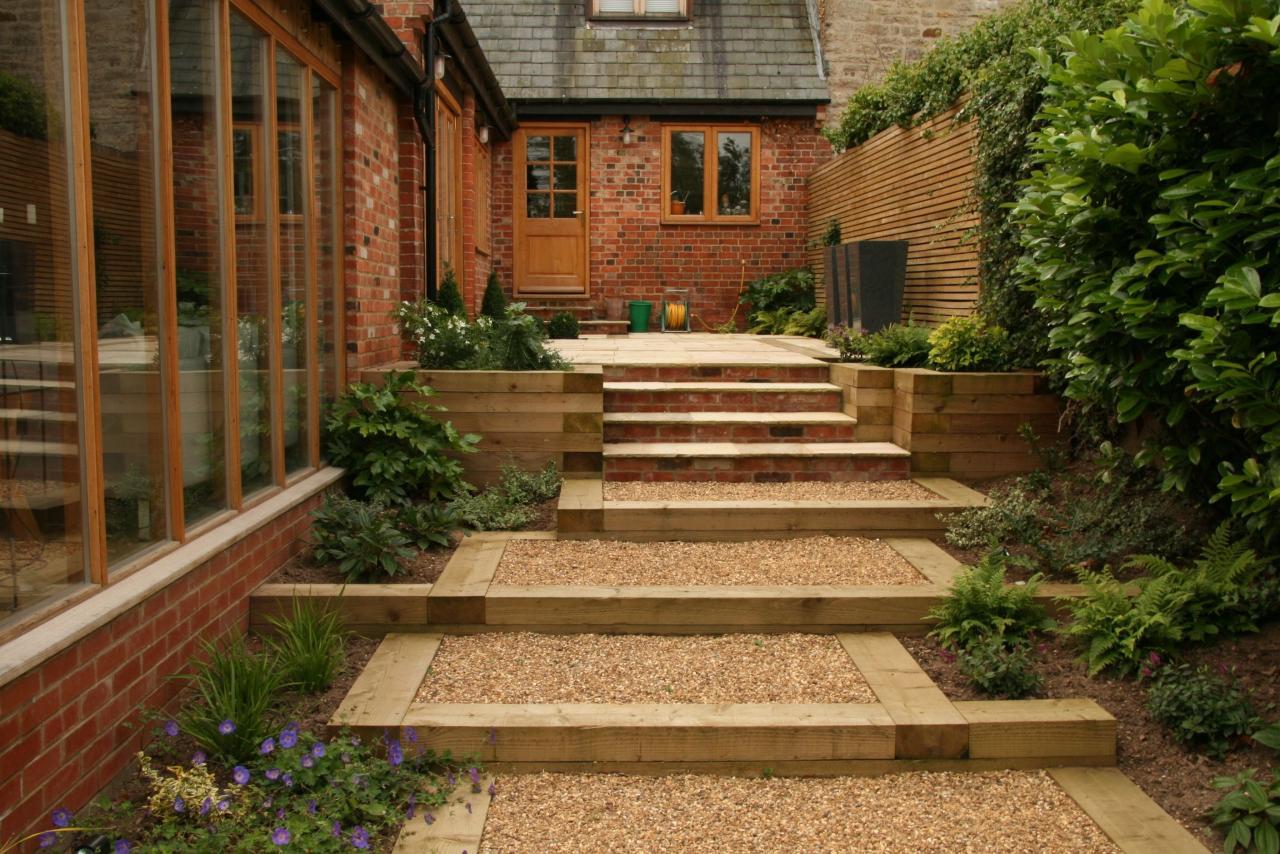
Sustainable gardening practices are integral to a minimalist approach, ensuring that your garden not only looks beautiful but also contributes positively to the environment. By incorporating sustainable techniques, gardeners can reduce waste, conserve resources, and create a thriving ecosystem that aligns with the principles of minimalism. This section delves into various sustainable gardening techniques, eco-friendly materials, and the benefits of composting within the context of a minimalist garden.
Sustainable Gardening Techniques
A variety of sustainable gardening techniques can be employed to maintain a minimalist garden while being environmentally conscious. These approaches focus on reducing the ecological footprint and enhancing the garden’s overall health.
- Permaculture: This holistic design system uses natural ecosystems to create sustainable land-use practices. It emphasizes biodiversity and the interconnection of plants and animals.
- Rainwater Harvesting: Collecting rainwater for garden irrigation reduces dependence on municipal water sources and conserves water.
- Mulching: Applying organic materials like wood chips or straw helps retain moisture, suppress weeds, and slowly adds nutrients back into the soil as it decomposes.
- Crop Rotation: Changing the location of plant families annually helps prevent soil nutrient depletion and reduces the risk of pests and diseases.
Eco-Friendly Materials
Using eco-friendly materials in a minimalist garden supports sustainability and reduces the overall environmental impact. The choice of materials can reflect a commitment to environmental stewardship while enhancing the garden’s aesthetic.
- Recycled Materials: Items such as reclaimed wood, old bricks, and recycled plastics can be repurposed for paths, borders, or planters.
- Natural Stone: Utilizing local stone for garden features minimizes transport emissions and supports local economies.
- Biodegradable Pots: Biodegradable containers made from materials like coconut coir or bioplastics reduce plastic waste.
- Organic Fertilizers: Using compost, manure, and other organic fertilizers promotes soil health without the harmful effects of synthetic chemicals.
Benefits of Composting
Composting is a vital practice in sustainable gardening that aligns perfectly with a minimalist philosophy. It reduces waste and enriches soil health, thereby supporting plant growth in a holistic way.
Composting transforms organic waste into nutrient-rich soil amendments, reducing landfill contributions and creating a sustainable cycle.
Composting can be easily integrated into a minimalist garden by following these simple steps:
1. Choose a Compost Bin
Select a compact compost bin that fits your available space and complements your garden’s aesthetic.
2. Collect Organic Waste
Gather kitchen scraps such as vegetable peels, coffee grounds, and yard waste like grass clippings and leaves.
3. Layering
Alternate layers of ‘green’ materials (nitrogen-rich) and ‘brown’ materials (carbon-rich) in the compost bin to encourage decomposition.
4. Aeration
Regularly turning the compost helps aerate the mixture, speeding up the decomposition process.
5. Use Finished Compost
After several months, the compost will be ready to use, enriching your garden beds and reducing the need for chemical fertilizers.By incorporating these sustainable practices, materials, and composting into a minimalist garden, gardeners can contribute to a healthier planet while enjoying a stunning and low-maintenance outdoor space.
Maintenance Tips for a Minimalist Garden
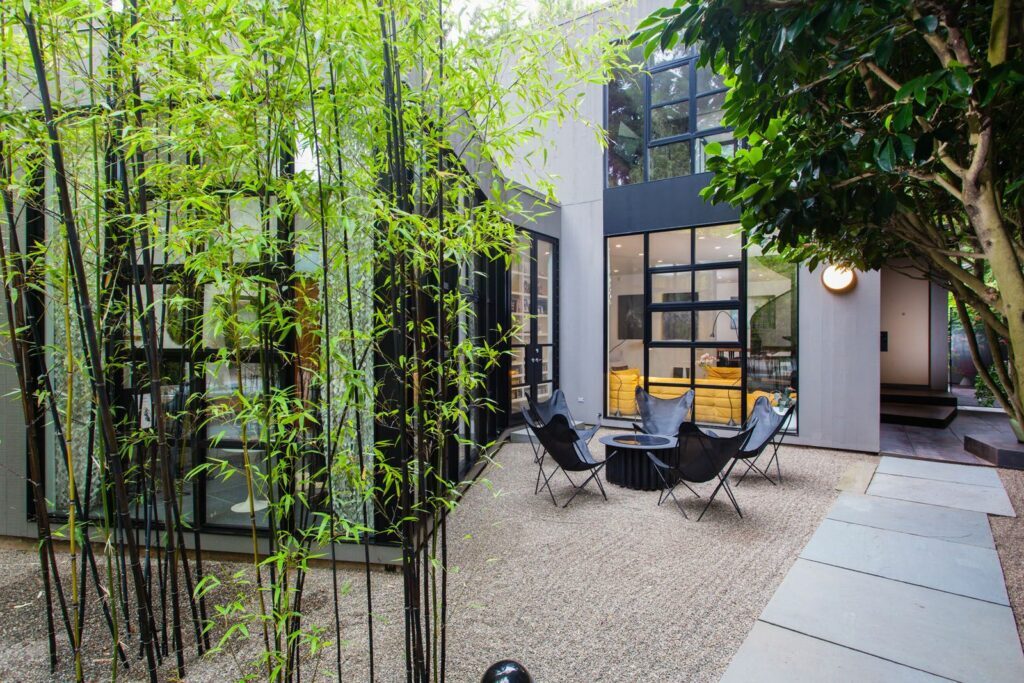
Maintaining a minimalist garden requires a thoughtful approach to ensure that the simplicity and elegance of the design are preserved while promoting plant health and sustainability. Proper maintenance not only enhances the aesthetic appeal but also supports the ecosystem within the garden.A consistent maintenance schedule is crucial for the long-term success of a minimalist garden. By adhering to specific seasonal tasks, garden enthusiasts can prevent common issues and enhance plant vigor.
Below is a seasonal maintenance schedule that emphasizes key tasks for each period of the year.
Seasonal Maintenance Schedule
A well-structured seasonal maintenance schedule ensures that the garden remains healthy and visually appealing throughout the year. The following tasks are essential for each season:
- Spring:
- Remove debris and dead leaves to promote air circulation.
- Prune perennials to encourage new growth.
- Apply organic mulch to retain moisture and suppress weeds.
- Summer:
- Water plants regularly, focusing on deep watering to encourage roots to grow.
- Inspect for pests and diseases, addressing any issues promptly.
- Deadhead flowering plants to prolong blooming.
- Autumn:
- Collect leaves and compost them to enrich soil.
- Cut back perennials after the first frost to prepare for winter.
- Apply a final layer of mulch to insulate the soil.
- Winter:
- Plan and design for the upcoming growing season.
- Inspect garden tools and prepare them for spring use.
- Protect sensitive plants from harsh weather with burlap or frost covers.
Common Pests and Diseases Management
Identifying and managing pests and diseases is vital for maintaining a healthy minimalist garden. Common pests include aphids, slugs, and spider mites, while diseases may consist of powdery mildew and root rot. Sustainable management practices can effectively address these issues without harming the environment.
- Aphids: Use insecticidal soap or introduce natural predators like ladybugs.
- Slugs: Employ barriers such as copper tape or sprinkle diatomaceous earth around plants.
- Spider Mites: Increase humidity around plants and use neem oil as a treatment.
- Powdery Mildew: Improve air circulation and apply a mixture of water and baking soda to affected areas.
- Root Rot: Ensure well-draining soil and avoid overwatering to minimize risks.
The Importance of Mulching and Effective Methods
Mulching serves multiple purposes in a minimalist garden, including moisture retention, temperature regulation, and weed suppression. Effective mulching techniques enhance garden health while maintaining the minimalist aesthetic.
- Types of Mulch: Organic mulches, such as wood chips, straw, or shredded leaves, are beneficial as they decompose and enrich the soil over time.
- Application: Apply a layer of mulch approximately 2-4 inches thick, taking care to keep it away from the base of plants to prevent rot.
- Renewal: Regularly refresh the mulch layer to maintain effectiveness and appearance, usually once or twice a year.
Enhancing Aesthetics with Minimalist Features
In a minimalist garden, aesthetics play a vital role in creating a serene and uncluttered environment. The use of carefully selected decorative elements, along with thoughtfully chosen containers and planters, can elevate the visual appeal of your minimalist space. Furthermore, incorporating water features or sculptures can add character without overwhelming the simplicity of the design.
Decorative Elements That Complement a Minimalist Garden
Integrating the right decorative elements is essential in achieving a cohesive and elegant look in a minimalist garden. Here are some elements to consider:
- Geometric Stone or Pebble Arrangements: Using stones or pebbles arranged in geometric patterns can enhance the structured feel of a minimalist garden.
- Simple Garden Furniture: Selecting sleek, modern outdoor furniture that complements the garden’s design can provide utility without clutter.
- Minimalist Pathways: Pathways made of gravel, wood, or concrete can guide visitors through the garden while maintaining an uncluttered look.
- Low-Profile Lighting: Subtle, low-profile lighting can illuminate features without distracting from the overall design.
- Artistic Planters: Unique, yet simple, planters can serve as focal points without overwhelming the space.
Using Containers and Planters Effectively
Containers and planters are essential tools in minimalist gardening, and their effective use can significantly enhance the aesthetic and functionality of the space. Choosing containers that align with minimalist principles—such as clean lines, neutral colors, and geometric shapes—can contribute to the overall theme. When placing containers, consider the following:
- Group Planting: Grouping containers of varying heights can create visual interest while maintaining the simplicity of design.
- Color Palette: Stick to a monochromatic or limited color palette to ensure that the containers blend seamlessly with the surroundings.
- Spacing: Allow for ample space between containers to maintain an airy and uncluttered look.
- Material Selection: Use materials like concrete, stone, or metal that resonate with the minimalist aesthetic and are durable.
Incorporating Water Features or Sculptures
Water features and sculptures can add an artistic touch to a minimalist garden while enhancing its tranquility. However, it is crucial to select pieces that do not clutter the visual space. Consider these approaches:
- Simple Water Basins: A shallow basin filled with water and surrounded by stones can create a peaceful atmosphere without complexity.
- Linear Water Channels: Narrow water channels can provide movement and sound without taking up significant space.
- Abstract Sculptures: Opt for sculptures with clean lines and an abstract design to maintain the minimalist style while adding a point of interest.
- Reflective Surfaces: Incorporating reflective materials in sculptures or water features can visually expand the space and add depth.
Personalizing Your Minimalist Garden
Creating a minimalist garden does not mean sacrificing personal expression or style. Integrating personal touches into your garden can transform it into a unique and tranquil space that reflects your preferences. By carefully choosing elements that resonate with you while adhering to minimalist principles, you can maintain simplicity and cohesiveness.To successfully personalize your minimalist garden, consider the following ways to infuse your personality into the design while maintaining a refined aesthetic.
Each approach highlights how individuality can coexist with minimalist concepts, allowing for an expressive yet uncluttered environment.
Incorporating Themes and Styles
Selecting a cohesive theme or style can enhance the personal touch of your minimalist garden. Here are some examples of themes that can seamlessly integrate with minimalist design:
- Zen Garden: A Zen garden promotes tranquility and reflection. By incorporating gravel, rocks, and simple plant selections like bamboo or moss, you can create a serene atmosphere.
- Modern Architectural: Focus on geometric shapes and clean lines by using materials such as concrete or metal. This style can include minimalistic furniture and sculptures that align with the overall design.
- Naturalistic: A naturalistic theme emphasizes local flora and fauna. Choose native plants that require minimal maintenance while showcasing natural beauty, such as wildflowers or grasses.
- Color Palette Coordination: Utilize a limited color palette in your plant selection, choosing shades that resonate with your personal taste. Stick to a few complementary colors for flowers and foliage to enhance visual harmony.
Adding personal artifacts or handmade elements can also enrich the minimalist garden’s character. For instance, consider including:
- Handcrafted pots or planters made from natural materials.
- Simple benches or seating areas using reclaimed wood, offering a personal touch and functionality.
- Garden markers with hand-painted designs that reflect your personality and help identify plants.
“The essence of minimalism is not in the objects we own, but in the experiences we cultivate through them.” — Anonymous
Integrating these elements not only personalizes your garden but also ensures it remains a peaceful retreat. Remember, the goal is to create a space that reflects who you are while adhering to the core principles of minimalism.
Conclusive Thoughts
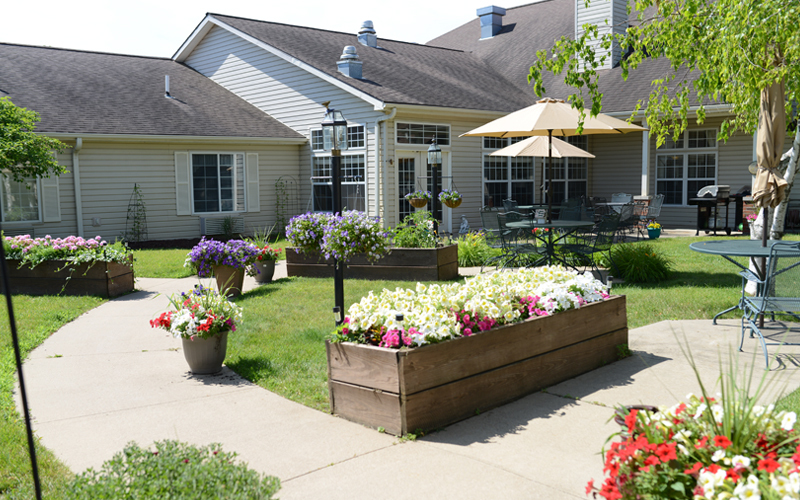
In conclusion, embracing minimalism in your gardening endeavors can lead to a harmonious outdoor environment that is both beautiful and sustainable. By focusing on essential elements, making thoughtful choices, and incorporating personal touches, you can create a minimalist garden that not only enhances your living space but also provides a sanctuary for relaxation and reflection. As you embark on this gardening journey, remember that less can indeed be more, leading to a fulfilling and enriching experience.