How to Meal Plan Like a Minimalist for Less Waste invites you to discover a fresh perspective on meal preparation that not only simplifies your cooking routine but also significantly reduces waste. By adopting minimalist principles, you can transform your approach to food, making it more sustainable and enjoyable.
This guide will walk you through understanding the essence of minimalism in meal planning, assessing your current habits, and creating efficient meal plans that prioritize freshness and versatility. With insights into batch cooking, creative uses for leftovers, and sustainable shopping practices, you will be equipped to embrace a lifestyle that minimizes waste and maximizes satisfaction.
Understanding Minimalism in Meal Planning
Embracing minimalism in meal planning involves a conscious effort to simplify choices, reduce excess, and focus on quality over quantity. This approach aligns with the broader principles of minimalism, which advocate for living with intention and purpose. In meal planning, this translates to selecting a limited number of ingredients and recipes that nourish the body while minimizing waste.The benefits of adopting a minimalist approach to meal planning are profound, particularly in reducing waste.
By focusing on a few essential ingredients, individuals can ensure that food is used efficiently, leading to less spoilage and fewer leftovers. This method not only contributes to environmental sustainability but also promotes mindful consumption, where each meal is cherished rather than taken for granted.
Principles of Minimalism in Meal Planning
Understanding the core principles of minimalism can significantly enhance the meal planning process. Key aspects include:
- Intentionality: Every ingredient should serve a purpose, allowing for meals that are both satisfying and nourishing.
- Simplicity: Fewer ingredients lead to simpler recipes, making meal preparation quicker and easier.
- Quality over Quantity: Focusing on high-quality, seasonal ingredients rather than a wide array of options enhances flavor and nutrition.
- Mindfulness: Engaging in the cooking process with full attention fosters appreciation for food and reduces chances of waste.
Mindset Shifts for Minimalist Cooking and Shopping
Embracing minimalism in meal planning requires significant shifts in mindset. Transitioning from a traditional shopping mentality to a minimalist one involves the following considerations:
- Planning Ahead: Allocate time to plan meals for the week, focusing on versatile ingredients that can be used in multiple recipes, such as grains, legumes, and seasonal vegetables.
- Buying in Bulk: Purchasing items in bulk can reduce packaging waste and allow for better portion control, minimizing the likelihood of food spoilage.
- Emphasizing Freshness: Opt for fresh, local produce to reduce carbon footprints associated with transportation and to enjoy the best flavors and nutrients.
- Embracing Leftovers: Incorporate leftover ingredients into new meals to minimize waste and promote creativity in the kitchen.
“Minimalism encourages a lifestyle of quality, intention, and awareness; principles that extend beautifully into our food choices and meal planning.”
Assessing Your Current Meal Planning Habits
Assessing your current meal planning habits is a crucial step in adopting a minimalist approach that emphasizes efficiency and waste reduction. This process allows you to identify areas where improvements can be made, ultimately leading to a more sustainable lifestyle. By understanding and evaluating your food consumption and waste patterns, you can create a meal planning strategy that not only minimizes waste but also aligns with your personal needs.Recognizing common pitfalls in traditional meal planning is vital for effective waste reduction.
Many individuals fall into the trap of over-purchasing ingredients and underutilizing them due to lack of planning or awareness. Inadequate tracking of what is already available in your pantry or fridge often leads to duplicate purchases, which exacerbates food waste. By evaluating your consumption habits regularly, you can gain insight into your actual needs versus what is bought impulsively.
Identifying Common Pitfalls in Traditional Meal Planning
Traditional meal planning can often be fraught with inefficiencies that lead to unnecessary waste. Recognizing these pitfalls is the first step toward more effective planning. Consider the following common issues:
- Overbuying perishable items that are not consumed before they spoil, such as fresh produce and dairy products.
- Neglecting to utilize leftovers, which can lead to food going to waste.
- Creating meal plans that do not account for personal preferences or dietary restrictions, resulting in uneaten meals.
- Failing to assess pantry items regularly, leading to duplicate purchases and food waste.
Understanding these pitfalls allows you to make informed decisions that support a minimalist approach to meal planning.
Evaluating Your Food Consumption and Waste Patterns
To effectively minimize waste, it is essential to evaluate your food consumption and waste patterns. This can be accomplished through simple tracking methods:
- Maintain a food diary for one month to record what you buy, how much you consume, and what goes to waste. This will reveal patterns in your shopping and eating habits.
- Analyze the types of foods that are frequently wasted. By identifying these items, you can adjust your purchasing decisions accordingly.
- Utilize digital apps or spreadsheets to track inventory in your pantry and fridge, ensuring that you utilize items before they expire.
By implementing these evaluation methods, you can gain valuable insights that inform your meal planning.
Creating a Baseline for Needs Versus Purchases
Establishing a baseline for what you actually need versus what you buy is crucial in creating an effective meal planning strategy. This process involves analyzing your consumption data and making informed adjustments. To establish this baseline:
- Review your food diary or inventory logs to identify your average weekly consumption of various food items.
- Consider seasonal produce and plan meals around these items to reduce the likelihood of waste.
- Set specific goals for reducing waste, such as minimizing purchases of perishable items that often go unused.
By focusing on these strategies, you align your purchasing habits with your actual consumption needs, significantly reducing waste and supporting a minimalist approach to meal planning.
Creating a Minimalist Meal Plan

A minimalist approach to meal planning not only reduces waste but also makes the cooking process simpler and more enjoyable. By focusing on fewer ingredients and versatile dishes, you can create a meal plan that nourishes your body while minimizing your environmental impact. This section will Artikel how to design a simple weekly meal plan, highlight versatile ingredients, and organize an efficient shopping list.
Designing a Simple Weekly Meal Plan
Creating a minimalist meal plan involves selecting meals that require a limited number of ingredients while still offering nutritional value and variety. The goal is to simplify your cooking routine and reduce food waste. Below is an example of a simple weekly meal plan that emphasizes versatility:
- Breakfast: Oatmeal with fruits (e.g., bananas, berries) and nuts (e.g., walnuts, almonds)
- Lunch: Quinoa salad with spinach, cherry tomatoes, cucumbers, and a lemon vinaigrette
- Dinner: Stir-fried vegetables (e.g., bell peppers, broccoli, carrots) with tofu or chicken served over brown rice
- Snacks: Hummus with carrot and cucumber sticks, or sliced apples with peanut butter
This meal plan utilizes some core ingredients across different meals, making it easy to prepare and reducing spoilage.
Examples of Versatile Ingredients
Selecting versatile ingredients is essential in a minimalist meal plan. These ingredients can be used in multiple dishes throughout the week, which helps streamline both shopping and cooking. Some examples of versatile ingredients include:
- Rice: A staple that can be served as a base for stir-fries, salads, or paired with curries.
- Eggs: Suitable for breakfast, added to salads, or used in baking.
- Spinach: Can be used in salads, smoothies, or cooked dishes.
- Chickpeas: Great in salads, soups, or as a base for hummus.
- Tomatoes: Can be used fresh in salads, cooked in sauces, or blended for soups.
Using these versatile ingredients allows for creativity in meal preparation while keeping the grocery list concise.
Organizing a Shopping List
An efficient shopping list is vital for a successful minimalist meal plan. It should prioritize fresh produce and limit processed foods, thus ensuring a healthier diet with minimal waste. Here is an organized shopping list based on the previous meal plan:
- Fresh Produce:
- Spinach
- Cherry tomatoes
- Cucumbers
- Carrots
- Bell peppers
- Broccoli
- Bananas
- Berries
- Apples
- Grains and Legumes:
- Oats
- Quinoa
- Brown rice
- Chickpeas
- Proteins:
- Tofu or chicken
- Eggs
- Nuts and Seeds:
- Walnuts
- Almonds
- Peanut butter
- Condiments:
- Olive oil
- Lemon for vinaigrette
- Hummus
Prioritizing fresh produce not only enhances the quality of meals but also supports sustainability by reducing reliance on pre-packaged items, leading to a healthier and more environmentally-friendly lifestyle.
Batch Cooking and Meal Prep Techniques
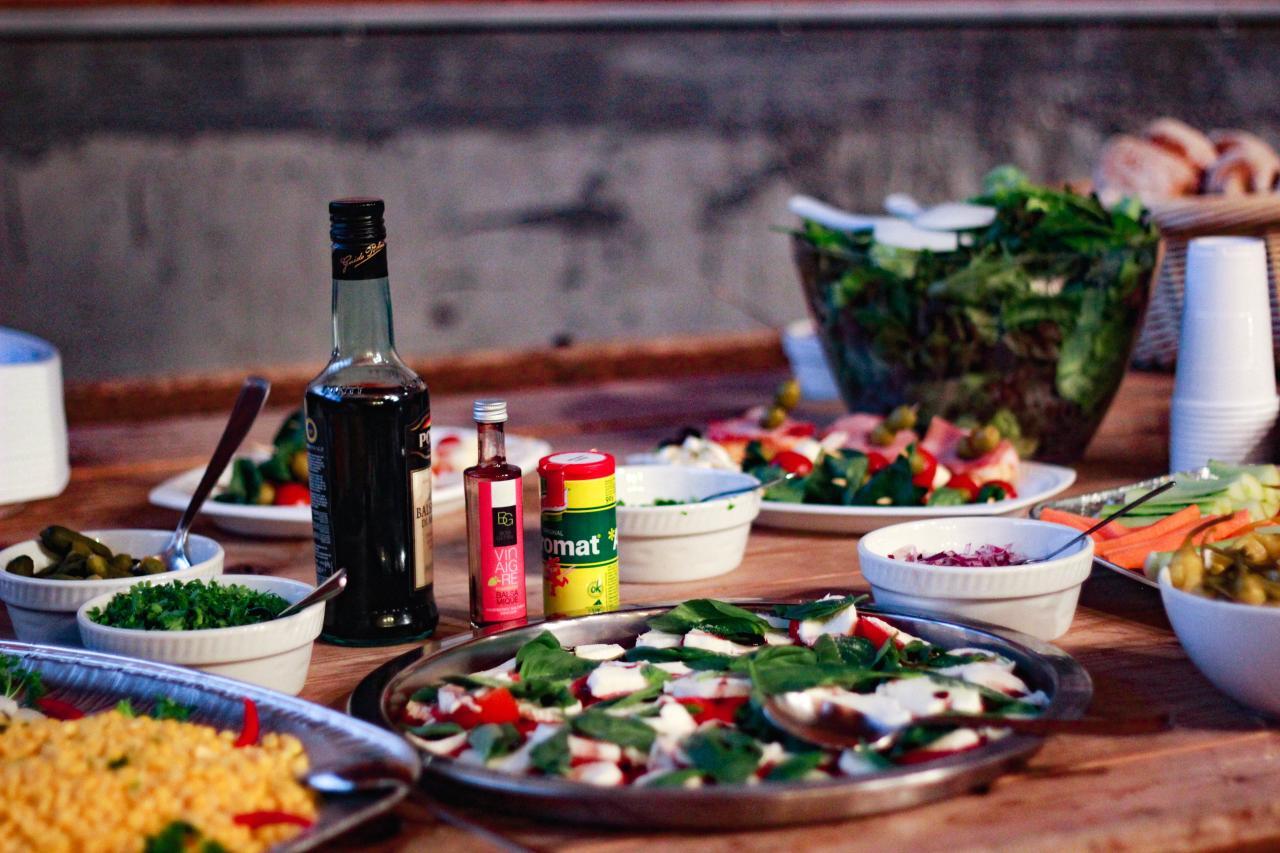
Batch cooking is a strategic approach to meal preparation that involves cooking large quantities of food at once to ensure efficiency and reduce food waste. By preparing meals in bulk, individuals can make the most of their ingredients, minimizing spoilage and allowing for a more streamlined approach to eating healthy. This technique not only saves time during the week but also encourages mindful consumption, as leftovers can be repurposed into new dishes or frozen for future use.The process of effective meal prep is crucial for achieving the benefits of batch cooking.
This involves a series of organized steps that help streamline the entire operation, ensuring that resources are used efficiently while saving time. Below are essential steps to follow when implementing batch cooking and meal prep techniques.
Step-by-Step Procedures for Effective Meal Prep
Establishing a robust meal prep routine is key to making batch cooking successful. The following steps Artikel a systematic approach to meal prep that can save both time and resources:
1. Plan Your Meals
Start by selecting recipes for the week. Consider using seasonal ingredients, which tend to be cheaper and fresher. Create a shopping list based on these recipes to avoid impulse purchases.
2. Grocery Shopping
Purchase all necessary ingredients in one trip. This method ensures that you have everything needed for your meal plan, reducing the likelihood of food waste from unplanned purchases.
3. Prep Ingredients
Wash, chop, and portion your ingredients immediately after coming home from the grocery store. This step can include marinating proteins or pre-cooking grains, which can save time during the week.
4. Cook in Bulk
Choose a day, often the weekend, to cook in larger quantities. Double recipes or prepare multiple servings of staple dishes, such as soups or casseroles, which can be easily reheated.
5. Portioning
After cooking, divide meals into individual portions. This process allows for easy access to meals throughout the week and encourages mindful eating practices.
6. Labeling
Clearly label containers with the name of the dish and the date it was prepared. This practice helps you keep track of freshness and prioritize consumption of meals based on their preparation date.
Storage Methods for Preserving Food Longevity and Freshness
Proper storage techniques are vital to maintaining the quality and safety of prepared meals. Utilizing appropriate methods enhances food longevity and minimizes waste. Consider the following effective storage methods:
Refrigeration
Store meals in airtight containers in the refrigerator for up to four days. Use shallow containers to ensure quick cooling and reduce the risk of bacterial growth.
Freezing
For longer storage, freeze meals in portioned servings. Freezing soups, stews, and cooked grains works particularly well. Ensure to expel excess air from bags to prevent freezer burn.
Vacuum Sealing
For optimal freshness, vacuum seal meals prior to freezing. This method removes air, thereby reducing the likelihood of spoilage and maintaining flavor and texture.
Glass Containers
Using glass containers for storage not only allows for easy reheating but also prevents leaching of chemicals into food, which can be a concern with plastic containers.By adopting batch cooking and meal prep techniques, individuals can significantly reduce food waste, save time, and foster a sustainable approach to eating. Implementing these practices creates a more mindful eating experience while also being financially savvy.
Utilizing Leftovers Creatively

Transforming leftovers into new meals is an essential skill for minimizing food waste while maximizing flavor and variety in your diet. By creatively repurposing what may otherwise be considered waste, you can enhance your meal planning and promote sustainability in your kitchen. This section will explore innovative ways to use leftovers, ensuring that your meals remain exciting and enjoyable.
Transforming Leftovers into New Meals
Using leftover ingredients can lead to delicious new dishes that keep your meals fresh and prevent food wastage. Here are several ideas to creatively utilize your leftovers:
- Soups and Stews: Combine various leftover vegetables, meats, or grains into a hearty soup or stew. For instance, leftover roasted chicken can be mixed with any remaining vegetables and stock to create a comforting dish.
- Salads: Incorporate leftover proteins such as grilled fish or chicken into salads. Pair them with leftover grains like quinoa or rice, adding fresh greens and a vinaigrette for a revitalizing meal.
- Wraps and Sandwiches: Use leftover meats and vegetables to fill wraps or sandwiches. An example would be a turkey wrap combined with leftover roasted peppers and a spread of hummus or avocado.
- Frittatas or Omelets: Eggs are a versatile way to utilize various leftovers. You can create a frittata or omelet by incorporating leftover vegetables and cheeses, making for a nutritious breakfast or brunch.
- Pasta Dishes: Leftover pasta can be reimagined as a new dish by adding different sauces or vegetables. For instance, leftover spaghetti can become a baked pasta dish by layering with cheese and sauce and baking until bubbly.
Storing and Reheating Leftovers Safely
Proper storage and reheating techniques are vital for maintaining food safety and quality. Following these guidelines will ensure your leftovers remain safe to eat and retain their flavor:
- Cool Quickly: Allow leftovers to cool to room temperature before refrigerating, ideally within two hours of cooking.
- Use Airtight Containers: Store leftovers in airtight containers to prevent contamination and retain freshness. Glass or BPA-free plastic containers are preferred.
- Label and Date: Clearly label containers with the contents and date of storage to keep track of freshness. Consume stored leftovers within three to four days for optimal safety.
- Reheat Thoroughly: When reheating, ensure that leftovers reach an internal temperature of 165°F (74°C) to eliminate harmful bacteria. Stirring food while reheating can help achieve even temperature distribution.
Incorporating Leftovers into Future Meal Plans
Incorporating leftovers into your meal plans can enhance variety without redundancy. By thinking ahead and utilizing ingredients from previous meals, you can streamline your cooking process. Consider the following strategies:
- Plan with Versatility in Mind: Choose recipes that can be easily adapted with leftover ingredients. For example, if you make a roast, plan to use the meat in various forms such as salads, sandwiches, or stir-fries during the week.
- Invent New Recipes: Be inspired by the ingredients you have on hand. Create a “leftover night” where you experiment with different combinations, allowing creativity to dictate the menu.
- Keep a Leftover Journal: Maintain a list or journal of what leftovers you have at the start of each week. This can help you remember what to use in upcoming meals, minimizing the chances of repeat dishes.
- Use Leftover Ingredients as a Base: Start with a base ingredient from leftovers, such as rice or roasted vegetables, and build new meals around them to create diverse and flavorful dishes.
Sustainable Shopping Practices

Sustainable shopping practices are integral to a minimalist meal planning approach, as they not only reduce waste but also promote a healthier lifestyle and environment. By being intentional about where and how we shop, we can ensure that the ingredients we use in our meal planning are fresh, seasonal, and produced with care for the planet.Identifying local resources for sourcing fresh, seasonal, and sustainable ingredients fosters a connection between consumers and their food sources while encouraging a more environmentally friendly approach.
Local farmers’ markets, community-supported agriculture (CSA) programs, and neighborhood co-ops are excellent starting points for finding quality produce. These venues often provide organic options and reduce the carbon footprint associated with transporting goods over long distances.
Importance of Choosing Bulk Items
Choosing bulk items is a practice that significantly contributes to reducing packaging waste, which is a major concern in today’s consumer-driven society. Purchasing in bulk minimizes the need for excessive packaging materials and allows for greater control over portion sizes, which aligns with minimalist principles. Incorporating bulk items into your shopping routine can be achieved through the following methods:
- Utilizing bulk bins at grocery stores for grains, nuts, and spices to reduce single-use packaging.
- Shopping from local producers who offer bulk options, such as dairy or meat products, to minimize waste.
- Pooling resources with friends or neighbors to buy larger quantities collectively, dividing the items afterward to reduce waste while still enjoying variety.
“Reducing packaging waste not only benefits the environment but also promotes a simpler, more intentional way of living.”
Creating a Shopping Routine
Establishing a shopping routine that aligns with minimalist principles helps streamline the shopping experience and reduces decision fatigue. A well-structured routine can lead to more mindful purchasing, ensuring that each item brought home serves a purpose in meal planning.Key components for an effective minimalist shopping routine include:
- Planning shopping trips around local farmers’ market schedules to ensure a fresh selection of seasonal produce.
- Designating specific days of the week for shopping to avoid last-minute decisions that often lead to wasteful purchases.
- Keeping a running list of needed items, focusing on essentials to limit unnecessary spending and consumption.
By integrating these sustainable shopping practices into your meal planning routine, you can achieve a more minimalist lifestyle while actively contributing to the well-being of your community and the planet.
Evaluating and Adjusting Your Meal Plan
To maximize the effectiveness of your minimalist meal plan and minimize waste, regular evaluation and adjustment are essential. This process not only helps in identifying areas of improvement but also ensures that your meal planning aligns with your evolving preferences and seasonal ingredient availability. By establishing a feedback loop and being adaptable, you can create a meal plan that is both effective and satisfying for all household members.Monitoring your meal plan’s effectiveness involves tracking waste and gathering insights from those who share your meals.
One method is to keep a waste journal where you note the types and quantities of food discarded each week. This will help you identify patterns and adjust portion sizes or recipe choices accordingly. Additionally, incorporating regular feedback sessions with your household can enhance the meal planning process.
Monitoring Waste and Gathering Feedback
Establishing methods for monitoring waste helps build a clearer picture of your meal plan’s effectiveness. Feedback from household members regarding meal satisfaction is also crucial. Consider these strategies:
Waste Journal
Maintain a record of food that is discarded or unused. This can highlight trends in purchasing and preparation that lead to waste.
Weekly Feedback Meetings
Set aside time each week for a brief discussion about the meals prepared. Encourage everyone to share their thoughts on what they enjoyed and what could be improved.
Satisfaction Surveys
Create simple surveys for each family member to fill out after meals. This can include rating dishes and providing comments on preferences.
Portion Adjustment
Adjust portion sizes based on feedback and waste observed over time. For instance, if certain meals repeatedly result in leftovers, consider reducing the quantity prepared for future instances.Regularly evaluating and adjusting your meal plan based on these insights will help you create a more tailored and waste-free cooking experience.
Adapting to Seasonal Availability and Personal Preferences
Flexibility in meal planning allows for better alignment with seasonal food availability and personal likes. Seasonal ingredients not only enhance flavor but can also be more cost-effective and sustainable. Consider these strategies for adapting your meals:
Seasonal Menus
Create a list of seasonal fruits and vegetables, and plan meals around these ingredients. For example, summer might focus on tomatoes and zucchini, while winter could emphasize root vegetables and squash.
Monthly Review
At the end of each month, review your meal plan and highlight ingredients that are in season for the upcoming month. This keeps your meals fresh and interesting.
Recipe Rotation
Regularly rotate your favorite recipes based on seasonal ingredients. For instance, a hearty vegetable soup can be made with whatever is in season in the cooler months.
Personal Preference Updates
Encourage family members to share their evolving preferences, making note of any new ingredients or dishes they enjoy. This ensures that your meal plans remain appealing and engaging over time.By incorporating these strategies, your meal plan can evolve to meet changing tastes and maximize the use of seasonal produce, leading to less waste and a more enjoyable cooking experience.
Closing Notes
In conclusion, embracing the principles of minimalism in your meal planning can lead to a more sustainable and fulfilling approach to cooking and consumption. By implementing the strategies discussed, you can create a meal plan that not only reduces waste but also aligns with your values and lifestyle. Take the first step today and enjoy the benefits of mindful meal preparation.