Decluttering is not merely an act of tidying up; it is an essential practice that contributes significantly to both mental and physical well-being. Embracing a clutter-free environment can lead to enhanced productivity and reduced stress, making it an important endeavor for many households. Yet, despite its benefits, individuals often encounter numerous challenges when initiating the decluttering process, such as feeling overwhelmed or unsure of where to begin.
This guide will provide you with a step-by-step approach to decluttering each room in your home, allowing you to regain control over your living space. By tackling one room at a time, you will find that the task becomes more manageable, and you can create a checklist tailored to each area of your home. From the living room to the garage, we will explore effective strategies that will make your decluttering journey both systematic and rewarding.
Introduction to Decluttering
Decluttering is not merely a process of organizing items; it is a significant undertaking that can greatly enhance both mental and physical well-being. The act of removing excess clutter from one’s living space creates an environment that fosters tranquility, productivity, and clarity of thought. The significance of this process is profound as it replenishes our living areas and, subsequently, our minds.Research indicates that individuals who engage in decluttering experience a substantial reduction in stress levels and an increase in productivity.
According to a study conducted by the Princeton University Neuroscience Institute, clutter can significantly hinder our ability to focus. The study revealed that participants working in cluttered environments exhibited higher stress levels and were less able to concentrate. This relationship underscores the importance of maintaining an organized space for optimal mental functioning.
Common Challenges in Decluttering
While the benefits of decluttering are clear, many individuals encounter various obstacles when beginning this journey. Understanding these challenges can empower individuals to confront them effectively. Here are some common difficulties faced during the decluttering process:
- Emotional Attachment to Items: Many people find it challenging to part with possessions that hold sentimental value, leading to indecision and prolonged clutter.
- Overwhelm from the Task: The sheer volume of items in a space can be daunting; this overwhelming sensation often results in procrastination.
- Lack of Time: Busy schedules can make it difficult to dedicate time to decluttering, causing the task to be postponed indefinitely.
- Unclear Goals: Without a clear vision of desired outcomes, individuals may struggle to determine what should be kept or discarded.
- Fear of Regret: The concern that one might need an item in the future can lead to hesitation in the decision-making process.
Understanding these challenges is key to developing strategies to address them effectively. By acknowledging these obstacles, individuals can create a structured and manageable approach to decluttering that ultimately leads to a more serene and organized living environment.
Room by Room Decluttering Approach
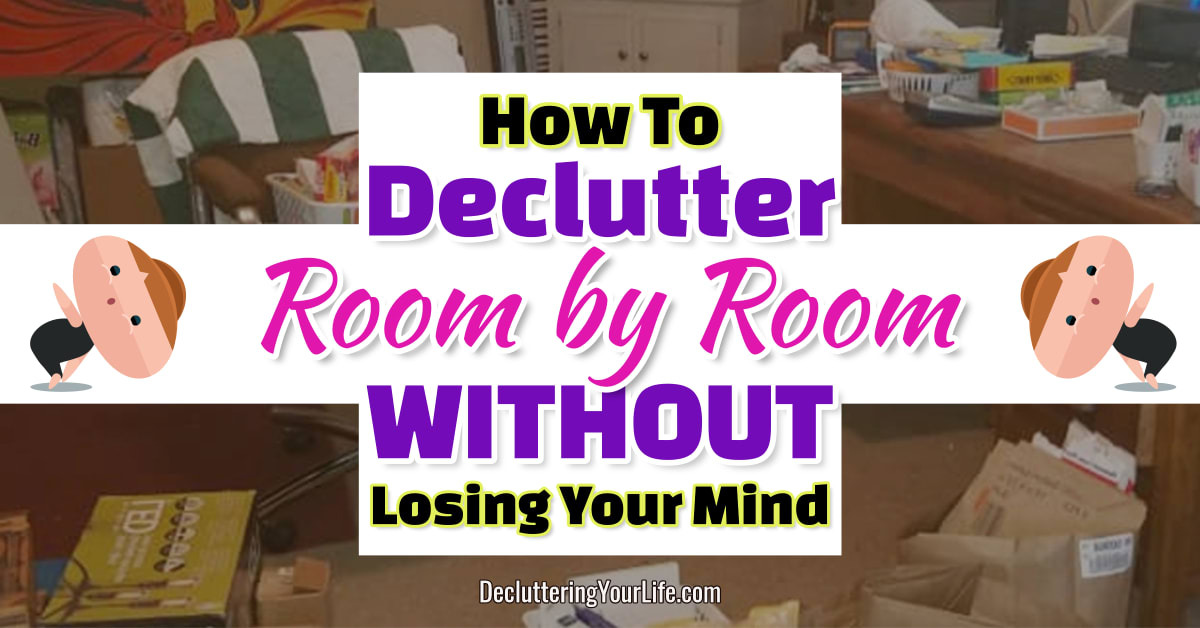
The room by room decluttering approach offers a structured method for organizing your home, allowing you to tackle one space at a time. This technique not only makes the task more manageable but also provides a sense of accomplishment as you see immediate results in each individual room. By focusing on one area, you can cultivate a more organized environment without feeling overwhelmed by the enormity of the entire house.Incorporating a step-by-step method ensures a systematic approach to decluttering.
This method emphasizes thoroughness and allows for reflection on each item’s value and necessity in your life. When tackling your home room by room, it is important to develop a clear strategy to maximize efficiency and effectiveness.
Step-by-Step Method for Effective Room-by-Room Decluttering
The following step-by-step method can help streamline your decluttering process in an efficient manner.
1. Choose a Room
Select a room to focus on. Start with a small space, like a bathroom or closet, before moving to larger areas.
2. Set a Timer
Allocate a specific amount of time to work on decluttering this room, such as 30 minutes to one hour. This creates a sense of urgency and keeps you motivated.
3. Gather Supplies
Have boxes or bags ready for items you want to keep, donate, recycle, or throw away. Label each accordingly to avoid confusion.
4. Tackle One Area at a Time
Focus on one section of the room, such as a drawer, shelf, or corner. This approach prevents you from feeling overwhelmed and allows you to concentrate on the task at hand.
5. Evaluate Each Item
Consider the necessity and emotional value of each item. Ask yourself if the item is used regularly, if it holds sentimental value, or if it brings you joy.
6. Make Decisions
Based on your evaluation, decide whether to keep, donate, recycle, or discard each item. Place each item in the designated box or bag.
7. Organize and Clean
Once you have sorted through everything, clean the area and organize the items you are keeping. Consider using storage bins or baskets for better organization.
8. Repeat as Necessary
Move on to the next area or room, and repeat the process until your home is decluttered.
Checklist for Items to Declutter in Each Room
Utilizing a checklist can help ensure a thorough decluttering process in each room. Below is a comprehensive checklist that can be adapted to various spaces in your home. Living Room
- Old magazines and newspapers
- Unused electronics or cables
- Excessive decorative items
- Outdated DVDs or games
- Furniture that no longer fits your style
Kitchen
- Expired food items
- Duplicate utensils or gadgets
- Unused small appliances
- Extra dishes or silverware
- Old cookbooks or recipes
Bedroom
- Unworn clothing or shoes
- Outdated or damaged bedding
- Unused accessories or jewelry
- Books you will not read again
- Items stored under the bed
Bathroom
- Expired medications or products
- Unused towels or linens
- Old toiletries or cosmetics
- Sample products never used
- Empty containers
Home Office
- Unorganized paperwork or documents
- Old office supplies
- Unused technology or peripherals
- Books you no longer need
- Duplicated items
Decluttering room by room creates a sense of accomplishment and allows for a more organized living space.
Living Room Decluttering
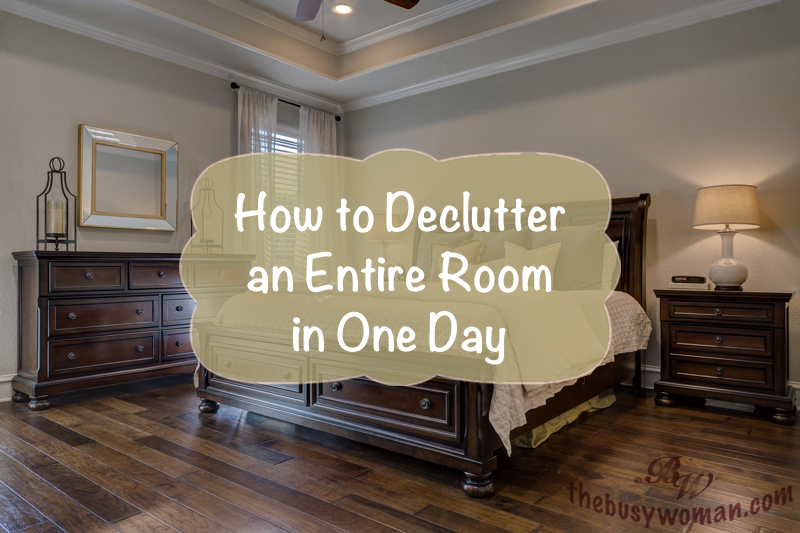
The living room often serves as the heart of the home, a space for relaxation, entertainment, and social gatherings. However, it can quickly become cluttered with items that accumulate over time. A focused decluttering process can transform this space into a sanctuary of comfort and order, enhancing both its functionality and aesthetic appeal.To effectively declutter your living room, it is essential to target specific items that tend to create disarray.
Identifying what to focus on will make the process more structured and manageable. The following areas are crucial to consider: furniture, electronics, and decorations. Each component requires a thoughtful approach to ensure a harmonious living environment.
Furniture Organization
Begin by evaluating the furniture in your living room. The goal is to create a comfortable layout while minimizing clutter. Consider the following steps when assessing your furniture:
- Assess each piece for functionality and necessity. Determine if it serves a purpose or if it can be removed.
- Check for hidden storage options in current furniture, such as ottomans or coffee tables with compartments.
- Rearrange furniture to optimize space and improve flow, ensuring there is enough room to navigate comfortably.
Electronics Management
Electronics can easily contribute to visual and physical clutter if not managed correctly. A well-organized electronic setup can enhance your living experience. Follow these guidelines:
- Review all electronic devices, including TVs, gaming consoles, and remote controls. Dispose of or donate items that are no longer functional or relevant.
- Organize cables and wires using cable management solutions such as clips, sleeves, or boxes to prevent tangling and improve aesthetics.
- Maintain a designated area for charging devices, ensuring they are not strewn across surfaces.
Decoration Simplification
Decorations can add personality to your living room, but an excess can lead to clutter. A streamlined approach to decor will help maintain a clean look. Consider the following strategies:
- Evaluate decorative items and remove duplicates or items that no longer resonate with your style.
- Opt for a few statement pieces rather than numerous small items to create a more elegant appearance.
- Utilize shelves or display cabinets to organize and showcase decorative items, keeping surfaces clear.
Maintenance of a Clutter-Free Living Room
After the decluttering process, implementing strategies for ongoing maintenance is essential. These practices will help ensure your living room remains a clutter-free environment:
- Establish a daily tidying routine, dedicating a few minutes each day to put items back in their designated places.
- Introduce a “one in, one out” rule where for every new item brought into the living room, an old item must be removed.
- Encourage family members or housemates to participate in maintaining cleanliness, fostering a collective sense of responsibility.
“A clutter-free living room is not just about aesthetics; it creates an atmosphere of peace and relaxation.”
Kitchen Decluttering
Decluttering the kitchen can significantly enhance both its functionality and aesthetics, promoting a more efficient cooking environment. A well-organized kitchen not only contributes to a more enjoyable culinary experience but also encourages healthier eating habits by making food more accessible.When approaching kitchen decluttering, it is essential to assess which appliances and utensils are truly necessary. Often, many items accumulate over time, leading to clutter that can hinder your cooking process.
Identifying these excess items can streamline your kitchen space effectively.
Identifying Appliances and Utensils for Decluttering
To create a more functional kitchen, focus on evaluating your appliances and utensils critically. Begin by considering the frequency of use and the necessity of each item. Here are some categories and examples to assist in this evaluation:
- Appliances: Consider parting with rarely used appliances such as bread makers, deep fryers, or ice cream machines. If an appliance has not served its purpose in the past year, it may be time to let it go.
- Utensils: Evaluate your collection of spatulas, whisks, and measuring cups. Retain only those items that are essential and in good condition. Discard duplicates or those that are damaged.
- Cookware: Assess pots and pans. If you have more than you can use, determine which pieces are your go-to options and consider donating the rest.
Organizing Pantry Items and Food Storage
A well-organized pantry not only helps you find ingredients quickly but also prevents food waste. To maximize your pantry space and maintain order, consider the following strategies:
- Group Similar Items: Arrange food items by category—grains, canned goods, snacks, and spices. This organization makes it easier to locate items and understand what you have on hand.
- Use Clear Containers: Store food in clear, labeled containers to easily see what is available. This practice also helps in maintaining freshness and reducing packaging waste.
- Implement FIFO Method: Organize pantry items using the First In, First Out (FIFO) method to ensure older items are used before newer purchases, minimizing spoilage.
Methods for Keeping Kitchen Surfaces Clear and Functional
Maintaining clear and functional kitchen surfaces is vital for both safety and efficiency. The following methods can help achieve this goal:
- Limit Countertop Appliances: Store appliances that are not used daily, such as blenders or toasters, in cabinets to free up valuable counter space.
- Create a ‘Drop Zone’: Designate a specific area for items that tend to clutter surfaces, such as mail or shopping bags. This could be a small basket or tray to contain these items.
- Regular Cleaning Routine: Implement a daily or weekly cleaning routine to wipe down surfaces and remove clutter before it accumulates. This proactive approach keeps your kitchen looking tidy.
“A clutter-free kitchen fosters a sense of peace and promotes a more enjoyable cooking and dining experience.”
Bedroom Decluttering
The bedroom is a personal sanctuary that plays a vital role in our well-being and relaxation. A cluttered space can hinder the peaceful atmosphere that we seek from our bedrooms. By employing effective strategies to declutter this important area, we can create a serene environment that promotes better rest and organization.To effectively declutter a bedroom, attention should be focused on wardrobes, dressers, and the organization of personal items such as books, electronics, and accessories.
Additionally, managing paperwork and personal documents is crucial in maintaining an orderly environment.
Wardrobe and Dresser Decluttering Strategies
The first step in decluttering wardrobes and dressers involves assessing the current contents. Begin by removing all items from these spaces and categorizing them. This strategy allows for a clearer view of what is being kept and what can be discarded. To guide this process, consider the following steps:
- Evaluate each item: Ask yourself if you have worn the item in the past year or if it brings you joy. If not, it may be time to part ways.
- Sort items into categories: Create piles for ‘keep’, ‘donate’, ‘discard’, and ‘repair’. This will simplify the decision-making process.
- Maximize space: Use organizers, such as drawer dividers and hanging shelves, to keep items visible and easily accessible. This helps maintain order after decluttering.
- Follow the one-in-one-out rule: Ensure that for every new item you bring into your wardrobe, an existing one should be removed. This maintains the decluttered state.
Organization of Personal Items
Personal items such as books, electronics, and accessories can quickly accumulate and contribute to clutter. Organizing these items not only enhances aesthetics but also makes it easier to find what you need. To achieve this, consider the following organization techniques:Begin with a thorough assessment of your personal items, then employ these strategies:
- Group similar items: Keep all books together on a shelf, and place electronic devices in a designated area. This makes retrieval simple and efficient.
- Use storage solutions: Invest in attractive bins or boxes for accessories and chargers. Labeling them will provide clarity and assist in maintaining order.
- Display selectively: Choose a few cherished items to display, reducing visual clutter while still showcasing your personality.
Managing Paperwork and Personal Documents
In the bedroom, it is common for paperwork and personal documents to accumulate, leading to disorganization. Creating an effective system to manage these documents is essential. A well-structured approach will help keep your space tidy and ensure important documents are easily accessible.Implement these practical steps:
- Create a filing system: Designate a specific location for important documents and categorize them into sections, such as ‘bills’, ‘medical records’, and ‘personal correspondence’.
- Adopt a digital approach: Whenever possible, scan documents to create digital copies. This reduces paper clutter significantly while keeping important files secure.
- Establish a routine: Set aside time each week to review and sort through paperwork, ensuring that your filing system remains up-to-date and organized.
Bathroom Decluttering
Decluttering the bathroom is essential for maintaining a clean and organized space. It’s often a room where items can accumulate quickly, making it challenging to find what you need. By taking the time to declutter and organize, you can create a soothing environment that promotes relaxation and hygiene.
Identifying common items that tend to clutter the bathroom is the first step in this process. Many of these items can be easily discarded or organized to optimize space and accessibility.
Common Items to Declutter in the Bathroom
The bathroom typically houses a variety of items that can accumulate over time. Recognizing which items can be removed or organized can significantly enhance the room’s functionality. The following list includes common items that often contribute to bathroom clutter:
- Expired medications and toiletries
- Old or unused beauty and grooming products
- Empty containers and packaging
- Travel-sized items that are no longer used
- Excess towels and linens
- Sample products that have been stored away
- Unmatched or damaged items, such as razors and toothbrushes
By systematically evaluating these items, you can effectively declutter your bathroom and create a more organized space.
Efficient Organization of Toiletries and Cleaning Supplies
Once the decluttering process is complete, organizing toiletries and cleaning supplies becomes the next focus. An efficient organization system not only saves time but also enhances the usability of the bathroom. Here are some strategies to achieve this:
Categorization
Group similar items together, such as skin care products, hair care items, and dental hygiene supplies. This makes it easier to locate what you need.
Storage Solutions
Utilize storage bins, drawer organizers, and shelf risers to maximize vertical space. Clear containers can help in quickly identifying contents without rummaging.
Labeling
Clearly label containers and shelves to maintain organization. This practice ensures that everyone in the household knows where to find and return items.
Accessibility
Place everyday items at eye level and less frequently used products on higher shelves. This approach enhances convenience and encourages regular use.
Maintaining a Tidy Bathroom Environment
Maintaining a tidy bathroom requires consistent effort and a few practical strategies. By implementing these tips, you can ensure the space remains organized and clutter-free:
Daily Cleaning Routine
Establish a brief daily cleaning routine that includes wiping down surfaces and putting away items after use.
Weekly Decluttering Check
Set aside a few minutes each week to assess items and remove any unnecessary clutter that may have accumulated.
Limit Items
Keep only the essentials in the bathroom. If items have not been used in the past six months, consider relocating them to another room or discarding them.
Incorporate a “One In, One Out” Policy
For every new item brought into the bathroom, remove an old one. This habit helps prevent accumulation over time.
Regular maintenance is key to sustaining a clean and organized bathroom environment. By incorporating these strategies into your routine, you can enjoy a serene and functional space.
Home Office Decluttering
Creating an organized and efficient home office environment is essential for productivity and mental clarity. A cluttered workspace can lead to distractions, increased stress levels, and inefficiency. By adopting effective decluttering techniques, one can transform their home office into a serene and functional space.
Organizing Office Supplies and Paperwork
To effectively manage office supplies and paperwork, establishing a structured organization system is vital. This ensures that everything has a designated place, making it easier to find and use necessary items. Here are some techniques to consider:
- Use Clear Containers: Clear bins allow for easy visibility of supplies while keeping them neatly stored. Labeling each container further enhances organization.
- Implement a Filing System: Create a filing system for paperwork, using categories that are meaningful to you, such as ‘Invoices,’ ‘Projects,’ and ‘Receipts.’ This minimizes paper pile-ups and speeds up document retrieval.
- Limit Desk Items: Only keep essential items on your desk, such as a computer, a notepad, and a pen. Store other supplies in drawers or cabinets to maintain a clean work surface.
- Regularly Reassess: Schedule time weekly or monthly to reassess the contents of your office. Discard or donate items that are no longer needed to prevent clutter from accumulating.
Digital Decluttering and Clean Workspace Importance
Digital decluttering is equally important in today’s technology-driven environment. A cluttered digital space can hinder productivity just as much as a physical one. Maintaining a clean digital workspace can significantly enhance focus and efficiency. Here are key steps to achieve this:
- Organize Files into Folders: Create a logical folder structure on your computer that mirrors your physical filing system. Regularly update and tidy your digital files.
- Delete Unnecessary Emails: Unsubscribe from newsletters and delete emails that are no longer relevant. This reduces inbox clutter and makes it easier to find important messages.
- Utilize Cloud Storage: Storing files in the cloud helps reduce the clutter on your local devices and ensures that important documents are accessible from anywhere.
- Set Time for Digital Cleanup: Just as with physical materials, allocate time for digital decluttering. This could be a monthly ritual to ensure that your digital space remains organized.
Incorporating Stress-Reducing Elements
A decluttered office not only enhances functionality but also contributes to a calming atmosphere that can reduce stress. Incorporating certain elements can further promote tranquility and focus within the workspace:
- Add Plants: Incorporating greenery into your office space can boost mood and increase productivity. Plants like snake plants or peace lilies are low maintenance and purify air.
- Incorporate Natural Light: Position your desk near windows to take advantage of natural light, which can enhance mood and energy levels.
- Use Calming Colors: Opt for calming colors in your office decor, such as blues and greens, which can create a serene environment conducive to focus.
- Minimalist Design: Embrace a minimalist approach in your office decor by using fewer items and focusing on essential pieces that inspire creativity.
“A clean workspace fosters a clear mind, enhancing creativity and productivity.”
Garage and Storage Space Decluttering
:max_bytes(150000):strip_icc()/decluttering-your-entire-home-2648002-11-2611a90bcb064eda821a15d67658be0f.jpg "The Ultimate Guide to Decluttering Your Home Room by Room - Madison Loethen")
Decluttering your garage and storage spaces can often feel overwhelming, given the sheer volume of items typically stored there. However, an organized garage can enhance accessibility and create a more efficient use of space. By categorizing tools and outdoor equipment, employing a systematic approach to seasonal items, and maximizing storage solutions, you can transform these areas into functional and tidy spaces.
Categorizing Tools and Outdoor Equipment
To effectively declutter tools and outdoor equipment, it is essential to categorize these items based on their use, frequency, and size. This organization not only simplifies access but also helps identify items that may be redundant or unnecessary. Begin by gathering all tools and outdoor equipment in one location. Once gathered, follow these steps:
- Sort by Category: Create distinct categories such as hand tools, power tools, gardening tools, and outdoor equipment like bicycles or lawn furniture.
- Evaluate Condition: Inspect each item for functionality. Discard or repair broken tools, and consider donating items that are still in good condition but no longer used.
- Prioritize Usage: Keep frequently used tools easily accessible, while seasonal or rarely used items can be stored in less accessible areas.
- Labeling: Use clear labels for bins or storage areas to ensure that everyone in the household can locate items easily.
Systematic Approach to Seasonal Items
Dealing with seasonal items can be challenging due to their temporary nature. Implementing a systematic approach will help manage these items effectively and keep your garage organized year-round. Consider the following steps:
- Designate Seasonal Areas: Allocate specific sections of the garage for different seasons. Store winter items together, such as snow shovels and holiday decorations, and summer items like pool equipment and gardening supplies in another area.
- Utilize Storage Bins: Invest in clear storage bins to categorize seasonal items. This keeps them dust-free and visible, making it easier to locate what you need when the season changes.
- Regular Rotation: Establish a routine to rotate seasonal items at the beginning and end of each season. Use this time to assess what is no longer needed or any items that can be added.
- Documentation: Keep an inventory list of seasonal items, noting their location within the garage. This will save time searching for specific items during their respective seasons.
Maximizing Storage Solutions in Garages
Maximizing storage solutions can dramatically improve the functionality of your garage. A well-organized garage not only looks appealing but also allows for efficient use of space.Here are some strategies to enhance your garage storage:
- Vertical Space Utilization: Use wall-mounted racks and shelves to take advantage of vertical space. This keeps the floor clear and utilizes higher space for less frequently accessed items.
- Overhead Storage Options: Consider installing overhead storage racks to store bulky items like seasonal decorations or camping gear, freeing up valuable floor space.
- Magnetic Strips and Hooks: Install magnetic strips for metal tools and hooks for garden tools, allowing for quick access and easy organization.
- Workbenches with Storage: Incorporate a workbench that includes drawers or shelves for added storage, combining workspace with utility.
By implementing these strategies for categorizing tools, managing seasonal items, and maximizing storage, your garage and storage areas can become organized, efficient, and functional spaces that serve your needs.
Maintenance and Sustainability of Decluttered Spaces
:max_bytes(150000):strip_icc()/decluttering-your-entire-home-2648002-03-0d7df53fe9564f3fa1fe63aa19d7062f.jpg "How to declutter your entire home room by room – Artofit")
Maintaining a clutter-free home requires consistent effort and strategic planning. Once the decluttering process has been completed, it is essential to establish habits that promote sustainability and prevent the return of clutter. This section Artikels effective strategies to help sustain decluttered spaces in your home while emphasizing the importance of minimalism in maintaining an organized environment.Regular upkeep is crucial in preserving the tidiness achieved through decluttering.
Scheduled decluttering sessions can help prevent the accumulation of unnecessary items and maintain an orderly living space.
Strategies for Sustaining a Clutter-Free Home
To ensure that decluttered spaces remain functional and inviting, consider implementing the following strategies:
- Establish a “One In, One Out” Rule: For every new item brought into the home, an old item should be removed. This practice helps maintain balance and prevents overaccumulation.
- Designate a Specific Spot for Everything: Ensure that every item has its own designated space. This aids in easy access and encourages returning items to their rightful place after use.
- Schedule Regular Decluttering Sessions: Set aside time weekly or monthly to review belongings. Regular assessments help identify new clutter and prevent it from building up over time.
- Practice Mindful Purchasing: Before acquiring new items, consider their necessity and potential impact on your space. Adopting a more mindful approach to shopping reduces impulse buys and unnecessary clutter.
- Engage the Family: Involve all family members in decluttering and maintaining the organized spaces. Creating a shared commitment fosters accountability and helps sustain a tidy environment.
The Role of Minimalism in Maintaining a Tidy Living Environment
Minimalism can significantly contribute to sustaining a decluttered home. By embracing a minimalist lifestyle, individuals focus on keeping only those items that add value to their lives. This approach not only simplifies physical spaces but also promotes mental clarity.Key principles of minimalism include:
- Quality over Quantity: Investing in high-quality items that serve multiple purposes can reduce clutter and enhance the longevity of belongings.
- Intentional Living: Making intentional choices about what to keep and what to let go fosters a more organized and peaceful living environment.
- Simplifying Daily Routines: Reducing the number of items used daily can streamline routines, making it easier to maintain organized spaces.
“Minimalism is not just about eliminating the unnecessary; it’s about making room for what matters most.”
By integrating these strategies and adopting a minimalist mindset, individuals can successfully maintain their decluttered spaces, leading to a more serene and functional home environment.
Closure
In conclusion, the path to a clutter-free home is a journey worth embarking upon, offering lasting benefits to your lifestyle and peace of mind. By employing the room-by-room approach Artikeld in this guide, you can successfully transform your living environment and establish sustainable practices that prevent clutter from accumulating again. Remember, maintaining a tidy space is an ongoing commitment that embraces the principles of minimalism and intentional living, leading to a more fulfilling life.