Embracing minimalism is more than just a trend; it is a lifestyle choice that emphasizes intentionality and simplicity. As we delve into the concept of personal minimalism, one will discover how it intertwines with individual values and choices, offering clarity and purpose in a cluttered world. Understanding the various facets of minimalism not only enhances one’s living space but also fosters a more focused and fulfilling life.
The journey to defining your unique minimalist style begins with understanding the core principles of minimalism and evaluating personal values. This exploration allows you to identify what truly matters, helping you curate a lifestyle that aligns with your aspirations and ideals.
Understanding Minimalism

Minimalism is a lifestyle choice that emphasizes intentionality and simplicity in various aspects of life. It is not merely about reducing physical possessions but also about decluttering mental space, time, and energy. The core principles of minimalism revolve around the idea of living with only what is necessary and meaningful, allowing individuals to focus on what truly matters to them.Embracing a minimalist lifestyle offers numerous benefits that impact both mental and physical well-being.
Individuals often experience reduced stress levels, increased financial savings, and enhanced creativity as they free themselves from the burden of excess. By prioritizing quality over quantity, minimalists can cultivate deeper relationships and spend their time more mindfully. Furthermore, minimalism encourages sustainable living, which contributes positively to the environment.
Core Principles of Minimalism
The fundamental tenets of minimalism can be categorized into several key principles. Understanding these principles is essential for anyone looking to adopt a minimalist lifestyle.
- Intentionality: Every item and activity in a minimalist’s life serves a purpose. This intentional approach leads to more meaningful choices.
- Reduction: Minimalism involves the conscious decision to reduce possessions and distractions, allowing for better focus and clarity.
- Simplicity: A commitment to simplicity in design, choices, and lifestyle fosters a sense of peace and order.
- Mindfulness: Practicing mindfulness helps individuals become aware of their consumption and its impact on their lives and environment.
- Focus on Experiences: Prioritizing experiences over material possessions leads to greater fulfillment and joy.
Benefits of Adopting a Minimalist Lifestyle
Embracing minimalism can significantly improve various aspects of life. The advantages extend beyond just decluttering physical spaces and can encompass emotional and psychological benefits as well.
- Reduced Stress: A decluttered environment can lead to a calmer state of mind, reducing anxiety and stress levels.
- Improved Financial Health: Spending less on unnecessary items can lead to better financial stability and savings.
- Enhanced Creativity: With fewer distractions, individuals can focus more on creative pursuits and innovations.
- Stronger Relationships: Minimalism encourages quality time with loved ones, fostering deeper connections.
- Sustainable Living: By consuming less and choosing sustainable products, minimalists contribute to environmental conservation.
Differences Between Minimalism and Simple Living
While minimalism and simple living share similarities, they are distinct concepts with unique characteristics. Understanding these differences can help individuals choose the approach that resonates most with them.
- Focus: Minimalism emphasizes the reduction of physical possessions and distractions, while simple living is about reducing complexity in all aspects of life.
- Approach: Minimalism often involves a more aesthetic approach, prioritizing design and intentionality, whereas simple living may not prioritize aesthetics.
- Goals: The goal of minimalism is often to foster a lifestyle that is free from excess, while simple living aims to achieve balance and harmony in daily life.
Personal Values and Minimalism
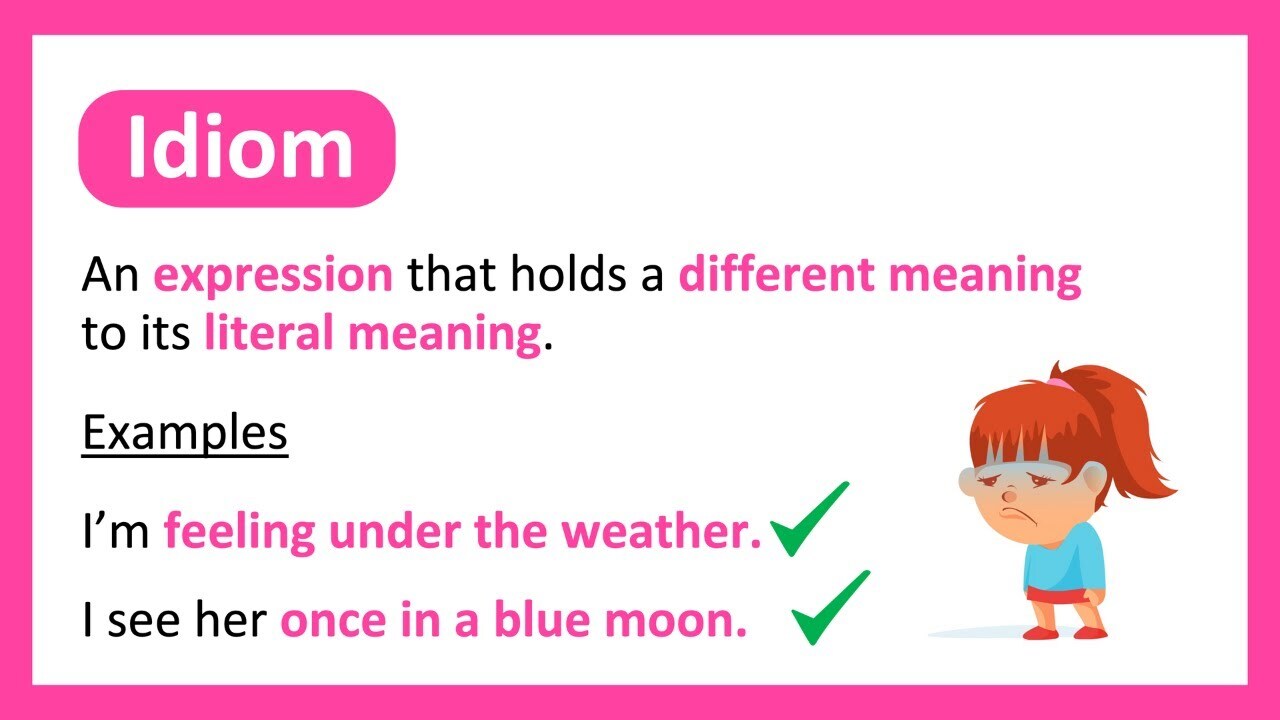
Understanding personal values is a crucial aspect of embracing minimalism as a lifestyle. Personal values serve as the foundation for our decisions and actions, influencing what we choose to keep or discard in our lives. By identifying and aligning our possessions and actions with our values, we can create a lifestyle that is not only simpler but also more fulfilling.The connection between personal values and minimalist choices is significant.
When individuals have a clear understanding of their values, they are better equipped to make decisions that reflect those beliefs. This alignment helps to eliminate clutter—both physical and emotional—fostering a sense of peace and purpose. For example, if family is a core value, an individual may choose to prioritize experiences and relationships over material possessions, ultimately leading to a more meaningful life.
Identifying Personal Values
Assessing what is truly important to you requires introspection and honesty. This process involves reflecting on experiences, beliefs, and motivations that resonate deeply with you. One effective method is to create a list of values that you hold dear. Begin by brainstorming a broad list of values that come to mind, and then narrow it down to your top five to ten values.
To assist in this process, consider the following steps:
- Reflect on significant life events and the lessons learned from them.
- Think about the qualities you admire in others and wish to embody.
- Evaluate what brings you joy and fulfillment—consider activities, people, and experiences that resonate with you.
- Consider the legacy you wish to leave behind and the impact you want to have on others.
- Seek feedback from trusted friends or family about what they perceive as your core values.
“Values are the compass that guide us through life, helping us navigate decisions with clarity and purpose.”
Understanding and articulating these values not only aids in defining a personal minimalism style but also enhances overall satisfaction in life. By keeping a clear focus on what truly matters, individuals can make more intentional choices that contribute positively to their well-being.
Defining Your Style

To establish a personal minimalism style, one must embark on a journey of self-discovery and reflection. This process involves assessing personal values, lifestyle needs, and aesthetic preferences to create a unique minimalist approach that resonates on an individual level. Understanding the essence of minimalism while tailoring it to fit one’s life can lead to a more fulfilling and organized existence.Identifying a personal minimalist style requires a systematic approach to evaluate various characteristics of minimalism and comparing different styles.
By understanding the nuances of each minimalist approach, individuals can carve out their own distinctive aesthetic that is both functional and pleasing to the eye.
Process for Identifying Your Unique Minimalist Style
Identifying your unique minimalist style begins with self-reflection and an evaluation of what minimalism means to you. This process can be broken down into several key steps:
- Evaluate Your Current Lifestyle: Analyze your possessions, habits, and daily routines to identify what holds value and what feels burdensome.
- Define Your Core Values: List out your core values and aspirations. This foundation will guide your decisions on what to keep and what to let go.
- Research Minimalist Aesthetics: Look into various minimalist styles, such as Scandinavian, Japanese Zen, or Industrial Minimalism, and identify elements that resonate with you.
- Create a Vision Board: Assemble a collection of images, colors, and materials that reflect your desired minimalist aesthetic, allowing you to visualize your ideal environment.
- Experiment and Adjust: Start decluttering your space and implementing changes in small increments. Monitor how these adjustments impact your wellbeing and refine your style accordingly.
Comparison of Various Minimalist Styles and Their Characteristics
Understanding different minimalist styles can significantly influence your approach. Each style possesses distinct characteristics that appeal to varying preferences and lifestyles. Here are a few notable styles:
- Scandinavian Minimalism: Characterized by light colors, natural materials, and a sense of warmth. This style emphasizes functionality without sacrificing aesthetics.
- Japanese Minimalism: Focuses on simplicity and tranquility, using clean lines and neutral tones to promote a serene environment. It often incorporates nature and traditional elements.
- Industrial Minimalism: Utilizes raw materials, open spaces, and a more urban feel. This style can be characterized by exposed bricks, metal fixtures, and a more rugged aesthetic.
- Modern Minimalism: Emphasizes clean lines and the “less is more” philosophy, often incorporating innovative and modern furnishings with a focus on open spaces.
Understanding these styles allows individuals to borrow elements from multiple categories to create a personal style that is uniquely their own.
Steps to Visualize Your Personal Minimalism Style
Visualizing your personal minimalist style is crucial for achieving a balanced aesthetic that reflects your identity. Here are essential steps to guide this visualization:
- Create a Mood Board: Collect images, colors, and textures from magazines or online sources that resonate with your vision of minimalism.
- Sketch Your Ideal Space: Draw or digitally create representations of what your space would look like with your new minimalist approach. Focus on layout, color schemes, and furniture placement.
- Utilize Design Software: Explore design tools or apps that allow you to experiment with different layouts and visual styles digitally.
- Take Inspiration from Nature: Incorporate natural elements that inspire you, such as plants or panoramic views, to enhance your minimalist design.
- Regularly Reassess Your Vision: As your tastes evolve, revisit and update your visual representations to ensure they continue to align with your lifestyle and values.
By following these steps, individuals can cultivate a vivid mental picture of their desired minimalist style, leading to a more personalized and intentional living space.
Decluttering Process
The decluttering process is essential for establishing a personal minimalism style, fostering a sense of tranquility and clarity in your environment. By systematically removing items that do not serve a purpose or bring joy, individuals can create a more functional and aesthetically pleasing space. This guide offers a comprehensive overview of effective decluttering techniques, decision-making strategies, and tips for maintaining an organized environment.
Step-by-Step Guide to Decluttering
Commencing the decluttering journey requires a structured approach to ensure thoroughness and efficiency. The following steps provide a systematic path to decluttering:
- Set Clear Goals: Artikel what you hope to achieve through decluttering, such as creating more space or improving the functionality of a specific area.
- Choose a Space: Start with one room or area to avoid feeling overwhelmed. Focusing on a small space allows for a more manageable process.
- Gather Supplies: Prepare boxes or bags for items to keep, donate, recycle, or discard. Having designated containers streamlines the sorting process.
- Sort Items: Go through each item in the chosen space. Evaluate its necessity based on your personal values and minimalism goals.
- Make Decisions: For each item, ask yourself if it serves a purpose or brings joy. If not, consider placing it in the discard or donate pile.
- Organize Kept Items: Arrange the items you decide to keep in an organized manner, ensuring they are easily accessible and visually appealing.
- Dispose Responsibly: Handle items in the discard or donate pile appropriately. Research local donation centers or recycling facilities to ensure responsible disposal.
Techniques for Deciding What to Keep or Discard
Determining what to retain or remove from your space can be challenging. Employing structured techniques can facilitate clearer decision-making:
“The less you own, the more you will appreciate what you have.”
A valuable method for decision-making is the “one-year rule,” which suggests evaluating items that have not been used within the past year. If an item has not contributed to your life in that time frame, it may be time to let it go. Additionally, consider the emotional attachment associated with certain items. Ask yourself whether the memory attached to the item justifies the space it occupies.
Utilizing categories such as “essentials,” “sentimental,” and “non-essential” can further aid in the evaluation process.
Tips for Maintaining a Clutter-Free Environment
Once decluttering is complete, maintaining a clutter-free environment requires ongoing effort and commitment. The following strategies can help in sustaining an organized space:
Establish a Daily Routine
Dedicate a few minutes each day to tidy up and put items back in their designated places to prevent clutter accumulation.
Implement the “One In, One Out” Rule
For every new item brought into your space, consider removing an existing item. This practice ensures that your possessions remain manageable over time.
Regularly Review Items
Schedule periodic reviews of your belongings to assess whether any new items have become unnecessary or cluttered.
Create Functional Spaces
Designate specific areas for different activities (e.g., work, relaxation) to encourage organization and reduce clutter.By applying these techniques and maintaining consistency, individuals can cultivate a peaceful and minimalist lifestyle conducive to personal well-being.
Minimalism in Daily Life
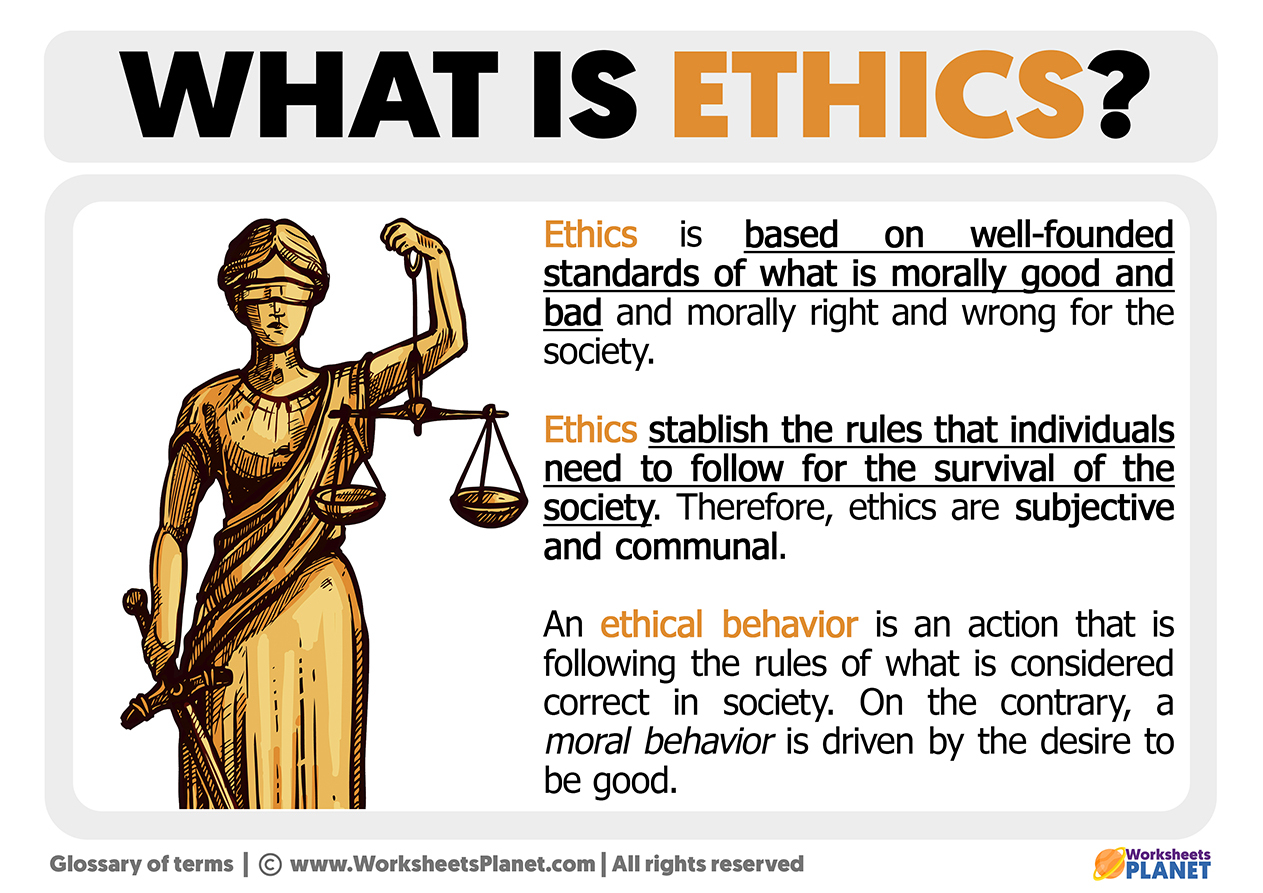
Living a minimalist lifestyle extends beyond decluttering physical spaces; it encompasses the integration of minimalist principles into daily routines and various aspects of life. A well-structured daily routine that reflects minimalist values can lead to improved clarity, focus, and overall well-being. This section explores how to cultivate minimalism in everyday activities and environments.
Designing a Daily Routine Aligned with Minimalist Principles
Crafting a daily routine that embodies minimalism requires intentionality and simplicity. This can lead to increased productivity and reduced stress. A routine that prioritizes essential tasks and eliminates unnecessary distractions fosters a clear mind. Here are key elements to consider when designing your minimalist routine:
- Prioritize Tasks: Focus on the most important activities that align with your personal values. Utilize techniques like the Eisenhower Matrix to categorize tasks into urgent and important.
- Set Time Blocks: Allocate specific time slots for various activities to create structure and prevent multitasking, which can dilute focus.
- Limit Digital Distractions: Schedule designated times to check emails and social media, allowing periods of uninterrupted work.
- Incorporate Mindfulness: Include mindfulness practices such as meditation or deep breathing to enhance mental clarity and relaxation.
Integrating Minimalism into Different Areas of Life
Minimalism can be seamlessly integrated into diverse areas of life, including your home, wardrobe, and digital spaces. Each area benefits from a focused approach that prioritizes quality over quantity.In your home environment:
- Create Functional Spaces: Designate areas for specific purposes, reducing clutter and promoting a sense of order.
- Curate Your Decor: Choose a few meaningful decorative items that resonate with you rather than crowding your space with numerous pieces.
In your wardrobe:
- Build a Capsule Wardrobe: Select versatile clothing pieces that can be mixed and matched, simplifying daily outfit choices.
- Practice One-In-One-Out: For every new item purchased, consider letting go of an existing one to maintain a balanced wardrobe.
In your digital life:
- Organize Digital Files: Regularly sort through files and emails, keeping only what is necessary and archiving or deleting the rest.
- Streamline Online Subscriptions: Unsubscribe from unnecessary newsletters and services, reducing information overload.
Examples of Minimalist Practices for a Simpler Lifestyle
Implementing minimalist practices can profoundly simplify your lifestyle. Here are several effective examples that encourage a decluttered and focused existence:
Adopt a “30-Day Minimalism Game”
Challenge yourself to declutter one item on the first day, two items on the second day, and so forth for a month. This gradual approach can lead to significant reductions in clutter.
Implement Digital Decluttering Days
Dedicate specific days to review and clean up digital spaces, ensuring your online life remains organized and efficient.
Practice a “No-Spend Month”
Challenge yourself to avoid all non-essential purchases for a month, encouraging a deeper appreciation for what you already have.These minimalist practices emphasize intentional choices, enabling a lifestyle that emphasizes clarity and purpose over excess.
Overcoming Challenges
Adopting a minimalist lifestyle can present various challenges that may hinder one’s journey towards simplicity and intentional living. Understanding these challenges and developing strategies to effectively navigate them is essential for sustaining commitment to personal minimalism. This section elaborates on common hurdles faced by individuals and offers practical solutions to overcome them.
Common Challenges in Minimalism
Transitioning to a minimalist lifestyle often involves confronting several obstacles. Recognizing these challenges can prepare individuals for the journey ahead. Below are some of the frequent issues encountered by those pursuing minimalism:
- Emotional Attachment: Many individuals find it difficult to part with items that hold sentimental value, leading to reluctance in decluttering.
- Overwhelm from Decluttering: The process of decluttering can be daunting, especially when facing an accumulation of possessions over the years.
- Social Pressures: Friends and family may not understand or support the minimalist lifestyle, making it challenging to maintain motivation.
- Fear of Missing Out (FOMO): The fear of letting go of items might stem from the belief that they may be needed in the future.
Strategies for Overcoming Challenges
To successfully navigate the obstacles associated with minimalism, it is crucial to implement effective strategies. The following approaches can help individuals overcome these challenges and maintain focus on their minimalist journey:
- Emotional Reflection: Take time to reflect on the reasons for emotional attachments. Journaling can help clarify what truly holds value.
- Start Small: Begin the decluttering process with one area or category at a time to prevent feeling overwhelmed.
- Build a Support Network: Surround yourself with like-minded individuals or join minimalist communities to gain encouragement and share experiences.
- Practice Mindfulness: Cultivating mindfulness can help alleviate the fear of missing out by reinforcing the understanding that true happiness comes from experiences rather than possessions.
Motivational Tips for Commitment
Staying committed to a minimalist lifestyle requires ongoing motivation and reminders of its benefits. Here are some motivational tips to help individuals remain dedicated to their journey towards minimalism:
- Set Clear Goals: Define specific, manageable goals related to decluttering and living minimally to create a roadmap for progress.
- Visualize Success: Create a vision board illustrating the benefits and peace that minimalism brings, serving as a constant reminder of your aspirations.
- Embrace the Journey: Acknowledge that minimalism is a continuous process. Celebrate small victories to build momentum and maintain enthusiasm.
- Keep Learning: Read books or listen to podcasts about minimalism to gain fresh insights and inspiration from others’ experiences.
“Minimalism is not about removing the things you love. It’s about removing the things that distract you from the things you love.”
Joshua Becker
Community and Minimalism
The journey toward minimalism can often feel daunting when undertaken alone. Embracing minimalism is not just about reducing physical possessions; it is also about fostering a mindset that values simplicity, intentionality, and community. The support of like-minded individuals can significantly enhance one’s personal experience, providing motivation, encouragement, and accountability.A robust community can offer valuable insights and share experiences that can help individuals navigate their minimalist journey.
Engaging with others who share similar values can lead to a deeper understanding of one’s own minimalist style and encourage continued commitment to this lifestyle.
Importance of Community Support
The role of community in adopting a minimalist lifestyle is crucial. Members of a minimalist community can provide emotional support and practical advice, making the transition smoother. The sense of belonging and shared purpose within these groups can lead to personal growth and stronger adherence to minimalist principles.
“Community is the backbone of any lifestyle change; it provides a safety net of support and inspiration.”
Resources for Connecting with Other Minimalists
Connecting with other minimalists can be done through various platforms. Here are some effective resources:
- Online forums and social media groups, such as Facebook groups dedicated to minimalism, provide a space for discussion, sharing experiences, and asking questions.
- Minimalism blogs and websites often have active comment sections, allowing interactions with other readers and the authors themselves.
- Local meetups or workshops, often organized through platforms like Meetup.com, can facilitate face-to-face interactions and build local support networks.
- Podcasts and YouTube channels focused on minimalism can encourage engagement through comments and community discussions, creating a virtual environment for shared learning.
Participation in Minimalist Challenges or Groups
Engaging in challenges or joining groups focused on minimalism can be transformative and push individuals toward their goals. These activities not only create accountability but also foster a sense of camaraderie. Common challenges may involve decluttering a specific number of items each day or adopting a minimalist wardrobe.Participating in these initiatives can enhance motivation and provide new perspectives on the minimalist lifestyle.
Furthermore, sharing progress with peers can create a supportive atmosphere where participants celebrate each other’s successes.
“Challenges in minimalism serve not just as goals but as milestones on the journey toward a more intentional life.”
By actively seeking out community connections and participating in challenges, individuals can enrich their minimalist journeys, making the experience more fulfilling and supportive.
Continuous Evolution
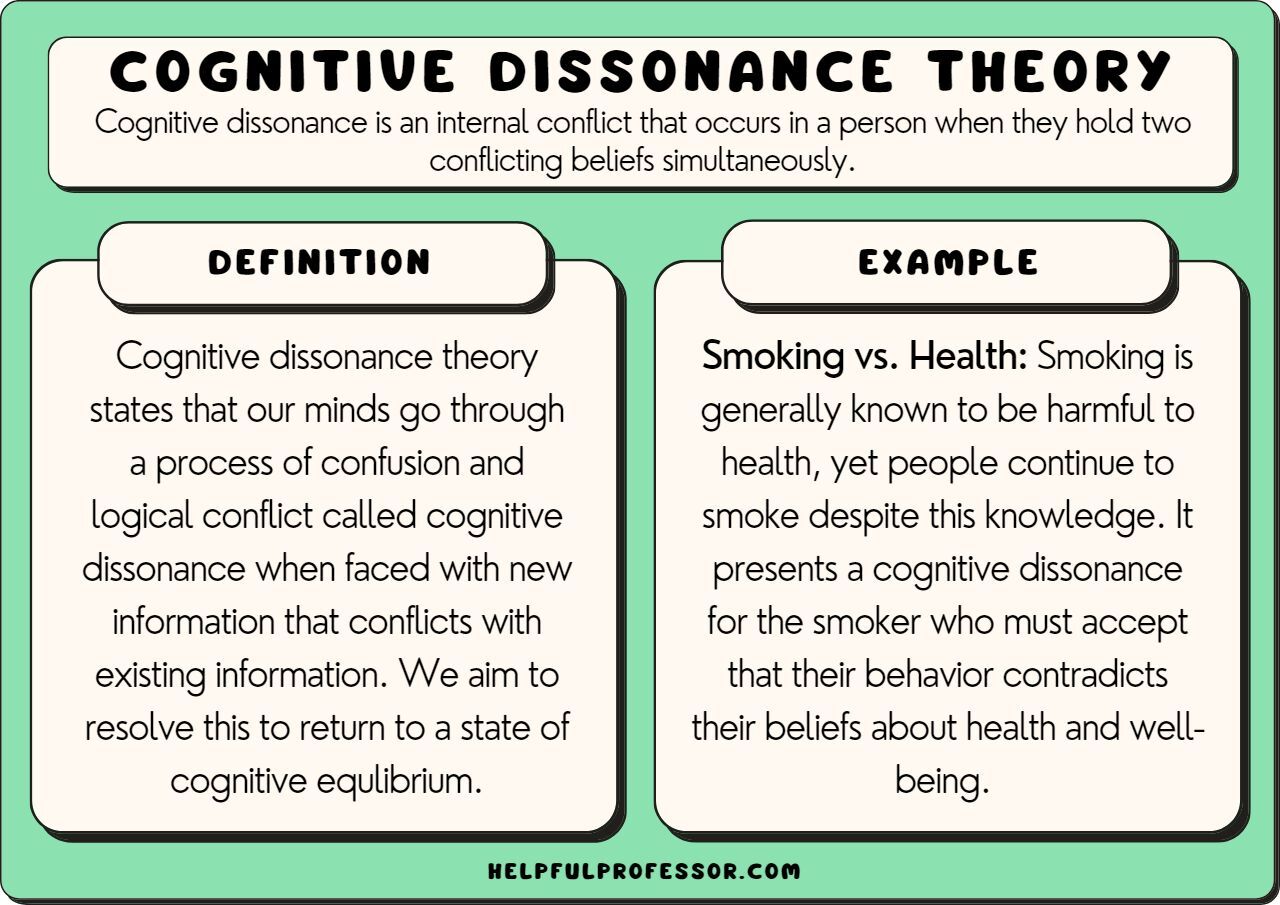
The journey of personal minimalism is not a static one; rather, it is an ongoing process that requires regular reflection and adjustment. As life circumstances change, so too should your approach to minimalism. Embracing continuous evolution means actively revisiting your minimalist goals and ensuring they align with your current values and lifestyle. This adaptability not only enhances your minimalist journey but also keeps it relevant and fulfilling.Creating a framework for the continuous evolution of your personal minimalism style involves structured reflection, reassessment, and inspiration.
It is essential to establish regular intervals for evaluating your current minimalist practices and making necessary adjustments.
Framework for Continuous Evolution
Incorporating a systematic approach to your minimalism journey can lead to a more meaningful and tailored experience. The following steps Artikel an effective framework for evolving your personal minimalism style:
1. Set Reflection Periods
Designate specific times, such as quarterly or bi-annually, to reflect on your minimalist journey. During this time, consider what aspects of your lifestyle feel aligned with your values and which may require change.
2. Reassess Your Goals
Review your initial minimalist goals and determine if they still resonate with your current situation. Adjust these goals as necessary to better reflect your evolving needs and aspirations.
3. Incorporate Feedback
Seek input from trusted friends or community members who also practice minimalism. Their perspectives can provide valuable insights into your journey and highlight areas for growth or adjustment.
4. Document Your Journey
Keep a journal to track your thoughts and feelings about minimalism over time. This allows for deeper introspection and helps identify patterns in your motivations and challenges.
5. Stay Informed
Regularly engage with minimalism literature, podcasts, and social media to discover evolving trends and ideas within the minimalist community. This can both inspire fresh perspectives and provide motivation to continue refining your approach.
6. Experiment and Adapt
Be open to trying new minimalist practices and routines. This might involve exploring different decluttering techniques or experimenting with new organizational systems. Flexibility is key in adapting to what works best for you.
Revisiting Minimalist Goals
Revisiting and reassessing your minimalist goals is crucial for maintaining effectiveness and satisfaction in your practice. This process involves reflecting on both your successes and areas for improvement. Consider the following methods to ensure a thorough reassessment:
Self-Assessment Tools
Use questionnaires or worksheets designed to evaluate how well your current habits align with your minimalist values. This structured approach can reveal gaps and opportunities for growth.
Goal Metrics
Establish measurable criteria for your minimalist goals. For example, track the number of items you have decluttered or the time spent on maintaining a minimalist space. This quantifiable data provides clarity for future adjustments.
Visualization Techniques
Create visual representations of your goals, such as vision boards or mind maps. These tools can serve as daily reminders and motivate you to stay engaged with your minimalist aspirations.
Staying Inspired and Informed
Maintaining inspiration and staying informed about minimalism trends is vital for a sustainable practice. Engage with the broader minimalist community through various channels for fresh ideas and motivation. Consider the following methods to stay connected:
Follow Influencers
Identify and follow prominent minimalism advocates on social media platforms. Their experiences and tips can provide inspiration and spark creativity in your own journey.
Join Online Communities
Participate in forums, groups, or social media communities dedicated to minimalism. Engaging with like-minded individuals fosters support and offers new perspectives.
Attend Workshops and Events
Look for local or online workshops focused on minimalism. These gatherings can provide practical strategies and allow you to connect with others who share your interests.
Read Minimalist Literature
Explore books and articles written by well-known minimalists. Authors such as Marie Kondo and Joshua Becker offer valuable insights into various aspects of minimalism, serving as both guides and motivators.
Document Your Discoveries
Make it a habit to summarize and reflect on the new concepts you learn about minimalism. This can help solidify your knowledge and inspire actionable changes in your own practice.
Final Summary
In conclusion, defining your personal minimalism style is an evolving process that encourages self-reflection and intentional decision-making. By engaging with your values and recognizing what enriches your life, you can create a harmonious environment that supports a simpler, more meaningful existence. Remember, the journey of minimalism is not merely about what you remove, but also about what you embrace.