How to Create a Minimalist and Organized Kitchen invites you to explore the transformative power of minimalism in one of the most essential spaces in your home. A minimalist kitchen not only enhances aesthetic appeal but also promotes efficiency and functionality, allowing for a serene cooking environment. By focusing on essential elements and decluttering, you can create a harmonious space that reflects your lifestyle while simplifying your daily routines.
This guide delves into the critical aspects of minimalist design, offering practical tips on organization, furniture selection, and innovative storage solutions. Embracing minimalism can lead to a more enjoyable cooking experience, as it prioritizes both beauty and utility, making your culinary space a pleasure to navigate.
Importance of Minimalism in Kitchen Design
The concept of minimalism in kitchen design emphasizes simplicity, functionality, and a clutter-free environment. Adopting a minimalist approach not only enhances the aesthetic appeal of your kitchen but also improves its overall efficiency. By prioritizing essential elements and reducing excess, a minimalist kitchen can transform the culinary space into a more enjoyable and practical area for meal preparation and social gatherings.The benefits of a minimalist kitchen approach are manifold.
A streamlined and thoughtfully designed kitchen fosters an organized workspace, making it easier to locate utensils and ingredients when needed. Furthermore, minimalism encourages a focus on quality over quantity, allowing homeowners to invest in high-quality appliances and materials that offer durability and elegance. This shift often results in a kitchen that is not only more visually appealing but also more functional.
Benefits of Minimalism in Kitchen Organization and Functionality
In a minimalist kitchen, the emphasis is placed on organization and functionality, which can significantly enhance the cooking experience. The following points illustrate the advantages of adopting a minimalist approach:
- Enhanced Efficiency: With fewer items in the kitchen, there’s less time spent searching for tools or ingredients, allowing for a more streamlined cooking process.
- Increased Space: A minimalist design often incorporates open shelving and fewer cabinets, creating an illusion of spaciousness and making the kitchen feel less cramped.
- Improved Cleanliness: Fewer items mean less clutter, which simplifies cleaning and maintenance tasks, ensuring that the kitchen remains an inviting space.
- Focus on Essential Tools: Minimalism encourages the use of multi-functional tools, which can replace multiple single-purpose items, thereby reducing clutter and increasing utility.
- Timeless Aesthetic: Minimalist designs often feature clean lines and neutral colors that create a timeless look, ensuring that the kitchen remains stylish over the years.
The functionality of a minimalist kitchen can be further illustrated through modern design examples. For instance, open-plan kitchens with integrated dining areas reflect the minimalist ethos by creating a seamless flow between cooking and socializing. In such designs, a central island often serves as both a workspace and a gathering spot, embodying the principle of multipurpose functionality.Additionally, the use of hidden appliances, such as retractable hoods or built-in refrigerators, exemplifies how minimalism can enhance the aesthetic while maintaining practicality.
Sleek cabinetry with simple hardware contributes to a clean look, allowing the kitchen to maintain its elegance without overwhelming the senses.
“The essence of minimalism lies in stripping away the unnecessary, allowing the essential to speak for itself.”
Essential Elements of a Minimalist Kitchen
A minimalist kitchen is characterized by its simplicity, functionality, and focus on essential elements that promote an organized and efficient workspace. The design philosophy emphasizes the reduction of clutter and the clever use of space while maintaining a sense of style and comfort. By concentrating on key features, color schemes, materials, and lighting, a minimalist kitchen can become a serene and inviting area for culinary creativity.The essential elements that define a minimalist kitchen include streamlined cabinetry, uncluttered countertops, and thoughtfully chosen appliances that blend seamlessly into the overall design.
Each component should serve a purpose while contributing to the aesthetic appeal of the space.
Key Features of a Minimalist Kitchen
A minimalist kitchen is distinguished by several defining features, including:
- Streamlined Cabinetry: Cabinets with flat surfaces and minimal hardware create a clean look, often featuring a handle-less design for a sleek appearance.
- Open Space: An open layout enhances the sense of space, making the kitchen feel larger and more inviting, while also promoting ease of movement.
- Essential Appliances: Appliances are chosen for their functionality and often integrated into cabinetry to maintain a cohesive look, minimizing visual clutter.
- Minimal Decorations: A few carefully selected decorative items, such as potted herbs or high-quality cookware, serve as focal points without overwhelming the space.
The significance of color schemes and materials in a minimalist kitchen cannot be understated.
Color Schemes and Materials
The choice of colors and materials plays a crucial role in achieving a minimalist kitchen design. A neutral color palette, typically featuring whites, greys, and soft earth tones, fosters a calm atmosphere and enhances the perception of space.
- Neutral Colors: Soft whites and light greys create a timeless backdrop that allows other design elements to shine.
- Natural Materials: Using materials such as wood, stone, and metal can add warmth and texture, contributing to a balanced visual harmony.
- High-Quality Finishes: Investing in durable, high-quality materials promotes longevity and maintains an elegant look over time.
Lighting is another crucial component in cultivating a minimalist aesthetic within the kitchen environment.
Role of Lighting in Minimalist Design
Proper lighting enhances the functionality and beauty of a minimalist kitchen. It is essential for creating an inviting atmosphere and highlighting the design elements.
- Natural Light: Maximizing natural light through windows or skylights enhances the sense of openness and connection to the outside.
- Layered Lighting: Incorporating ambient, task, and accent lighting provides flexibility for different activities while maintaining the minimalist aesthetic.
- Simple Fixtures: Selecting streamlined and unobtrusive light fixtures contributes to the overall simplicity of the design, ensuring that they complement rather than detract from the space.
Decluttering Your Kitchen Space
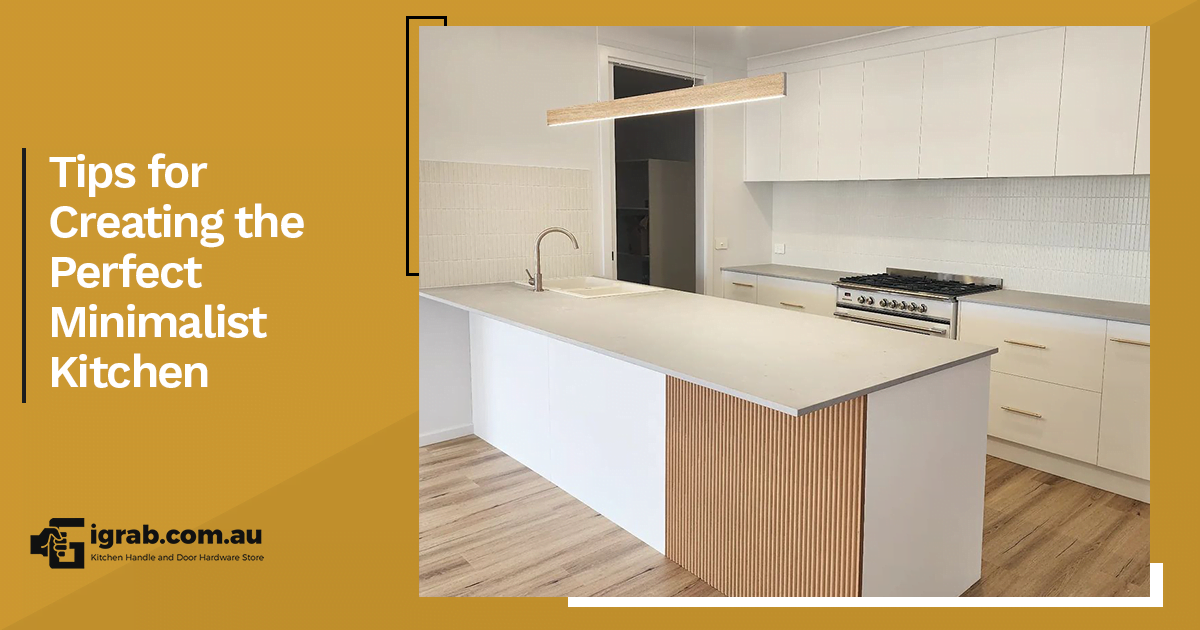
The process of decluttering your kitchen is essential for creating a minimalist atmosphere that promotes efficiency and tranquility. A well-organized kitchen not only enhances functionality but also contributes to a more enjoyable cooking experience. Following a systematic approach will help you to streamline your kitchen items effectively.To begin the decluttering process, it is important to adopt a step-by-step method that ensures every item in your kitchen is evaluated and categorized appropriately.
This approach not only simplifies the process but also allows for a clearer vision of what you truly need.
Step-by-Step Method for Decluttering Kitchen Items
Start by taking a comprehensive inventory of all items in your kitchen. This includes everything from small utensils to large appliances. The following steps will guide you through the decluttering process:
1. Empty Your Cabinets and Drawers
Clear out all cabinets and drawers to gain full visibility of your kitchen items. This allows you to assess what you have without any distractions.
2. Categorize Items
Group similar items together, such as pots and pans, utensils, spices, and appliances. This will help you identify duplicates and items that are no longer needed.
3. Evaluate Each Item
Consider the following criteria for each item:
Frequency of Use
Do you use it regularly, occasionally, or rarely?
Condition
Is it in good working order? Is it outdated or damaged?
Sentimental Value
Does it hold special sentimental value that justifies keeping it?
4. Sort Items into Three Categories
Create designated spaces for items to keep, donate, or discard based on your evaluation.
Checklist for Items to Keep, Donate, or Discard
Having a clear checklist will make the decision-making process easier. Below is a recommended checklist for sorting your kitchen items:
Keep
Essential cooking utensils (e.g., spatula, wooden spoon)
Frequently used pots and pans (consider size and variety)
Quality knives and kitchen gadgets you use regularly
Items with sentimental value that you actively use –
Donate
Duplicate items (e.g., extra baking sheets)
Appliances you no longer use (e.g., bread maker, electric can opener)
Unused utensils and gadgets (e.g., avocado slicer)
Discard
Broken or damaged items (e.g., chipped dishes, non-functioning appliances)
Outdated or expired food items in your pantry
Items that do not fit your cooking style or needs
Tips for Maintaining a Clutter-Free Kitchen Environment
Once you have decluttered your kitchen, maintaining that organized space is paramount. The following tips will help you sustain a clutter-free environment:
Implement a One-In, One-Out Policy
For every new item you bring into the kitchen, consider removing an old item to maintain balance.
Establish a Regular Cleaning Schedule
Set aside time weekly or monthly to review and reorganize kitchen items, ensuring they remain in their designated places.
Create Designated Zones
Allocate specific areas for different categories of items (e.g., cooking, baking, and prep) to enhance efficiency and accessibility.
Use Clear Containers
Store items in clear or labeled containers to keep track of your kitchen inventory and prevent over-purchasing.
Limit Countertop Items
Keep countertops as clear as possible to encourage a tidy and spacious appearance, which reduces the temptation to clutter.By following these systematic steps and maintaining the principles of minimalism in your kitchen, you will create a serene and organized culinary space that enhances both functionality and enjoyment in your cooking endeavors.
Organizing Kitchen Essentials
Efficient organization of kitchen essentials plays a crucial role in maintaining a functional and aesthetically pleasing cooking space. An organized kitchen not only enhances the cooking experience but also ensures that all necessary tools and appliances are easily accessible, reducing the time spent searching for items. The following content delves into how to design an effective layout for kitchen organization, the types of common kitchen items, recommended storage solutions, and the importance of grouping similar items for optimal use.
Designing an Efficient Layout for Kitchen Tools and Appliances
Creating a well-structured layout is essential in maximizing kitchen efficiency. A thoughtful design allows for easy navigation while cooking and cleaning. Consider the kitchen work triangle, which involves the stove, refrigerator, and sink positioned at convenient distances from each other to enhance workflow. Utilize designated zones for different activities: cooking, prepping, cleaning, and storage. For instance, the cooking zone should contain pots, pans, and utensils, while the prep zone should have cutting boards and knives within reach.
Common Kitchen Items and Recommended Storage Solutions
To simplify kitchen organization, it is important to identify common kitchen items and determine the best storage solutions for each. Below is a table outlining various kitchen essentials along with effective storage recommendations:
| Kitchen Item | Recommended Storage Solution |
|---|---|
| Pots and Pans | Hanging racks or pull-out drawers |
| Cutting Boards | Vertical storage or drawer dividers |
| Utensils | Utensil holder or drawer organizer |
| Spices | Spice racks or clear jars on shelves |
| Food Storage Containers | Stackable bins or designated cabinet space |
Grouping Similar Items for Easy Access
Grouping similar items together is a vital strategy for maintaining an organized kitchen. This not only facilitates quicker access but also helps to establish a logical flow in the kitchen. For instance, place all baking items—such as mixing bowls, measuring cups, and baking sheets—within close proximity in a dedicated baking zone. Similarly, group utensils, pots, and pans by type and frequency of use.
Consider the use of labeled storage containers for pantry items to further streamline the cooking process. Clear, transparent containers allow for easy visibility of contents, while labels indicate what is inside, reducing time spent searching for ingredients.
“An organized kitchen enhances productivity and elevates the overall cooking experience.”
Choosing Minimalist Kitchen Furniture
Selecting the right furniture is a critical aspect of achieving a minimalist kitchen design. Minimalism emphasizes simplicity, functionality, and the absence of clutter, making it essential to choose furniture that aligns with these principles. In this segment, we delve into various styles of kitchen furniture that complement a minimalist aesthetic while prioritizing practical use.The furniture in a minimalist kitchen should embody both form and function.
Each piece must serve a purpose without overwhelming the space visually. The idea is to foster a serene environment where every element contributes to the overall utility and aesthetics of the kitchen. By focusing on quality over quantity, homeowners can curate a kitchen that feels open and organized.
Styles of Kitchen Furniture Suitable for Minimalist Design
When selecting furniture, it is crucial to consider styles that enhance the minimalist ethos. Below are popular furniture styles that suit minimalist kitchens:
- Scandinavian: Characterized by clean lines, neutral colors, and natural materials, Scandinavian furniture promotes a bright and airy atmosphere, making it ideal for small kitchens.
- Modern: Featuring sleek designs with smooth surfaces and minimal ornamentation, modern furniture emphasizes functionality while offering a sophisticated look.
- Industrial: This style incorporates raw materials, such as metal and wood, which can create a bold yet uncluttered aesthetic, particularly suitable for urban settings.
- Japanese: Known for its simplicity and focus on craftsmanship, Japanese furniture often utilizes functional pieces that blend seamlessly into the kitchen’s design.
Importance of Functionality in Furniture Selection
Functionality should always take precedence over aesthetics when choosing kitchen furniture. Each piece should be thoughtfully selected to ensure it serves a specific purpose. For instance, a dining table should not only look good but also accommodate family meals and gatherings comfortably. Furniture that lacks functionality can quickly lead to clutter, as items may accumulate around pieces that do not serve a practical use.
Therefore, investing in multi-functional furniture is a wise strategy in minimalist kitchen design.
Tips for Selecting Multi-Functional Kitchen Furniture
Opting for multi-functional furniture can significantly enhance the utility of a minimalist kitchen. Here are some tips to guide homeowners in this selection process:
- Look for expandable tables: Tables that can extend are ideal for accommodating guests without consuming space unnecessarily when not in use.
- Select stools with storage: Bar stools or seating that includes hidden compartments provide a place to store kitchen essentials while adding seating options.
- Incorporate islands with built-in storage: Kitchen islands that offer drawers or shelves can serve as both a prep area and a storage solution.
- Choose modular cabinetry: Cabinets that are adjustable or modular can be reconfigured to meet changing kitchen needs, promoting versatility.
By thoughtfully considering furniture styles, prioritizing functionality, and selecting multi-functional options, homeowners can create a minimalist kitchen that is not only visually appealing but also highly efficient in its use of space.
Incorporating Smart Storage Solutions
In a minimalist kitchen, maximizing space is essential to maintaining an organized and functional environment. Innovative storage solutions can transform even the smallest kitchens into efficient workspaces, making the most of every inch available. By adopting smart storage ideas, you can declutter your kitchen while keeping essential items within reach, ensuring a streamlined experience.
Innovative Storage Ideas for Small Kitchens
Utilizing clever storage solutions can significantly enhance the functionality of a small kitchen. Implementing these strategies will not only help keep your kitchen tidy but will also allow you to make better use of your available space. Consider the following approaches:
- Pull-out Cabinets: These cabinets slide out from under counters or along walls, providing easy access to pots, pans, and other kitchen essentials without taking up additional space.
- Magnetic Strips: Installing magnetic strips on walls or inside cabinet doors can hold knives, spices, or metal kitchen tools, freeing up valuable counter space.
- Under-shelf Baskets: These baskets fit under existing shelves, allowing for additional storage without requiring more horizontal space, perfect for storing condiments or small kitchen gadgets.
- Corner Drawers: Utilizing the corner areas of your kitchen can be tricky. Corner drawers can provide easy access to items that typically get lost or forgotten.
- Hanging Pot Racks: A stylish way to store cookware, hanging pot racks free up cupboard space and add visual interest to your kitchen décor.
Recommendations for Space-saving Kitchen Tools and Accessories
Incorporating space-saving kitchen tools is a pivotal aspect of maintaining a minimalist kitchen. Choosing tools that serve multiple functions not only reduces clutter but also enhances your culinary efficiency. Consider these essential kitchen accessories:
- Collapsible Measuring Cups: These take up minimal space when stored and are perfect for accurately measuring ingredients.
- Nesting Bowls: Bowls that stack neatly within one another help save cabinet space and are convenient for mixing and serving.
- Multi-functional Appliances: Devices such as a blender that also functions as a food processor can significantly reduce the number of appliances needed in your kitchen.
- Magnetic Spice Containers: These containers can be stuck to the refrigerator or a magnetic board, saving shelf space while keeping spices easily accessible.
- Stackable Food Storage Containers: Opting for stackable options helps maximize space in your pantry and refrigerator.
Using Vertical Space Effectively in a Minimalist Kitchen
Maximizing vertical space is crucial for creating a functional kitchen layout while adhering to minimalist principles. By utilizing the height of your kitchen, you can keep surfaces clear and organized. Here are effective strategies to consider:
- Open Shelving: Open shelves not only provide storage but allow for decorative displays, helping to personalize your kitchen while keeping essentials visible and within reach.
- Wall-mounted Racks: Racks for utensils or pots can be installed on walls, keeping countertops clear and making items easy to grab.
- Tall Cabinets: Investing in taller cabinets can provide additional storage for rarely used items while keeping the lower areas more accessible.
- Over-the-door Organizers: These organizers utilize the inside of cabinet doors or pantry doors, perfect for storing baking sheets, cutting boards, or even spices.
- Hanging Baskets: Use hanging baskets from ceilings or wall hooks to store fruits and vegetables, creating an attractive display that also saves counter space.
Maintaining an Organized Kitchen
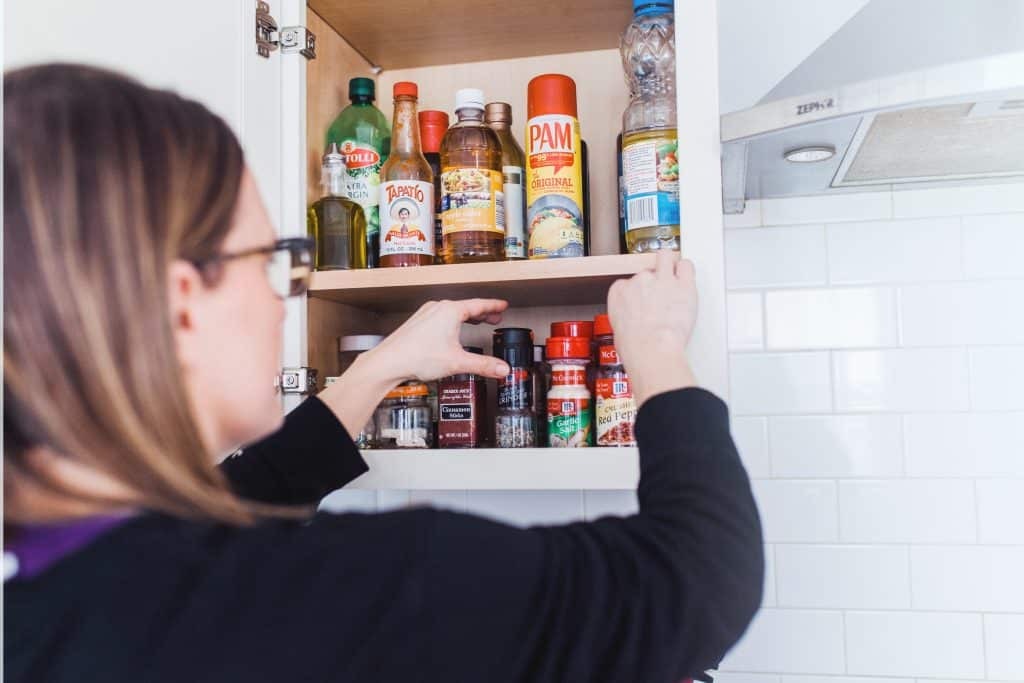
An organized kitchen is a vital aspect of maintaining a minimalist lifestyle. Regular upkeep ensures that your kitchen remains functional, aesthetically pleasing, and conducive to efficient meal preparation. Establishing a maintenance routine not only prevents clutter but also enhances your culinary experience, allowing for a peaceful and productive environment.
Weekly Maintenance Routine
To keep a minimalist kitchen organized, it is essential to implement a structured weekly maintenance routine. This routine serves as a guide to help you stay on top of kitchen organization tasks, ensuring that everything remains in order. Below are essential tasks that can be integrated into your weekly schedule:
- Daily Wipe Down: Each day, allocate time to wipe down surfaces and clean up any spills or messes immediately.
- Weekly Deep Clean: Dedicate one day a week to deep clean appliances, countertops, and the floor.
- Assess Inventory: Check the pantry and refrigerator for any items that are nearing expiration or that you no longer need.
- Reassess Organization: Review the organization of drawers and cabinets, ensuring that everything is in its designated place.
- Dispose of Unused Items: Each week, identify at least one item that can be donated or discarded to reduce clutter.
Importance of Regular Inventory Checks
Conducting regular inventory checks of kitchen supplies is crucial in maintaining an organized kitchen. This practice aids in managing resources effectively and prevents over-purchasing or unnecessary clutter. Regular checks ensure that you are aware of the stock levels of essential items and help in planning meals efficiently.
“An organized kitchen is not just about aesthetics; it is about having the right ingredients at the right time and minimizing waste.”
By staying proactive about inventory, you can efficiently utilize ingredients before they spoil and maintain a streamlined cooking process.
Visual Chart for Tracking Kitchen Organization Tasks
Creating a visual chart can significantly enhance your ability to track kitchen organization tasks. A simple chart can serve as a reminder for regular maintenance tasks and help you visualize your progress. Below is a suggested layout for an organization tracking chart:
| Task | Frequency | Status |
|---|---|---|
| Daily Wipe Down | Daily | ✔️ |
| Weekly Deep Clean | Weekly | ✔️ |
| Assess Inventory | Weekly | ✔️ |
| Reassess Organization | Weekly | ✔️ |
| Dispose of Unused Items | Weekly | ✔️ |
This chart keeps essential tasks front and center, facilitates accountability, and encourages consistent efforts towards maintaining a minimalist and organized kitchen.
Personalizing Your Minimalist Kitchen
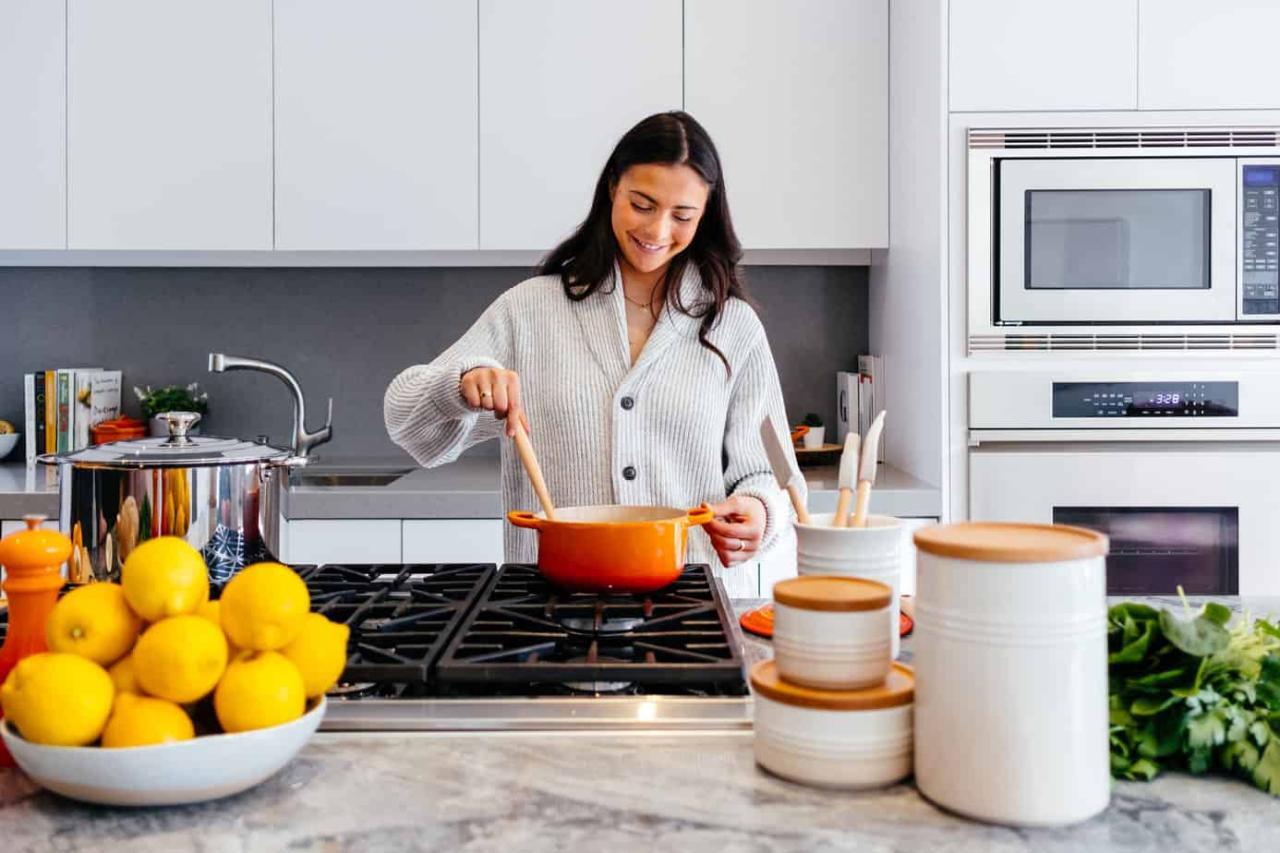
Creating a minimalist kitchen doesn’t mean sacrificing personal style or warmth. In fact, personal touches can enhance the overall aesthetic while maintaining a clean, organized look. It’s essential to strike a balance between decor and functionality so that your kitchen remains a practical space for cooking and gathering. Thoughtful personalization can reflect your character without overwhelming the minimalist philosophy.To achieve a personalized touch in your minimalist kitchen, consider incorporating elements that resonate with your lifestyle while adhering to the principles of simplicity and efficiency.
This involves selecting decor that serves a purpose, thereby enhancing functionality while adding charm.
Incorporating Personal Touches
When seeking to personalize a minimalist kitchen, opt for decor that is both aesthetically pleasing and functionally valuable. This can include:
- Artwork: Choose a single, striking piece of artwork or a framed photograph that resonates with you. A large canvas or a beautiful print can serve as a focal point without cluttering the space.
- Functional Decor: Utilize everyday items like beautifully designed utensils, stylish cutting boards, or high-quality cookware as decor. These items can enhance the kitchen’s ambiance while being practical.
- Textiles: Incorporate a few carefully selected textiles, such as a kitchen towel or a runner. Choose colors or patterns that evoke your personality while remaining cohesive with the minimalist theme.
Balancing Decor and Functionality
Striking a balance between decor and functionality in a minimalist kitchen is crucial. The decor should enhance the utility of the space rather than detract from it. A few guidelines can help maintain this balance:
- Limit Decorative Items: Aim for a maximum of three decorative pieces on open shelves or countertops. This keeps the space airy and uncluttered.
- Quality Over Quantity: Invest in fewer high-quality decor pieces that reflect your style rather than filling the space with numerous items.
- Multi-functional Furniture: Select furniture that serves multiple purposes, such as a kitchen island that provides both workspace and seating.
Incorporating Plants and Natural Elements
Integrating plants and natural elements is an excellent way to add life and warmth to a minimalist kitchen while staying true to the minimalist aesthetic. Plants can enhance air quality and create a soothing atmosphere. Consider the following tips for incorporating greenery:
- Herb Garden: Growing herbs like basil, rosemary, or thyme in small pots not only adds greenery but also provides fresh ingredients for cooking.
- Succulents: These low-maintenance plants are ideal for minimalist kitchens. Place a few small succulents in simple pots on windowsills or shelves for a touch of nature.
- Natural Materials: Incorporate materials such as wood or stone into your kitchen design. A wooden cutting board or a stone countertop can add warmth and texture without overwhelming the minimalist aesthetic.
Last Recap
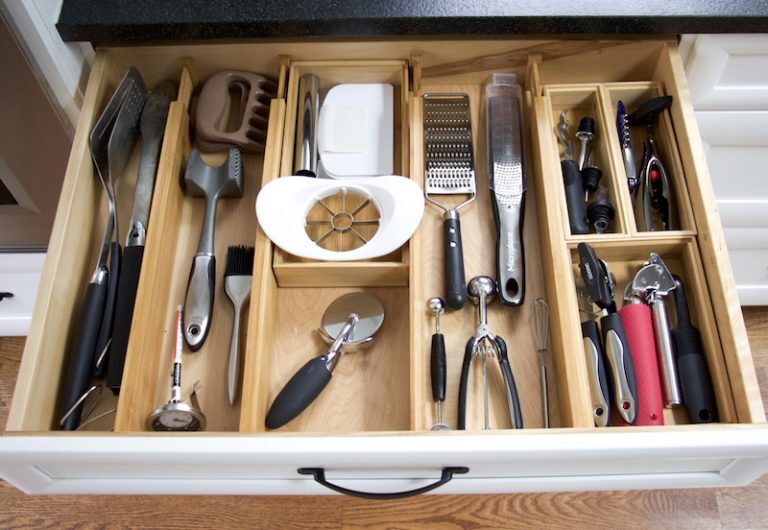
In conclusion, adopting a minimalist approach in your kitchen can significantly enhance your cooking environment, making it both organized and inviting. By implementing the strategies discussed, from decluttering to smart storage solutions, you can ensure that your kitchen remains functional while embodying a refined aesthetic. Remember, a well-organized kitchen not only fosters creativity but also contributes to a more relaxed and efficient cooking experience.