Embracing minimalism offers a transformative journey, inviting individuals to simplify their lives while fostering intentional living. This article delves into the essential aspects of tracking your progress as a new minimalist, providing valuable insights on how to navigate this rewarding yet challenging path. By understanding the principles of minimalism and establishing clear goals, you can effectively measure your journey toward a more fulfilling and decluttered existence.
As you embark on this journey, discovering tools and techniques to monitor your progress is crucial. From utilizing various apps and journals to reflecting on your emotional and mental changes, each step will enhance your experience. This guide aims to equip you with the necessary strategies to overcome challenges, celebrate milestones, and create a supportive community, all while aligning your lifestyle with minimalist principles.
Understanding Minimalism
Minimalism is not merely a trend but a transformative lifestyle choice that emphasizes intention, simplicity, and purposeful living. By eliminating excess and focusing on what truly matters, individuals can experience a profound shift in their daily lives. This section will explore the definition of minimalism, its essential principles, the benefits it offers, and the concept of intentional living within this framework.
Definition and Core Principles of Minimalism
Minimalism can be defined as a lifestyle that advocates for simplicity in all areas of life, from material possessions to personal relationships and time commitments. The core principles of minimalism include:
- Intentionality: Every possession, commitment, and relationship should have a purpose.
- Reduction: The elimination of non-essential items and activities to create space for what matters most.
- Simplicity: Valuing quality over quantity, leading to a more meaningful existence.
Understanding these principles is crucial for anyone looking to embrace minimalism, as they provide a foundation for making deliberate choices that align with one’s core values.
Benefits of Adopting a Minimalist Lifestyle
Embracing minimalism can lead to a myriad of benefits that enhance overall well-being and clarity. These advantages include:
- Reduced Stress: A decluttered environment can significantly lower anxiety and stress levels, allowing for clearer thoughts and improved focus.
- Financial Freedom: By prioritizing experiences over possessions, individuals often find themselves saving money and reducing financial burdens.
- Improved Quality of Life: Focusing on meaningful relationships and experiences leads to a more fulfilling and enriched life.
The positive effects of minimalism extend beyond the physical realm, impacting emotional and mental health, fostering a deeper sense of satisfaction and contentment.
Intentional Living in Minimalism
Intentional living is a key component of minimalism, emphasizing mindfulness and purpose in every aspect of life. This involves making deliberate choices about how to spend time, what to own, and how to interact with others. The principles of intentional living include:
- Mindfulness: Being present and aware of one’s experiences enhances appreciation for life.
- Prioritization: Identifying and focusing on what truly matters helps streamline decisions and activities.
- Clarity of Values: Understanding personal values guides the decision-making process and fosters a sense of direction.
By integrating intentional living with minimalism, individuals can cultivate a lifestyle that not only reflects their values but also enriches their day-to-day experiences.
Setting Goals as a New Minimalist
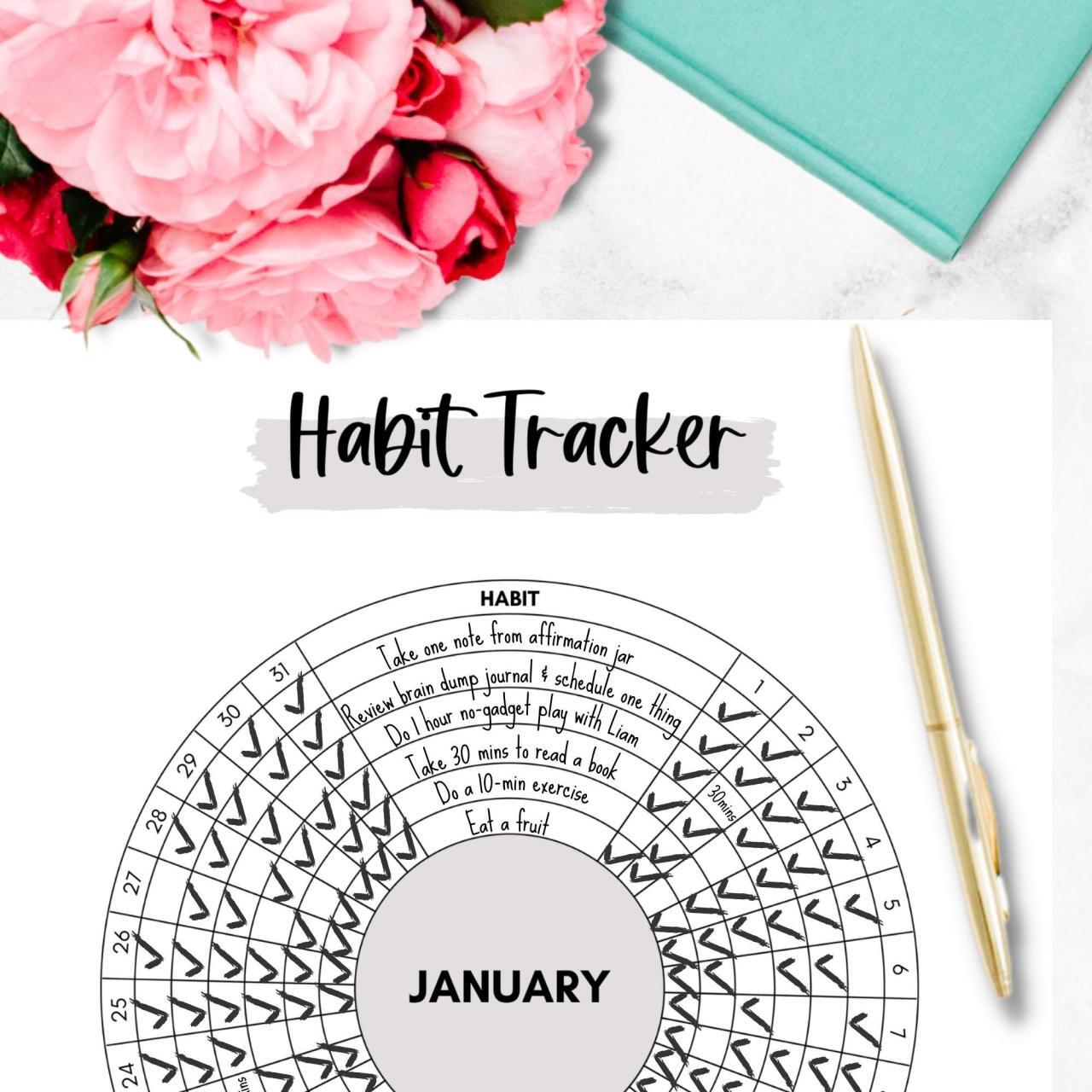
Transitioning to minimalism is a transformative journey that often begins with the establishment of clear and actionable goals. These goals not only provide direction but also allow individuals to measure their progress throughout the process. By defining specific objectives, new minimalists can maintain focus and stay motivated as they simplify their lives.Identifying primary goals is essential for those embracing minimalism.
These goals typically revolve around decluttering space, reducing consumption, and enhancing overall well-being. Below is a list of key goals that can serve as a foundation for your minimalist journey:
Main Goals for Transitioning to Minimalism
The main goals for transitioning to minimalism should reflect both the practical and personal aspects of this lifestyle change. Consider the following objectives:
- Declutter living spaces by removing unnecessary items and organizing essentials.
- Reduce monthly expenses by making conscious purchasing decisions.
- Enhance mental clarity and peace by simplifying surroundings and commitments.
- Foster sustainable living practices by choosing quality over quantity in possessions.
Setting measurable goals is crucial for tracking progress effectively. These goals should be specific, attainable, and time-bound to ensure they are realistic and encouraging. Below are several examples of measurable goals for new minimalists:
Measurable Goals for Tracking Progress
Creating a list of measurable goals can aid in maintaining motivation throughout the minimalist journey. Here are some suggestions:
- Commit to donating or discarding a specific number of items each month, such as 30 items in 30 days.
- Limit shopping for non-essential items to a predetermined frequency, such as once a month.
- Establish a budget that prioritizes essential expenditures and limits discretionary spending by a certain percentage.
- Set a timeline for completing decluttering each room in your home, perhaps two weeks per room.
Maintaining motivation during this transition can sometimes be challenging. It is important to implement strategies that reinforce commitment and inspire progress. Here are effective strategies that can help sustain motivation:
Strategies for Maintaining Motivation
To keep spirits high and motivation intact, consider integrating the following strategies into your minimalist practice:
- Regularly remind yourself of the benefits of minimalism, such as improved mental health and financial freedom.
- Join online communities or local groups of fellow minimalists to share experiences and tips.
- Document your progress through journaling or photography, highlighting changes in your environment and mindset.
- Celebrate small victories, such as completing a decluttering project or adhering to your budget for a month.
In this journey toward minimalism, establishing clear goals and tracking progress not only helps in managing the process but also fosters a deeper appreciation for simplicity and intentional living. Embracing these strategies will enhance your ability to remain focused and motivated as you navigate this rewarding lifestyle change.
Tools for Tracking Progress
Tracking progress is an essential aspect of embracing a minimalist lifestyle. By utilizing various tools, individuals can monitor their journey, identify areas for improvement, and celebrate their achievements. This section offers insights into notable apps and journals that can facilitate effective tracking, methods for maintaining a decluttering log, and techniques to gauge emotional and mental changes throughout the minimalist process.
Apps and Journals for Tracking Minimalist Progress
A variety of applications and journals are available to assist new minimalists in documenting their journey. These tools cater to different preferences, ensuring that everyone can find a system that resonates with them.
- Minimalist Apps: Applications such as “Todoist” and “Notion” allow users to create to-do lists, track goals, and organize tasks effectively. These apps often feature customizable templates that can be tailored to suit a minimalist’s specific goals.
- Journals: A simple notebook or a guided journal specifically designed for minimalism can provide a tactile experience of documenting thoughts and progress. Journals like “The Minimalist Journal” prompt users with reflective questions that encourage mindfulness and deeper understanding of their journey.
- Habit Tracking Apps: Apps like “Habitica” gamify the process of habit tracking, motivating users to maintain their minimalist practices by rewarding them for completing tasks related to decluttering and simplifying their lives.
Maintaining a Decluttering Log
Establishing a decluttering log is a powerful method for tracking progress as it provides a tangible record of items removed and areas improved. This log not only helps maintain motivation but also fosters a reflective practice.
- Date and Item Description: Each entry in the decluttering log should include the date and a brief description of the item or area decluttered. For example, “October 1st – Donated eight shirts to charity.”
- Category Tracking: Organizing entries by categories, such as clothing, electronics, or household items, allows for easier assessment of which areas require more focus. This categorization can also reveal patterns and excessive accumulation in specific categories.
- Emotional Reflection: At the end of each log entry, individuals should note their emotional response to the decluttering activity. Statements such as “Felt a sense of relief after removing items” provide insight into the impact of minimalism on emotional well-being.
Assessing Emotional and Mental Changes
Understanding the emotional and mental transformations that accompany a minimalist lifestyle is crucial for holistic progress tracking. This assessment can be achieved through various techniques.
- Regular Self-Reflection: Setting aside time each week or month for self-reflection allows individuals to evaluate their mental state and emotional responses to the minimalist journey. Reflective questions may include “How do I feel about my space now?” or “What thoughts arise when I consider my belongings?”
- Journaling Emotions: Maintaining a dedicated section within the minimalist journal for recording emotional states can help track fluctuations in mood and mindset. Over time, patterns may emerge that correlate with decluttering sessions or the acquisition of new items.
- Mindfulness Practices: Incorporating mindfulness techniques, such as meditation or breathing exercises, can enhance awareness of one’s emotional and mental states. Regular mindfulness practice can lead to a deeper understanding of the motivations behind clutter accumulation and the relief experienced when simplifying one’s life.
Decluttering Techniques
Effective decluttering is a cornerstone of minimalism, offering a pathway to a more organized and intentional living space. By adopting specific techniques, individuals can streamline their possessions, making it easier to embrace a minimalist lifestyle. This section explores various decluttering methods, provides a step-by-step guide for tackling specific areas in your home, and offers a comparative look at different strategies to help you find the best fit for your journey.
Effective Decluttering Methods
Several methods have gained popularity for their effectiveness in decluttering. Each technique offers a unique approach to simplifying your environment. Here are two prominent strategies:
- Marie Kondo Method: This method encourages individuals to keep only those items that “spark joy.” It involves going through belongings category by category rather than room by room, allowing for a holistic review of your possessions.
- 30-Day Declutter Challenge: This challenge involves removing a specific number of items each day for 30 days, starting with one item on day one and increasing to thirty items by day thirty. This gradual approach creates momentum and helps establish consistency in decluttering habits.
Step-by-Step Guide for Decluttering a Specific Area
When approaching decluttering, it is beneficial to focus on one area at a time to avoid feeling overwhelmed. Below is a step-by-step guide for decluttering a closet:
- Empty the Closet: Take everything out of your closet to see the full extent of your belongings.
- Sort Items: Create three categories: keep, donate/sell, and discard. Be decisive about each item’s value and use.
- Assess Storage Needs: Consider how much space you have and what organizational tools (like bins or hangers) you may need.
- Organize the Keep Items: Place the items back into the closet in an organized manner. Group similar items together, such as shoes, clothes, and accessories.
- Maintain the Space: Develop a plan to regularly assess and maintain your closet, ensuring it stays clutter-free.
Comparison of Decluttering Strategies
Understanding the strengths and limitations of different decluttering methods can help you choose the most effective strategy for your needs. The table below compares various decluttering strategies based on their characteristics and effectiveness.
| Decluttering Strategy | Approach | Time Commitment | Effectiveness |
|---|---|---|---|
| Marie Kondo Method | Category-based, joy-focused | Moderate to High | High; promotes emotional connection |
| 30-Day Declutter Challenge | Incremental, daily tasks | Low to Moderate | High; builds momentum and habit |
| One-In-One-Out Rule | Replacement-based | Ongoing | Moderate; encourages mindfulness |
| Digital Decluttering | Focus on electronic files | Varies | High; addresses digital clutter |
“Decluttering is not just about getting rid of things; it’s about making space for what truly matters.”
Reflecting on Your Journey
Self-reflection is a crucial component of the minimalist journey. It allows individuals to assess their progress, understand their emotional responses, and make necessary adjustments to their goals. As a new minimalist, taking the time to evaluate your experiences and feelings about minimalism can deepen your understanding and enhance your commitment to this lifestyle.Regular self-reflection fosters a sense of clarity. By examining your journey, you can identify patterns in your behavior, recognize what truly adds value to your life, and determine areas where improvements can be made.
It is essential not only to celebrate successes but also to analyze challenges that arise along the way. This process helps in honing your minimalist philosophy and ensuring it aligns with your personal values.
Weekly Reflection Template
Implementing a weekly reflection template can significantly aid in tracking both progress and feelings related to minimalism. This template serves as a structured way to document experiences and insights, providing clarity on your journey. Below is a suggested format for a weekly reflection:
1. Week of
[Enter Date]
2. Achievements This Week
[List specific achievements related to minimalism, such as completing a decluttering project or adopting a new habit.]
3. Challenges Faced
[Describe any challenges or setbacks encountered in your minimalism journey.]
4. Emotional Reflections
[Reflect on how the week’s activities made you feel. Consider both positive emotions and any frustrations.]
5. Lessons Learned
[Note any realizations or insights gained from your experiences this week.]
6. Goals for Next Week
[Set specific, actionable goals that you wish to achieve in the following week, based on your reflections.]
Using this template weekly encourages consistent reflection and reinforces accountability, making the journey toward minimalism more intentional and focused.
Adapting Goals Based on Reflections
It is vital to regularly adapt your goals based on insights gained from self-reflection. As you assess your progress and emotional responses, you may discover that certain goals are no longer relevant or achievable, while new goals may emerge. Evaluating your experiences allows you to recalibrate your objectives, ensuring they remain aligned with your evolving understanding of minimalism.To effectively adapt your goals, consider the following steps:
Review Weekly Reflections
Go through your previous reflections to identify any patterns in your achievements and challenges.
Reassess Values and Priorities
Make sure your goals reflect what is genuinely important to you, rather than what you feel obligated to achieve.
Modify Goals for Flexibility
Change your goals to make them more realistic. If a particular objective seems overwhelming, break it down into smaller, manageable tasks.
Set New Goals as Needed
As you grow in your minimalist journey, new interests or values may arise. Embrace these changes by setting fresh goals that resonate with your current mindset.By actively engaging in this reflective process, your minimalist journey becomes a dynamic experience that evolves with you, ensuring that the path you take is meaningful and fulfilling.
Building a Support System
Establishing a robust support system can significantly enhance your journey into minimalism. Connecting with like-minded individuals provides motivation, encouragement, and valuable insights, ensuring you do not embark on this path alone. A supportive community can prove vital in maintaining focus and accountability as you transition to a minimalist lifestyle.Finding others who share your minimalist values can be achieved through various avenues.
Engaging with both local and online communities can foster connections that motivate and inspire. Here are some effective methods to build your support system:
Connecting with Minimalist Communities
Participating in minimalist communities, whether local or online, can be an enriching experience. These platforms offer a space to share experiences, challenges, and successes with others on a similar journey. The following are ways to engage with these communities:
- Local Meetups: Check platforms like Meetup.com for local groups that focus on minimalism and simple living. Engaging in face-to-face discussions fosters deeper connections.
- Online Forums: Websites such as Reddit and dedicated minimalist forums provide spaces for discussion, sharing tips, and seeking advice from a global audience.
- Social Media Groups: Platforms like Facebook and Instagram host numerous groups and hashtags related to minimalism. Joining these groups allows for daily inspiration and interaction with other minimalists.
Finding a Minimalist Mentor or Accountability Partner
Having a mentor or accountability partner can greatly enhance your minimalist journey. This relationship provides guidance and motivation, making the process more manageable. Consider the following strategies to find the right support:
- Networking: Attend workshops, webinars, or local seminars focused on minimalism. These events can be excellent opportunities to meet potential mentors or accountability partners.
- Online Platforms: Utilize social media to reach out to individuals who inspire you. Many experienced minimalists are open to connecting and may provide mentorship.
- Formal Programs: Consider enrolling in coaching programs specifically designed for aspiring minimalists. Professional guidance can provide structured support and accountability.
“Building a support system is essential for sustaining motivation and accountability throughout your minimalist journey.”
The path to minimalism is often more rewarding when traveled with others. By actively seeking out connections within these communities and forming supportive relationships, you can cultivate a thriving network that encourages your progress and celebrates your achievements.
Overcoming Challenges

Transitioning to a minimalist lifestyle can present various challenges that may hinder one’s journey. New minimalists often face obstacles associated with emotional attachments to possessions, societal expectations, and the difficulty of navigating the decluttering process. Understanding these challenges and developing strategies to overcome them is essential for a successful minimalist lifestyle.
Common Obstacles Faced by New Minimalists
Numerous common obstacles may arise during the transition to minimalism, including:
- Emotional Attachment: Many individuals find it challenging to separate from items that carry sentimental value. This attachment can lead to difficulty in decluttering and decision-making.
- Societal Pressures: The prevailing consumer culture can create pressure to conform and accumulate possessions, which is contrary to minimalist principles.
- Overwhelm: The prospect of decluttering an entire space can be intimidating, leading to procrastination or frustration.
To navigate these challenges effectively, it is beneficial to implement specific strategies and techniques that address each issue individually.
Strategies for Dealing with Sentimental Items
Sentimental items can provoke strong emotional responses and complicate the decluttering process. To manage these feelings, consider the following strategies:
- Memory Keeping: Instead of keeping the physical item, take a photograph of it. This allows you to retain the memory without the burden of storage.
- Limit Your Keepers: Choose a small box or container to hold sentimental items. Once it is full, you must prioritize and reconsider any additional items.
- Create a Ritual: Hold a small ceremony to say goodbye to items you choose to let go of. This act can provide emotional closure and facilitate the decluttering process.
By applying these strategies, new minimalists can alleviate some of the emotional weight associated with letting go of sentimental items.
Handling Societal Pressures Related to Consumerism
Societal pressures can significantly impact one’s minimalism journey. To effectively manage these influences, consider the following approaches:
- Educate Yourself: Understanding the environmental and psychological impacts of consumerism can reinforce your commitment to minimalism.
- Surround Yourself with Like-Minded Individuals: Connect with communities or groups that support minimalist living, as shared values can bolster your resolve.
- Set Clear Intentions: Develop a personal manifesto that Artikels your minimalist goals and values. This document can serve as a reminder and motivation when faced with societal pressures.
By applying these approaches, new minimalists can strengthen their resolve against societal norms that encourage excess consumption, thereby reinforcing their commitment to a minimalist lifestyle.
Celebrating Milestones
Celebrating milestones is an essential aspect of sustaining motivation on the minimalist journey. Acknowledging small successes not only reinforces positive behavior but also fosters a sense of accomplishment. By recognizing and celebrating progress, individuals can maintain enthusiasm and commitment to their minimalist goals.
Recognizing milestones in the minimalist journey can be done through various meaningful rewards that align with the principles of minimalism. These rewards can serve to reinforce the positive changes made while ensuring they do not counteract the minimalist philosophy. The following list highlights effective ways to celebrate small successes:
Ways to Celebrate Small Successes
Celebrating small successes encourages continuous progress. Here are some meaningful reward ideas that correspond with a minimalist lifestyle:
- Engage in a nature outing: Taking a day to enjoy nature can be both refreshing and fulfilling.
- Read a book: Choose a book that aligns with your interests or offers insights into minimalism.
- Try a new healthy recipe: Experimenting with a new dish can be a rewarding experience.
- Gift yourself a digital experience: Invest in a minimalist app, online course, or audiobooks to enrich your learning.
- Personal time for reflection: Spend an afternoon journaling about your journey and personal insights.
Establishing a visual representation of progress can significantly enhance motivation as one moves through the minimalist journey. A milestone tracking chart serves this purpose effectively by providing a clear visual representation of achievements over time. This chart can help individuals reflect on their growth while identifying areas for further improvement.
Milestone Tracking Chart Design
A well-designed milestone tracking chart can include various essential components to visualize progress. The chart can be divided into sections based on specific goals, time frames, and achievements. Here’s a suggested format to create a comprehensive tracking chart:
| Milestone Description | Date Achieved | Reflection/Notes | Next Steps |
|---|---|---|---|
| Completed initial decluttering of living room | MM/DD/YYYY | Felt lighter and more organized | Maintain decluttered space for one month |
| Donated unused clothing | MM/DD/YYYY | Gave to local charity, felt rewarding | Plan monthly donations |
Tracking milestones not only celebrates achievements but also sets the foundation for future success.
Ultimate Conclusion
In summary, tracking your progress as a new minimalist is an integral part of your journey toward intentional living. By setting measurable goals, employing effective decluttering techniques, and engaging in self-reflection, you can ensure that your transition remains meaningful and rewarding. Remember, every small victory deserves celebration, and as you connect with other minimalists, you will find the motivation and support necessary to thrive in your minimalist lifestyle.